Maintenance Challenges with Welded Tube-to-Tubesheet Joints
Why strength welds are used
Three drivers push manufacturers and end users toward strength welds: joint integrity, leak prevention, and customer specification. Sometimes it’s simply required because the customer wants it and it gets called out.
What a strength weld is
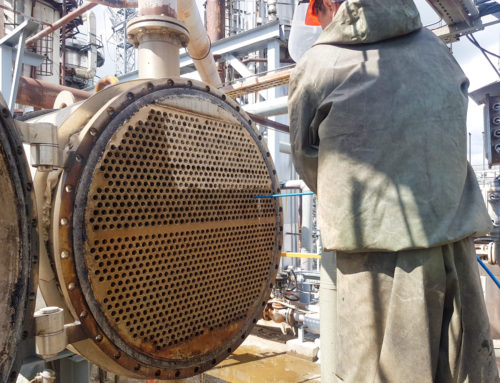
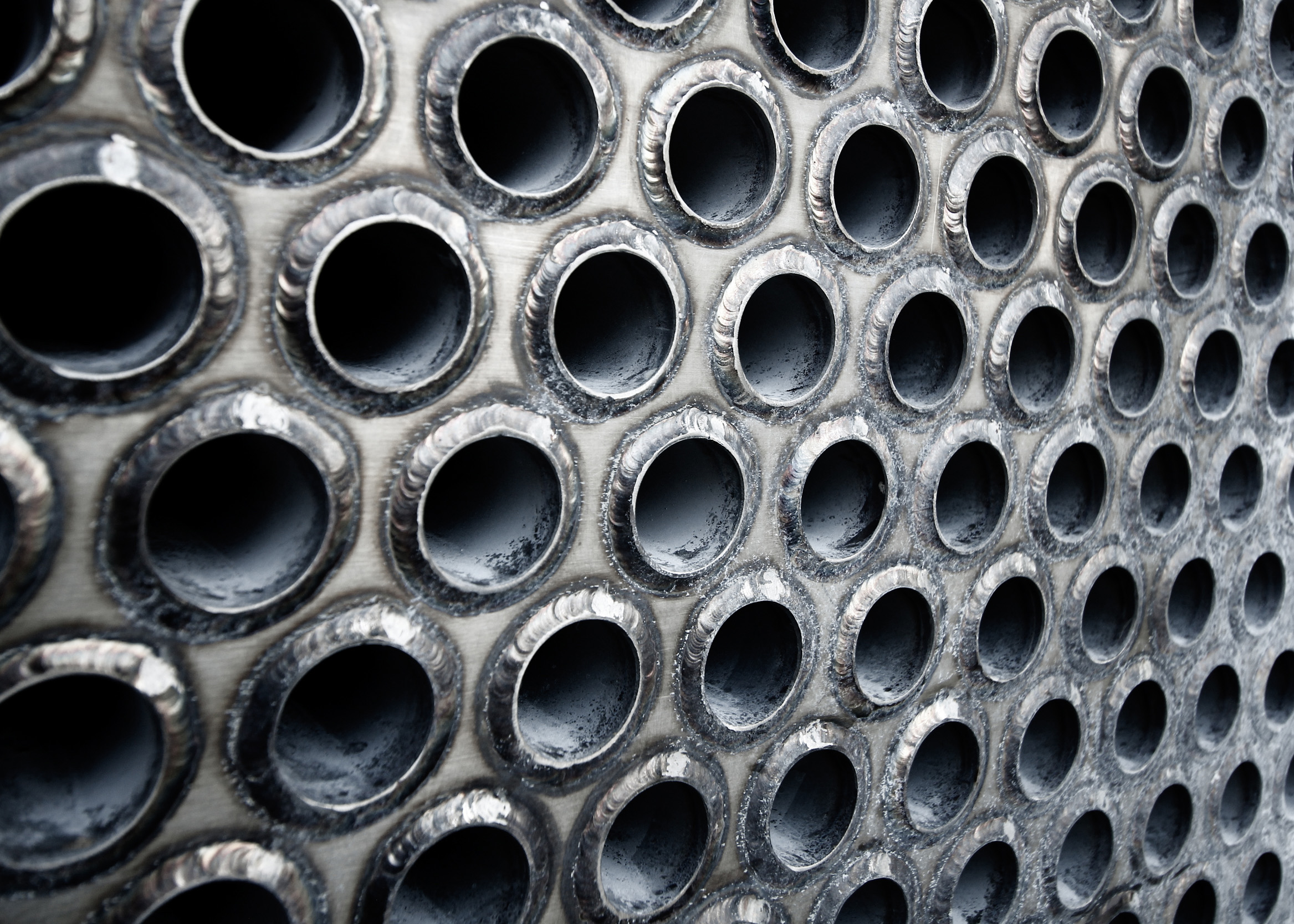
A strength weld is built by beveling the tubesheet inward, then filling that entire area so weld penetration extends into the tubesheet around the tube. The weld’s job is to protect the mechanical joint beneath it.
When you strength weld, tube expansion isn’t strictly required. Bringing the tube OD to the tubesheet ID — metal-to-metal contact — is sufficient for the weld to perform. The result is a leak-free mechanical joint reinforced by the surrounding weld.
The lifecycle of a welded tube
In fabrication and new-build applications, a tube with a strength weld goes through its full-service life: cleaned, tested, plugged where necessary, and eventually sent to a service shop. The question on the field service side is straightforward: how do you get those tubes back out?
The core challenge: welding hardens the material
A strength weld produces a harder surface and harder material at the joint. That hardness is what makes the joint reliable in service on heat exchangers and pressure vessels, and exactly what makes removal difficult
Strength weld removal: the right process
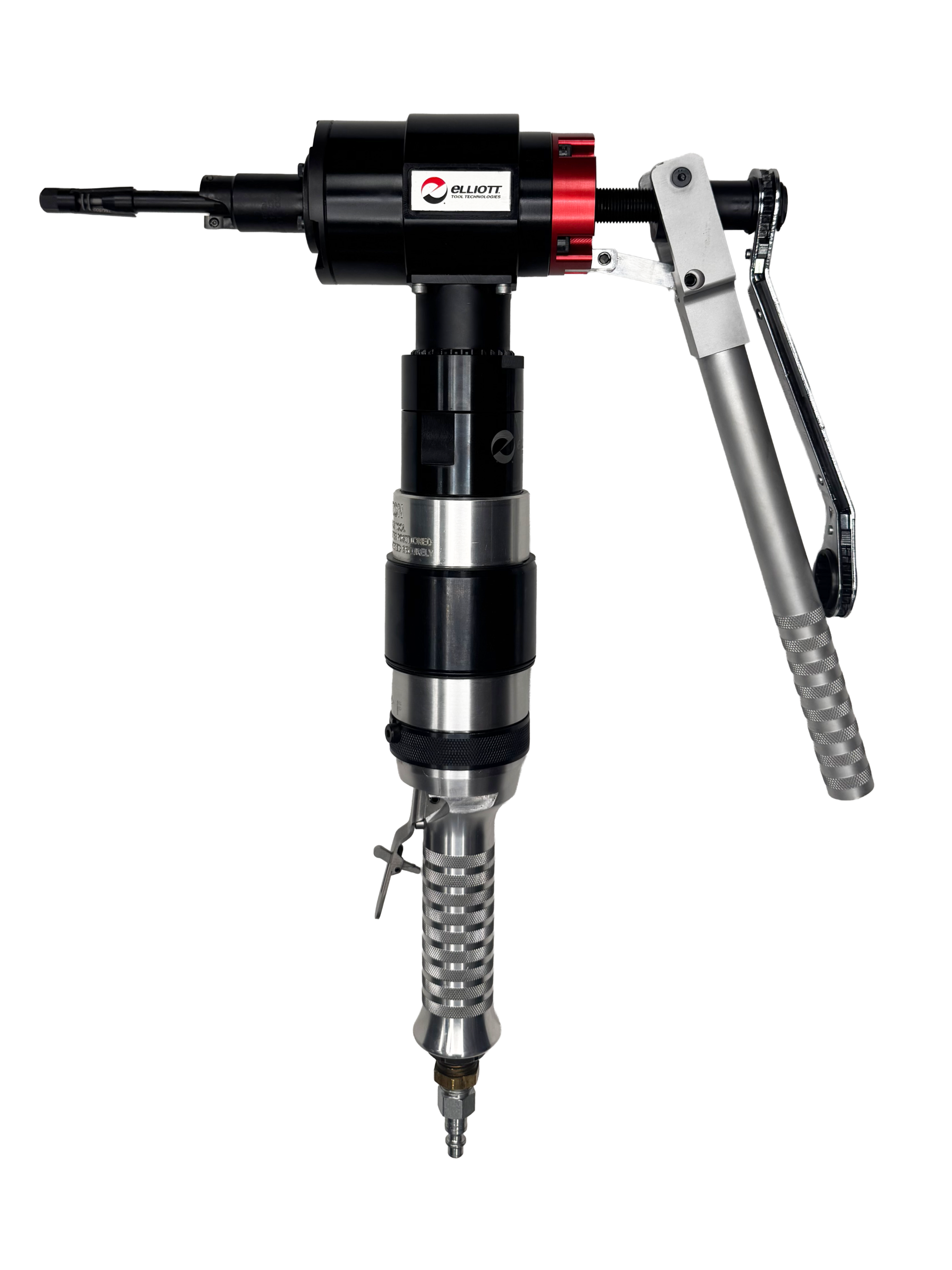
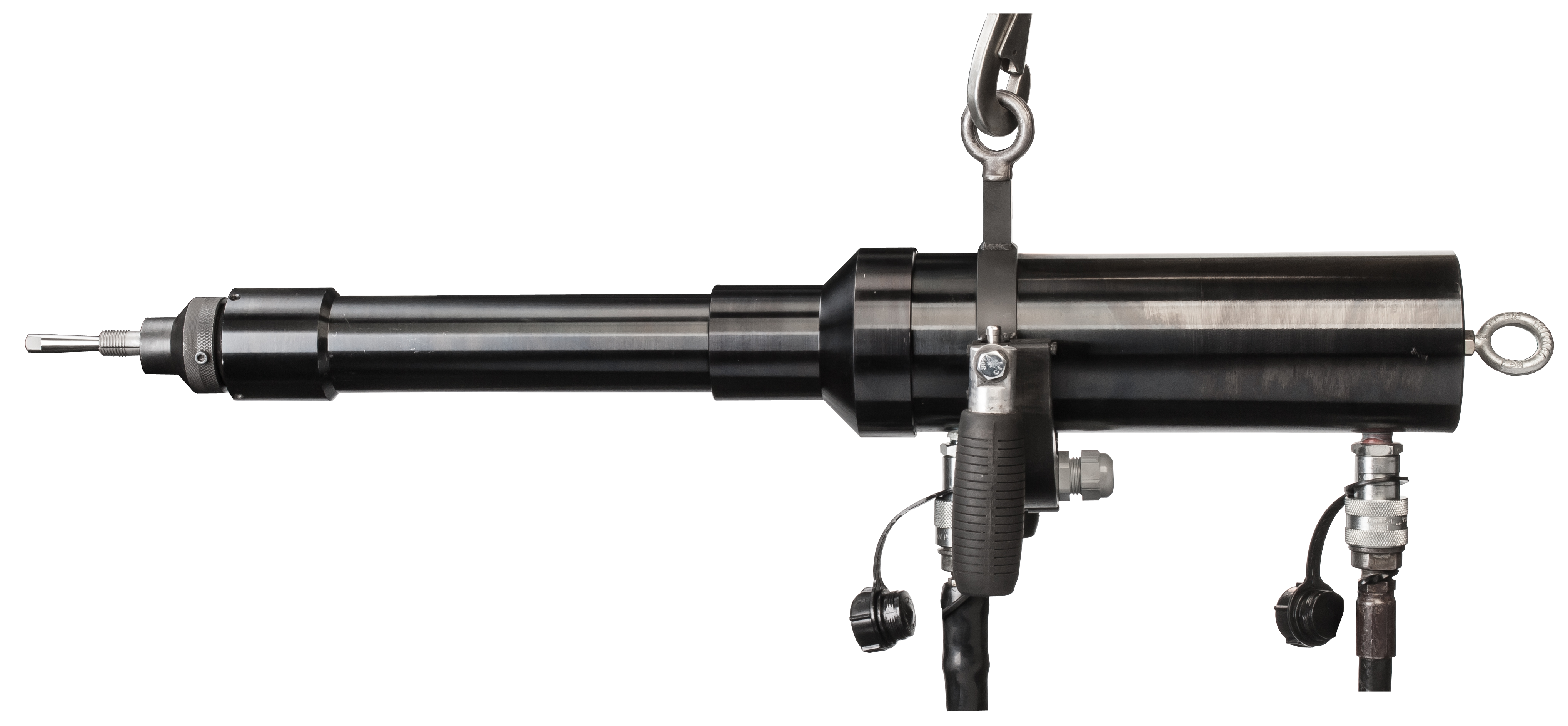
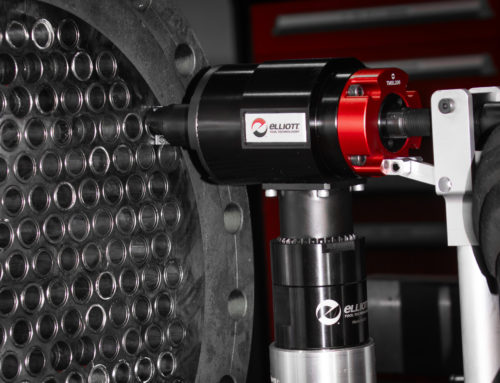
A weld removal tool mills the end of the weld until the tube sits flush with the tubesheet face. Once the weld material is cleared, the technician can come in with a puller (spear, collet, or whatever the shop prefers) and extract the tube cleanly. A well-equipped field service contractor arrives with three things: a weld removal tool, a pulling tool, and tube hole prep tools. That combination handles removal, hole prep, and tube trimming for the next weld.
A common mistake in the field
New contractors are surprisingly often unfamiliar with strength welds in tube-to-tubesheet joints. They try to yank the tube and assume it’ll come free. It won’t. They break spears. They break pullers. The weld is stronger than the puller, and the puller breaks before the joint does. There is no shortcut around the strength weld removal step, whether you’re working on a heat exchanger, a condenser, or any other welded vessel.
Welding processes: TIG and orbital
TIG welding has long been the standard for tube-to-tubesheet work, particularly in oil and gas applications. It’s widely available and gives the operator precise heat control for the materials and thicknesses involved. Orbital welding offers a different approach — it can deliver consistent, repeatable welds in the right application, but it comes with its own implementation challenges depending on the setup. Neither method is universal, and the right choice depends on the job.
Risks and pitfalls
The biggest risk in weld removal is going too deep. Understanding tube projection and what may be interfering with what you’re seeing is essential. If a job calls for ½” projection with a seal weld and you’re cutting into what looks like tubesheet material, stop. Don’t push through it.
You are milling the most expensive component in the vessel. Going too deep risks the corrosion allowance on the tubesheet, which has direct implications for vessel life.
Practical tip
If a tool is getting hot during the job, apply cutting lubricant. Simple, and easy to forget under pressure.