Coated Tube Cleaning: A Growing Challenge for Field Service Teams
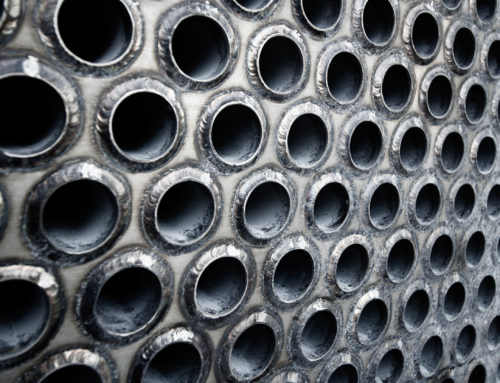
Coated pipes, tubes, and tube sheets are showing up more often in heat exchanger applications. Coated tube cleaning is becoming a bigger part of the maintenance conversation as a result. The coatings solve problems in service, but they create a new one in the shop. Someone still has to clean a tube without damaging a coating that was expensive to apply.
Why Coatings Are Used
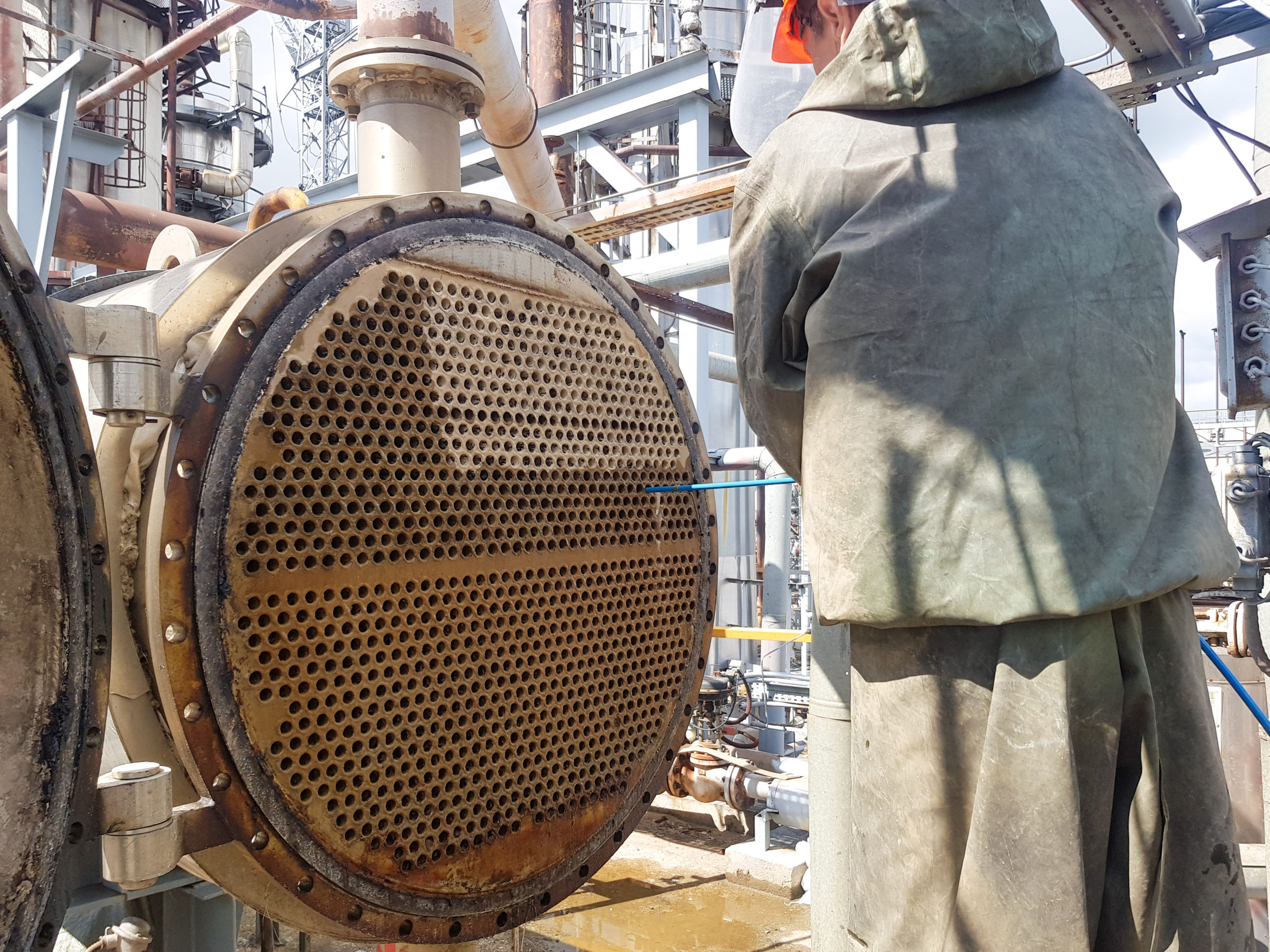
Coatings serve a specific purpose. They not only smooth the surface to reduce friction, but also protect the base metal from harsh process fluids or gases that could otherwise damage it. The result is a smoother, more corrosion-resistant surface. That’s why coatings are used on tubes and tube sheets in the first place.
These coatings aren’t cheap. That cost is part of what makes cleaning them correctly so important. Damage a coated tube during cleaning, and the shop isn’t replacing a standard tube. It’s replacing an engineered one.
Metallic vs. Ceramic Coatings
Coating material varies by application. Metallic and ceramic coatings are both common, and the cleaning approach must account for whichever one is on the tube. A method that works on a ceramic coating won’t necessarily work on a metallic one.
The Core Problem in Coated Tube Cleaning
The central question in coated tube cleaning is simple to state and hard to answer: what counts as clean? Deposits inside a coated tube can harden into a semi-block state. Removing that buildup without scratching or wearing through the coating is genuinely difficult. This comes up frequently on installations globally, where the volume of coated pipe in service has made the cleaning question more urgent.
Hydro blasting has become a more widely accepted cleaning method, but it isn’t a complete answer. It tends to leave a thin film behind in the tube. Whether that’s acceptable depends on how the operator or authorized inspector defines clean. If the film doesn’t meet that standard, mechanical options exist too, like running an expanding brush head down the tube.
Why Protecting the Coating Matters
Heat Transfer and Corrosion
Part of what raises the stakes is the role the coating plays in protecting the tube. Coated tubes still perform the same thermal work. Heat exchange happens across the coated surface the same way it happens on a bare tube. But the bigger reason for the coating is corrosion resistance. Protecting the base metal from the process fluid matters more than the coating’s marginal effect on heat transfer.
Extending Coating Life
A few methods extend coating life. Heavier tube walls give the coating more base material to work with. Cladding the tube sheet is another option. For example, a chrome-moly tube sheet might carry an Inconel cladding over the base material. The cladding protects against corrosion at the tube sheet face. That doesn’t change the cleaning process much, but it does affect the tooling used to install and remove tubes. For the tubes themselves, however, someone still has to eventually clean the specialty coating from the inside. Cleaning it without causing damage remains the harder problem.
Tooling Choices for Coated Tube Cleaning
Brush Selection for Coated Tubes
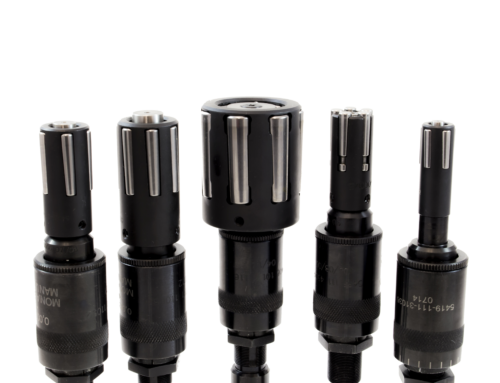
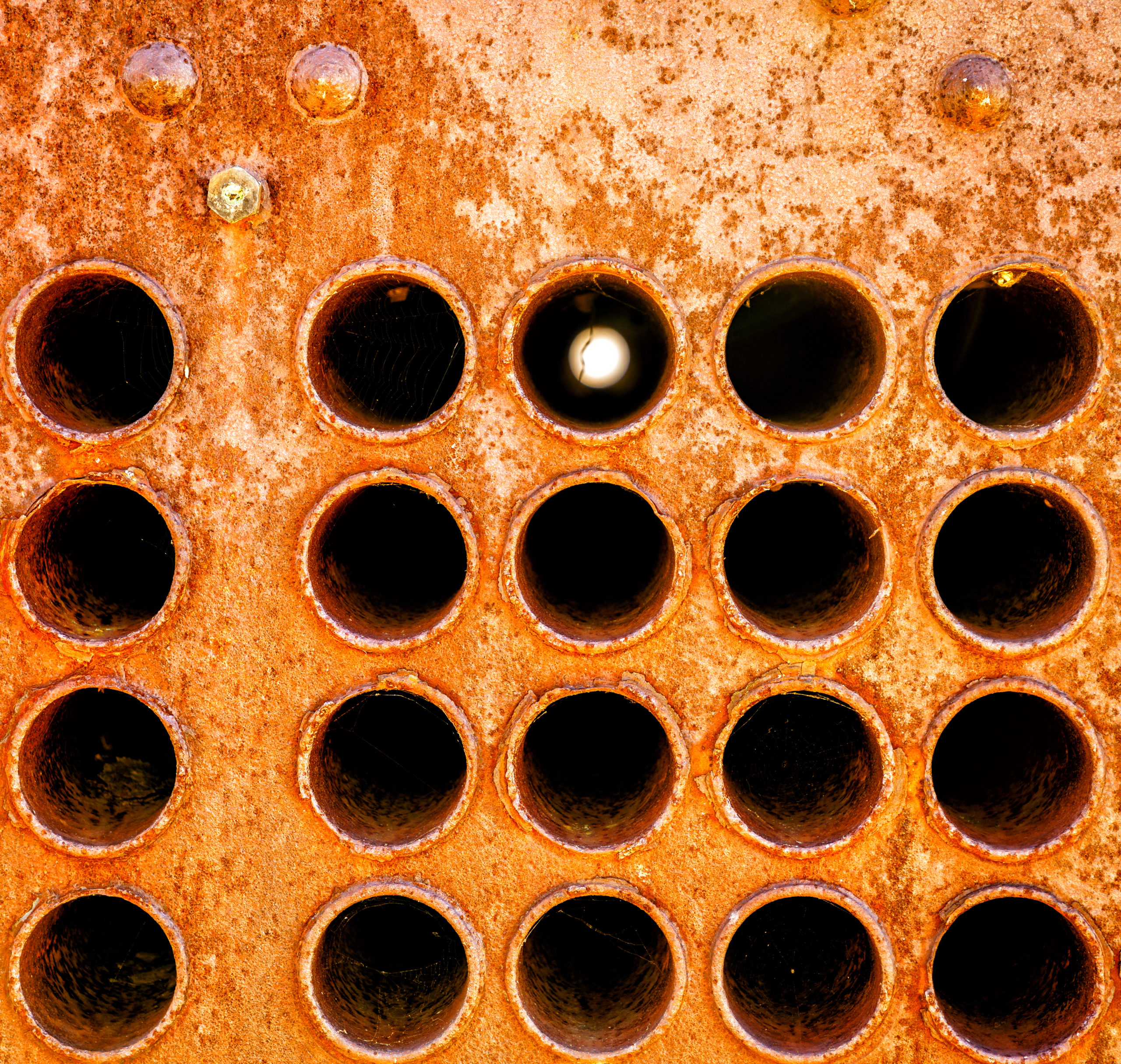
For coated tube cleaning, a neutral brush is the safer default. Turbo series brushes are the standard recommendation because their plastic construction eliminates the cross-contamination risk associated with metal brush material. That’s assuming the brush can cut through the debris. Scratching a coated tube isn’t just a cosmetic problem. A scratch could expose bare metal. That exposed metal can rust and lead to galvanic corrosion where the bare metal and tube side media meet.
Plug Selection for Coated Tube Sheets
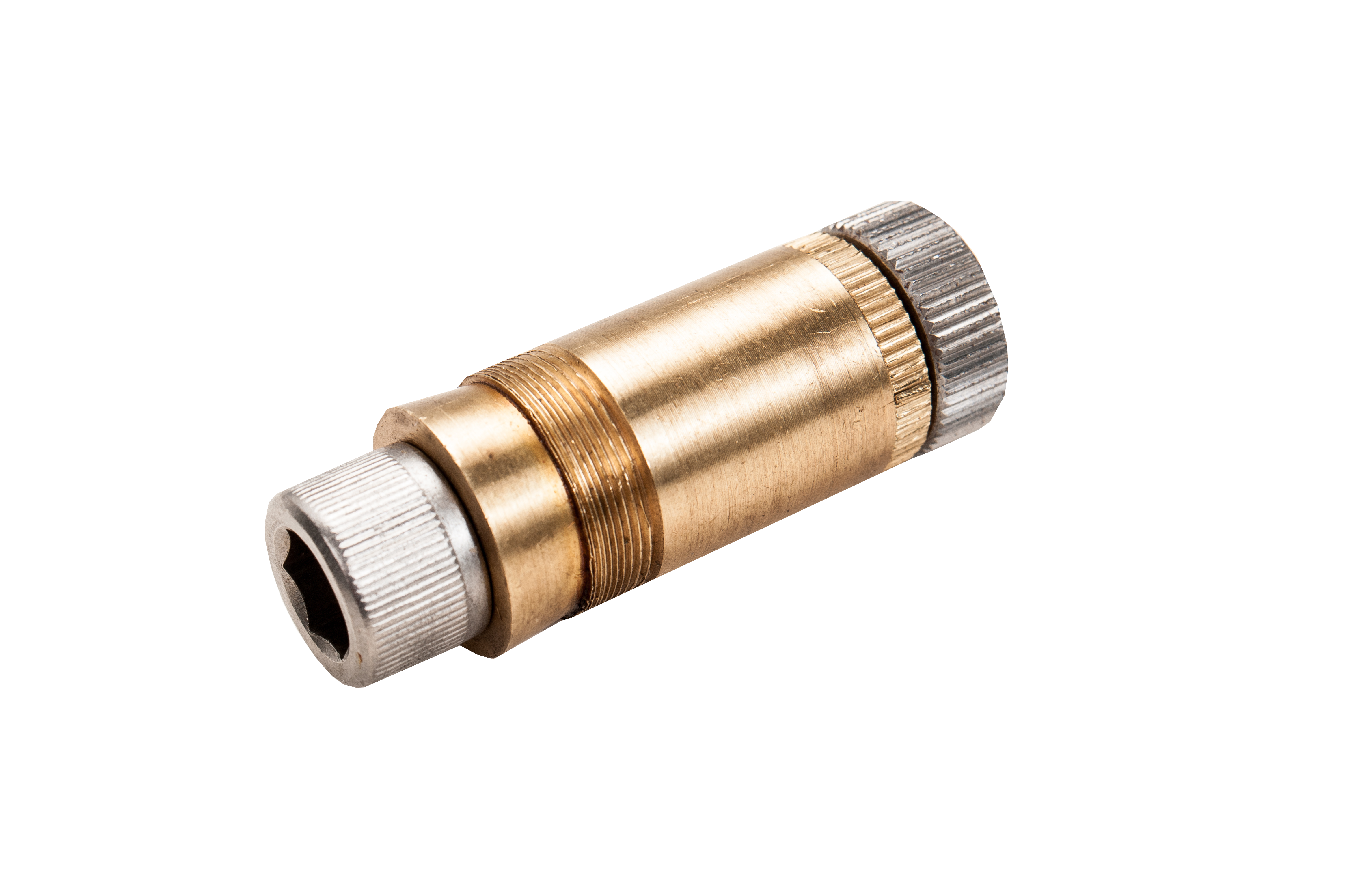
When technicians perform plugging work on a coated or clad tube sheet, they still treat it as a tube sheet. The priority is avoiding damage to the surface. That caution extends to plug selection. One-piece and two-piece plugs carry more impact risk during installation. Mechanical plugs are the better choice on coated tube sheets since they don’t introduce that risk.
Expander Contact Points on Coated Tubes
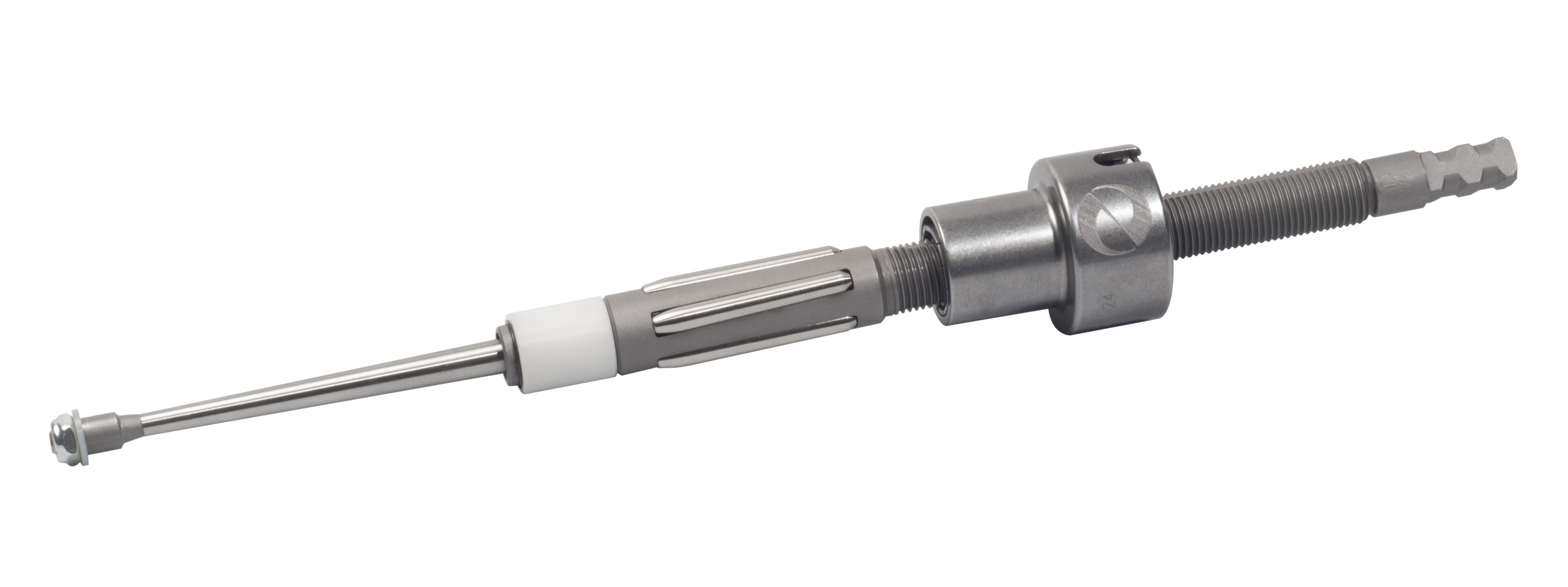
Expanders add another wrinkle. The nose typically cannot engage the tube surface directly. The body of the expander contacts the tube ID as it turns and can sometimes leave a mark. On coated tubes, that contact point matters more than it does on bare ones. Using a nylon piloted expander instead of metal helps prevent the marks a metal surface would otherwise leave behind.
Tube Sheet Cladding Considerations
Cleaning Clad Tube Sheets
Cladding on a tube sheet doesn’t create the same cleaning problem that coated tubes do. Technicians treat it like the front face of the tube sheet, so normal cleaning involves little direct contact with it. When the cladding is a specialty material, the approach shifts. Technicians use a dry or wet flush, depending on what the coating requires.
Cladding and Strength Welds
Cladding is a secondary operation. Manufacturers apply it after they finish the tube sheet, and it ties directly into strength welds. Removing a tube from a clad tube sheet typically removes the strength weld that joins the tube end, tube sheet and cladding together. After freeing the tube, technicians re-add the strength weld once it’s back in place.
Defining Clean: The Path to a Successful Repair
Every coated tube job begins with one question: What does the customer consider clean? Once the customer defines that acceptance criteria, Elliott determines whether the right tooling and process can achieve it. Maintenance teams select tools that minimize coating damage while meeting the required standard. The right tooling reduces unnecessary rework and supports a successful repair.