Refinery Summer Turnarounds
A Guide to Preventative Maintenance and Planning During Summer Shutdowns
Summer refinery turnarounds share the same fundamentals as any planned shutdown, but the seasonal context adds two layers of pressure that other windows don’t carry: peak fuel demand and heat. Understanding how those factors interact with the critical path, inspection schedule, and vendor logistics is what separates a clean restart from a costly overrun.

Strategic Planning and the Critical Path
The success of a summer refinery turnaround depends on planning that starts well before the unit comes down, with a clear-eyed view of what summer specifically means for the schedule.
- Critical path and critical vessels: Before the shutdown begins, identify the sequence of tasks that directly controls the overall duration of the turnaround. Within that sequence, flag the critical vessels or equipment whose failure or delay has the greatest impact on production. Every scheduling decision downstream flows from those two things.
- Parts and logistics: Ensure spare parts for all critical-path vessels are on hand before the turnaround begins. Procurement and maintenance need to coordinate early. Summer supply chains tend to move slower than planners expect, and a missing part discovered mid-outage can quickly derail the refinery turnaround schedule.
- Resource and crew planning: Coordinate contractor schedules, staffing levels, and equipment rentals well in advance. Summer adds a layer here: heat-related productivity drag across a large crew is a real schedule variable, not a footnote. Plan for extra breaks, hydration logistics, and the overhead that comes with managing a crew in high-temperature conditions.
- Demand pressure: Travel season drives higher gasoline and jet fuel consumption. Refineries face pressure to bring units back online as soon as the outage closes, which leaves little flexibility in the schedule. Build that into the plan from day one.
Heat Exchanger and Air Cooler PM Checklist
Preventative maintenance for heat exchangers and air coolers follows the same core sequence during refinery turnarounds regardless of season: cleaning, inspection, non-destructive testing, and final performance verification. Summer adds operational context to each step.
Air Coolers: Inspection and Cleaning
- Cleaning: Air cooler fins accumulate dust, debris, and oily residue over time. A thorough cleaning to clear the exterior fins is the baseline step for restoring heat transfer efficiency. In summer, air coolers work harder than at any other point in the year, so entering the season with fouled fins carries a direct efficiency penalty.
- Mechanical inspection: Check motors, fans, and drive components. Vibration testing on fans and motors will identify misalignment or imbalance before restart. Finding these issues during the outage is far less costly than repairing them after the unit returns to service.
- Structural integrity: Inspect and tighten all fasteners. Check headers, channels, and header plugs for corrosion or damage. Replace any loose or compromised component before returning the unit to service.
Shell and Tube Bundles: Inspection, Cleaning, and Testing
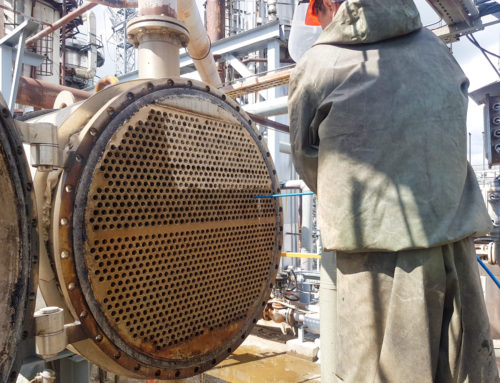
- Internal inspection: Once the bundle is pulled, inspect tubes for corrosion, erosion, or signs of leakage. Check channels and headers for pitting or cracking. Misaligned or bent tubes indicate mechanical stress, so document and address them.
- Performance baseline and cleaning: If a performance test was run before the shutdown, use it as the benchmark. Efficiency shortfalls almost always point to fouling. Mechanical or chemical cleaning restores thermal efficiency and provides a clean starting point for the next run.
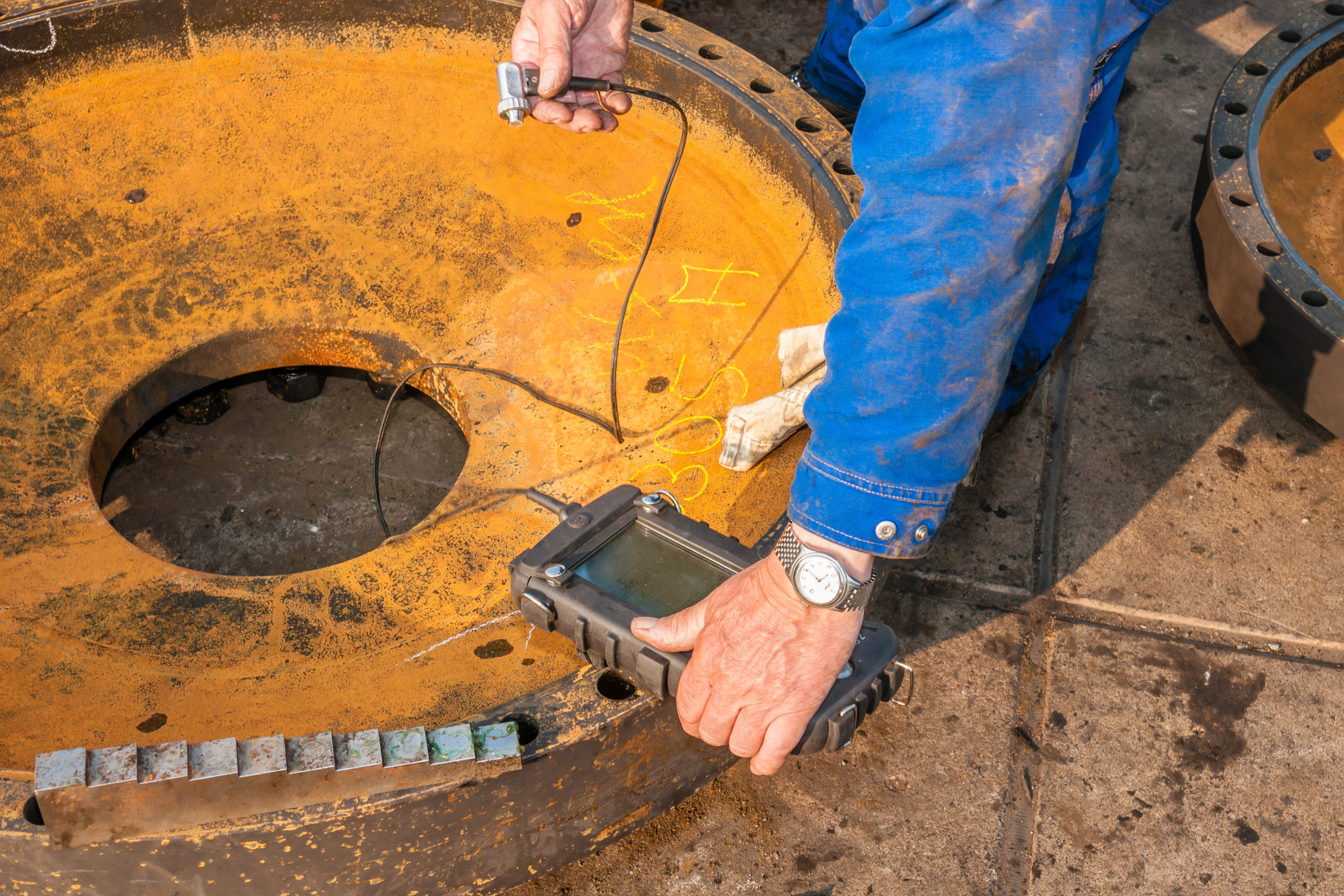
- Non-destructive testing: Run eddy current testing (ECT) or other applicable NDT methods on the tube bundle to identify and size defects such as cracks and wall thinning. Unscheduled scope expansion is one of the biggest schedule risks in summer refinery turnarounds. A thorough NDT pass is the most reliable way to surface problems before they surface on their own mid-outage.
- Plugging: If testing reveals a leaky or severely damaged tube, plug both ends to isolate it from the process stream. Although plugging reduces heat transfer area, it provides a cost-effective way to restore service safely while preparations for a permanent repair continue.
Non-destructive Tube Wall Testing
Scheduled Inspections vs. What You Find in the Field
Every refinery turnaround has two inspection tiers. Scheduled tests, including hydros, NDT, and planned inspections written into the work package, are on the critical path and accounted for. Unscheduled tests are where summer turnarounds get into trouble.
When inspections reveal wall thinning past spec, previously unidentified cracks, or fouling that points to a deeper problem, the scope expands mid-outage. The best planners build float into the schedule for exactly this scenario. Vendors and contractors already on site when an unscheduled finding surfaces can respond immediately. Those not on site wait for a phone call.
Performance Verification
After cleaning and repairs are complete, performance test the unit before restart where possible. At minimum, verify its performance immediately upon restart. This step provides quantitative data on the maintenance work and sets a baseline for monitoring through the next run cycle.
For summer specifically, confirming thermal performance before peak demand arrives is worth the extra time. A unit returning to service with degraded performance in July operates at a deficit when demand is at its highest.
When Your Turnaround Can’t Wait for September
September tends to be the cleanest window for refinery turnarounds. Travel demand has eased, weather is mild, and neither heat productivity drag nor freeze risk affects the schedule. Most planners choose it when the maintenance cycle allows.
When a regulatory requirement, capital schedule, or equipment condition forces a summer window, the seasonal risks don’t disappear. They become planning assumptions. Plan for heat management, demand-side schedule pressure, and the higher probability of weather-driven complications from the start rather than reacting to them later.
Planning Starts Earlier Than Most Vendors Expect
Planning for the 2030 turnaround is already underway. By this stage, planners have budgeted capital, defined the scope, identified long-lead items, and compiled vendor lists.
Well before the RFQ, planners decide who to consider, which specifications to include in planning documents, and who to call when unscheduled work surfaces. Vendor relationship-building in refinery turnaround planning runs on planning horizons, not procurement cycles. For summer turnarounds specifically, planners look for vendors with a demonstrated track record in that environment.
Planning a Summer Turnaround?
Contact the team at Elliott Tool Technologies while you are planning your next shutdown to get a custom quote for all of your tooling needs. Our team is available to assist throughout the planning process.