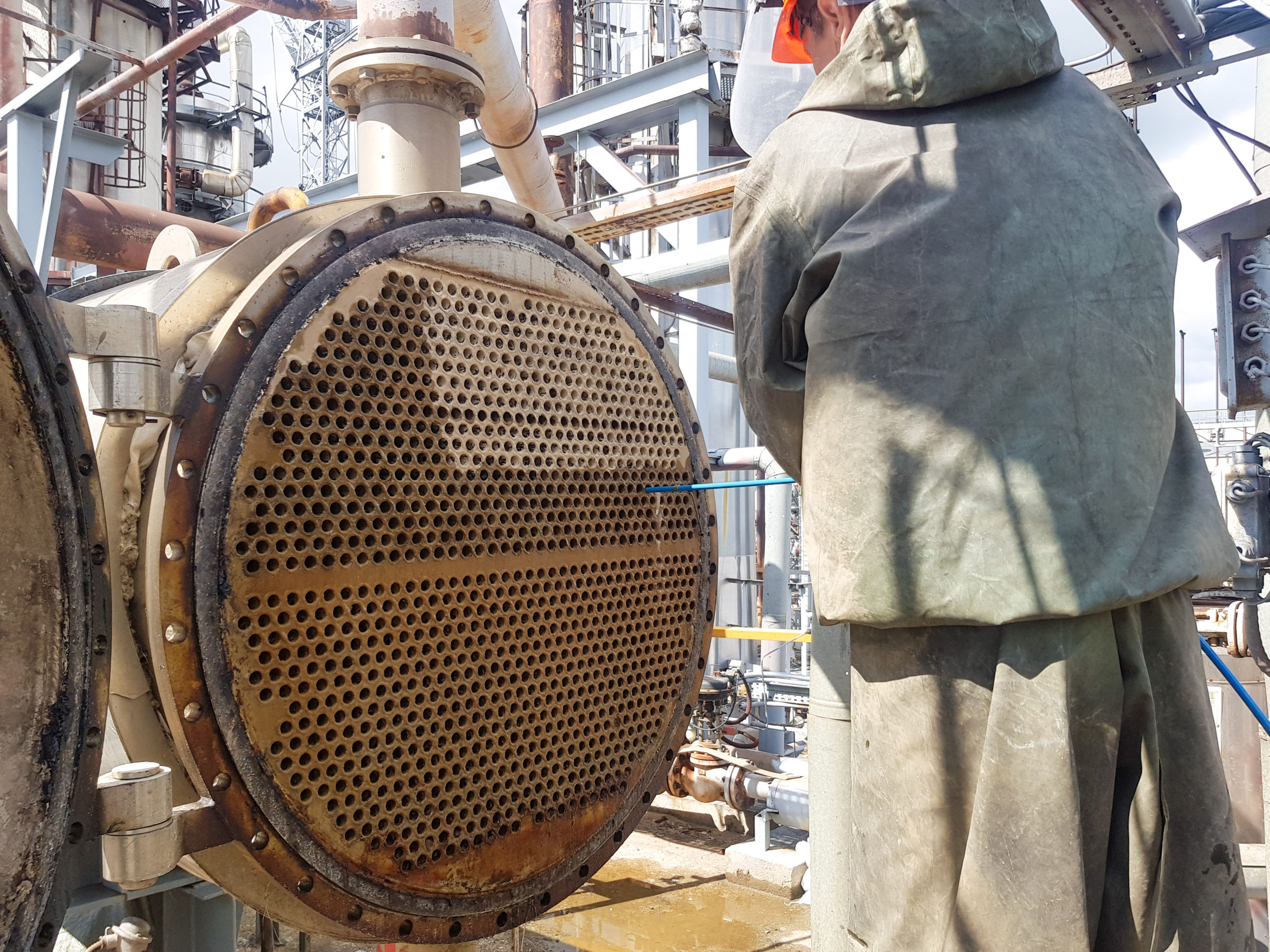
Refinery Summer Turnarounds
June Nguyen2026-07-13T14:56:04-05:00Summer refinery turnarounds carry pressures that other windows don't. Here's what planners and maintenance teams need to know about scheduling, heat risk, and timing.
Summer refinery turnarounds carry pressures that other windows don't. Here's what planners and maintenance teams need to know about scheduling, heat risk, and timing.
Data center chiller tube cleaning has shifted from an annual task to a near-continuous reliability program as AI workloads push utilization higher.
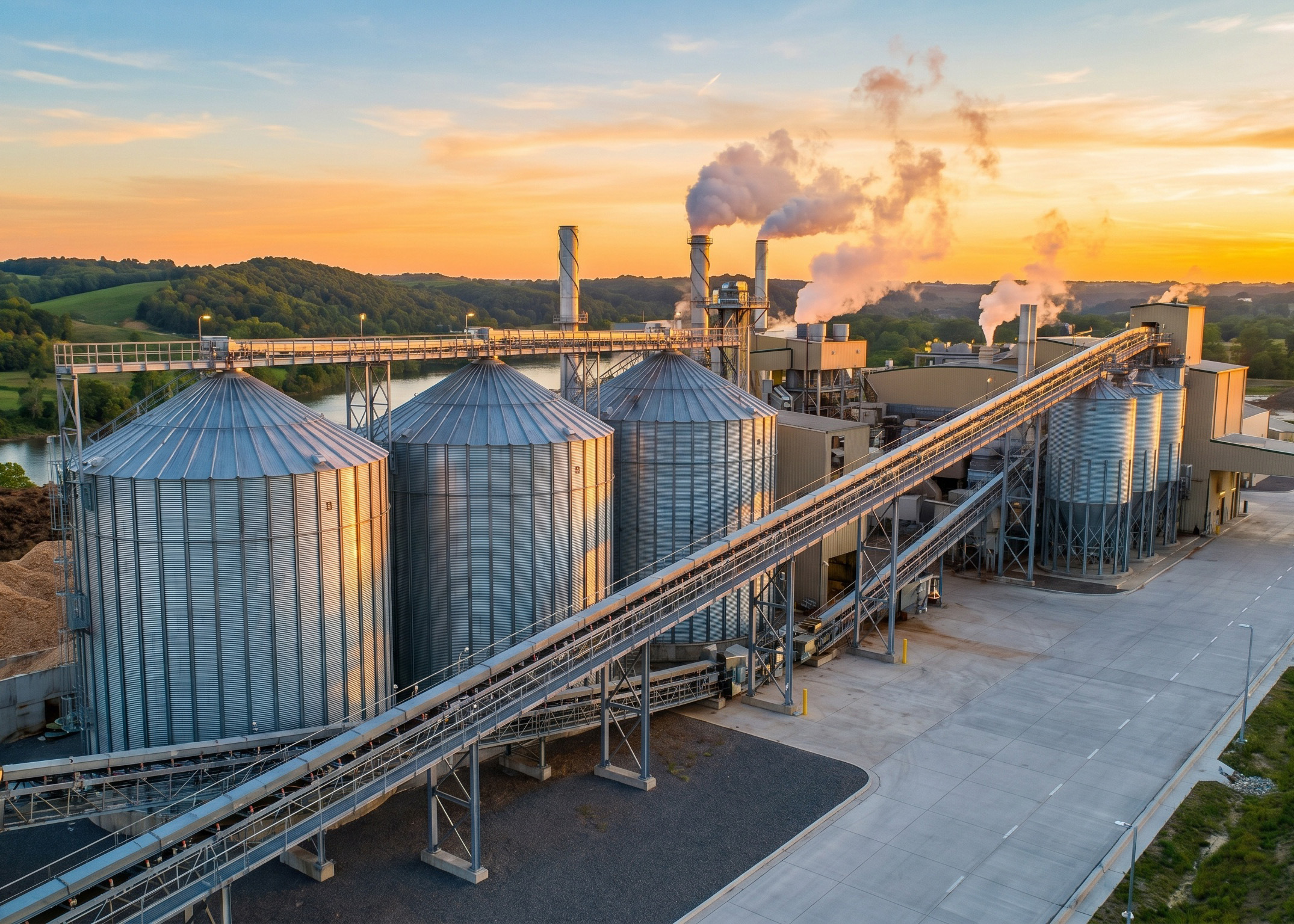
As fuel sources shift toward biomass and alternative energy, boiler deposits change too. Here's what plant operators and maintenance technicians need to know about keeping heat exchangers clean.
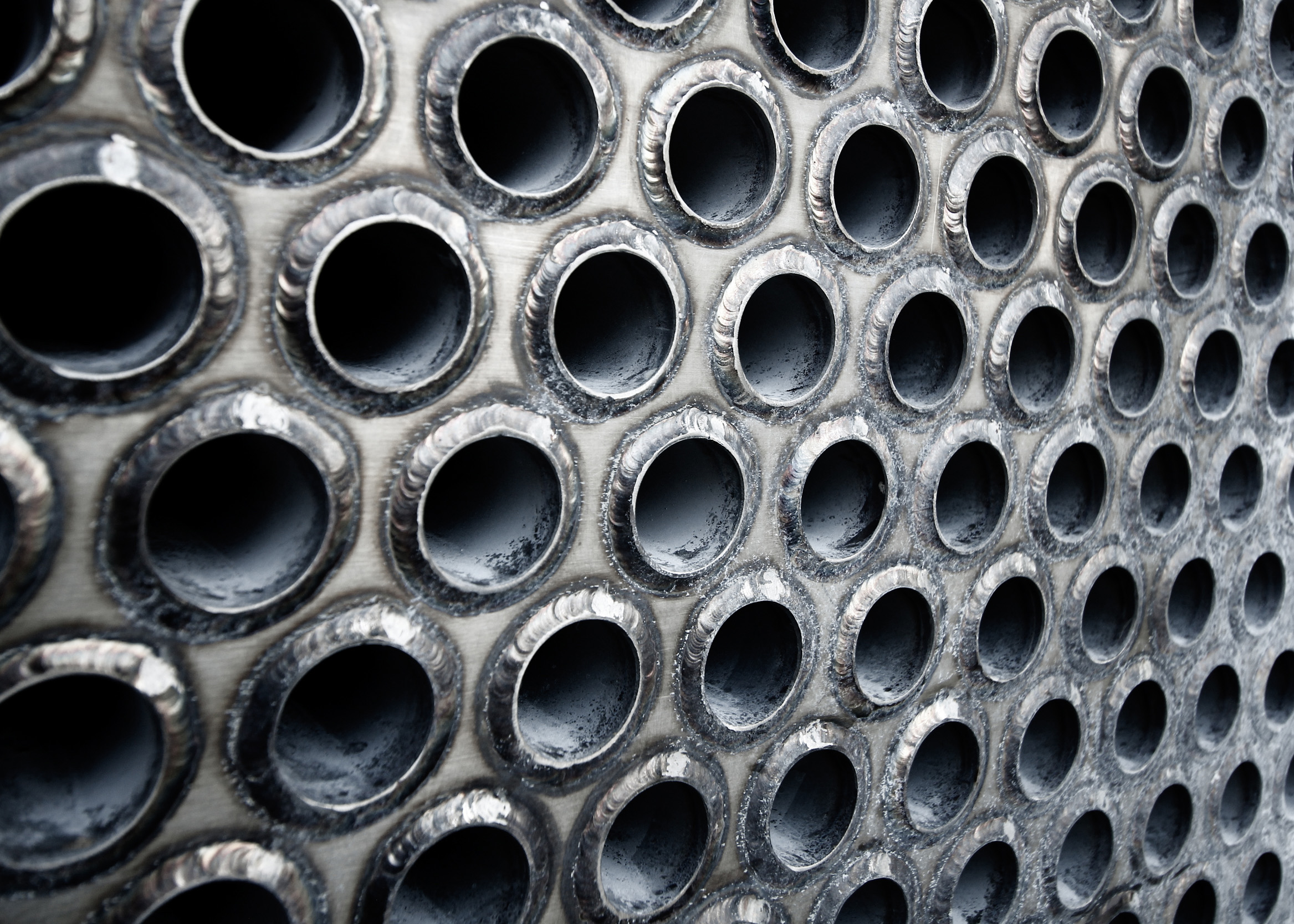
Welded tube-to-tubesheet joints present unique removal and maintenance challenges in the field — here's what contractors need to know about proper tooling and technique.
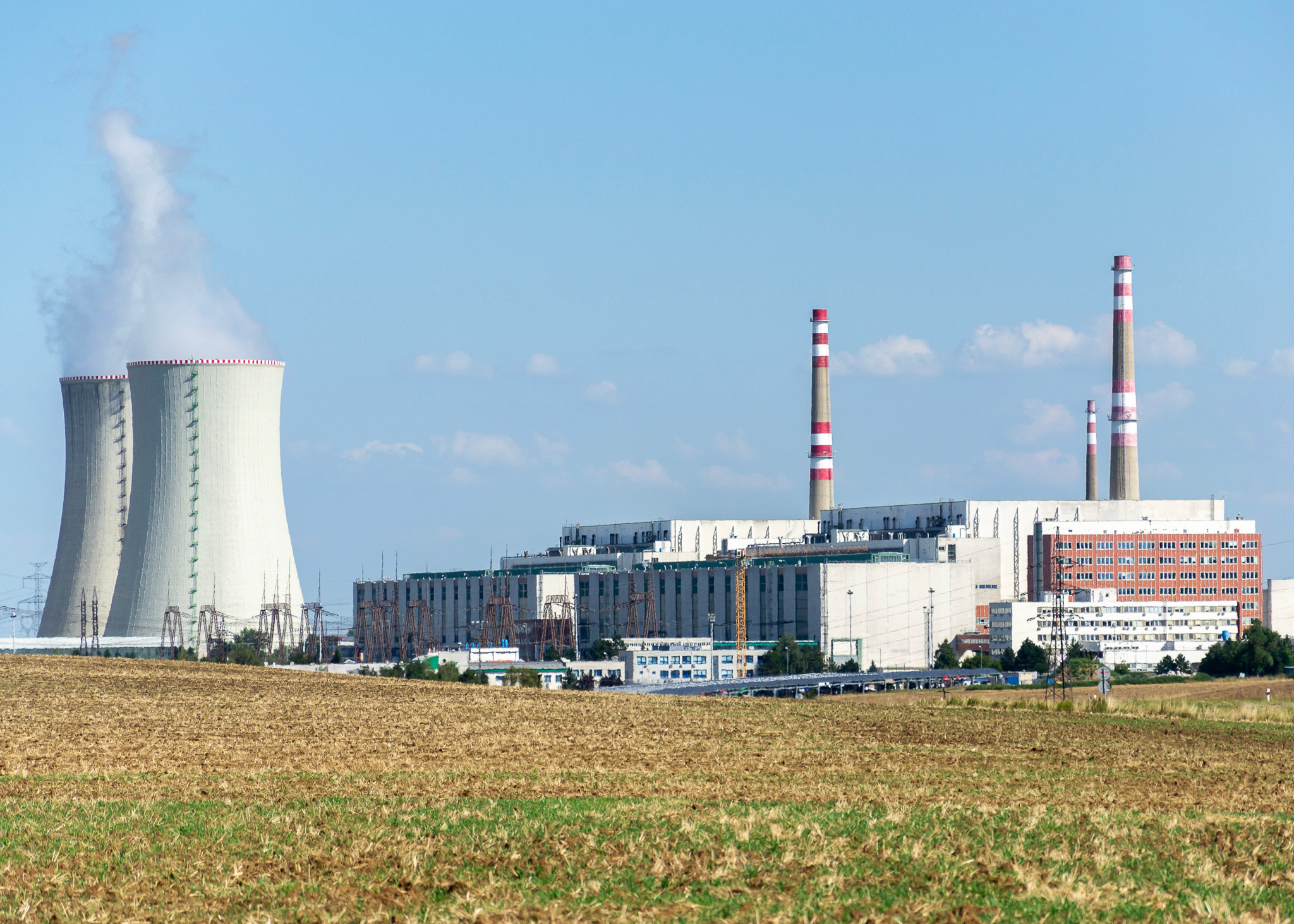
In nuclear heat exchanger applications, there isn't much room for improvisation. The materials are expensive, the access constraints are significant, and mistakes are hard to correct in the field. This article covers what makes sleeve expansion in these settings different and what to account for before tooling is ever specified.
"Header" and "channel" get used interchangeably on job sites, but they describe fundamentally different configurations that require different tooling strategies. Here's how to tell them apart and what each one means for your next job.
Learn how to install tubes in a U-tube heat exchanger. Manage tube projection, avoid over-rolling, and protect your bundle long-term.
Sharp tube inlets cause turbulence and erosion. Condenser tube flaring creates smoother flow, protects inlets, and extends the life of your heat transfer system.
A focused strategy for air cool maintenance that emphasizes proper tooling selection, reliable leak testing, and correct tube plugging methods is essential for maintaining performance and minimizing downtime.
As the seasons change, many industrial facilities gear up for essential winter shutdowns. These planned maintenance periods, which can span from a week to several months depending on the plant's size and complexity, are crucial for ensuring the reliability, efficiency, and safety of operations for the coming year. A well-executed shutdown plan is key to minimizing downtime and preventing catastrophic failures.