U-Tube Heat Exchanger: Tube Preparation, Projection, and Expansion
Taceana Zelaya2026-04-16T07:54:27-05:00Learn how to install tubes in a U-tube heat exchanger. Manage tube projection, avoid over-rolling, and protect your bundle long-term.
Learn how to install tubes in a U-tube heat exchanger. Manage tube projection, avoid over-rolling, and protect your bundle long-term.
Sharp tube inlets cause turbulence and erosion. Condenser tube flaring creates smoother flow, protects inlets, and extends the life of your heat transfer system.
A focused strategy for air cool maintenance that emphasizes proper tooling selection, reliable leak testing, and correct tube plugging methods is essential for maintaining performance and minimizing downtime.
As the seasons change, many industrial facilities gear up for essential winter shutdowns. These planned maintenance periods, which can span from a week to several months depending on the plant's size and complexity, are crucial for ensuring the reliability, efficiency, and safety of operations for the coming year. A well-executed shutdown plan is key to minimizing downtime and preventing catastrophic failures.
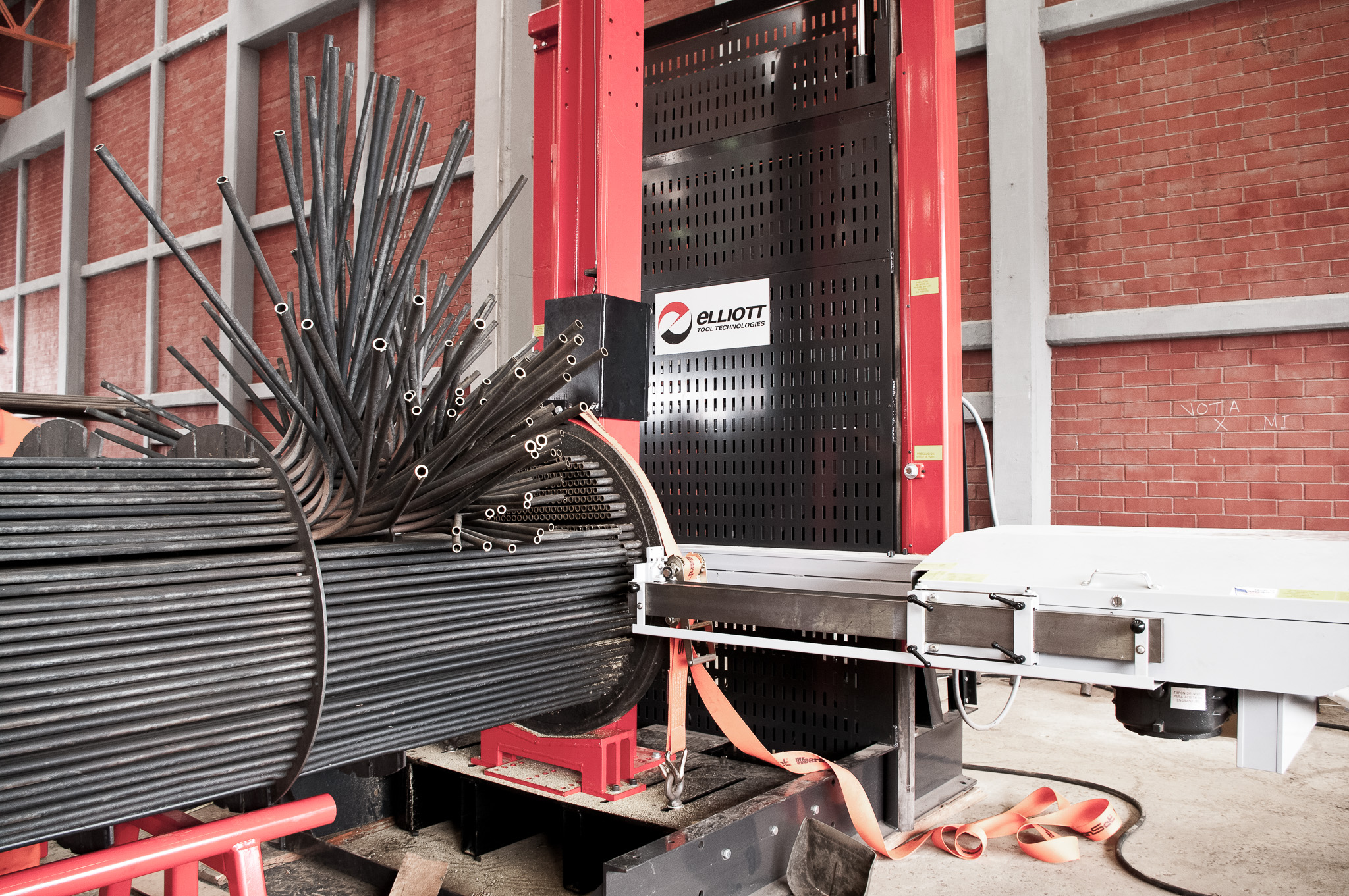
For fabrication shops with large, recurring workloads, the time needed to retube a heat exchanger is a constant drag on productivity. Manual methods of tube removal are time-consuming and labor-intensive, often stretching projects out over multiple weeks. One way to reduce job time is by using a tube bundle cutter or bundle saw. This can dramatically speed up the retubing process, offering significant benefits in terms of time, safety, and ultimately, cost savings.
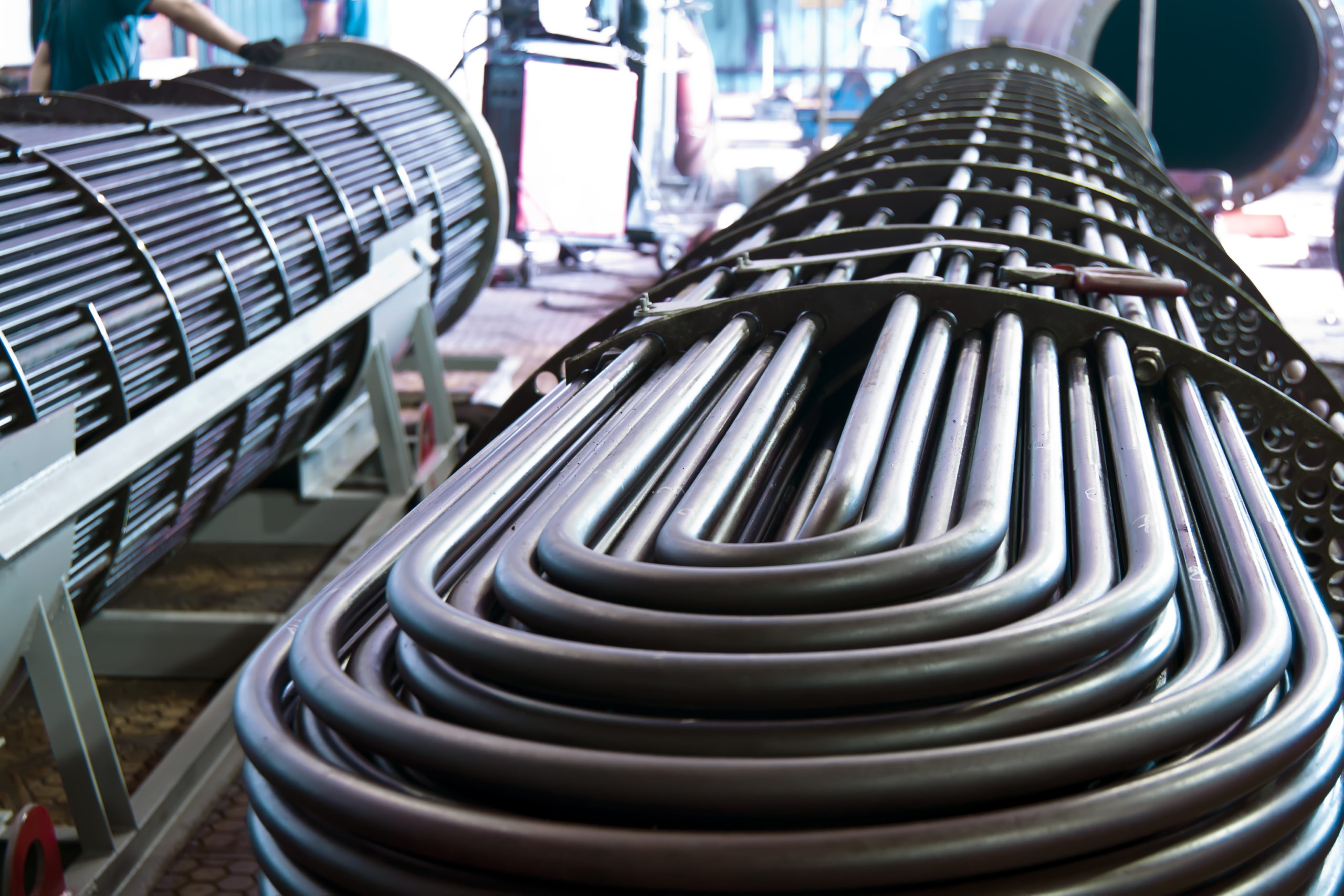
Cleaning curved heat exchanger and boiler tubes presents a unique set of challenges compared to straight tube cleaning. The presence of bends requires careful consideration of tooling, technique, and tube material to ensure effective and safe cleaning. While the goal is always to achieve a completely clear tube, the success of the cleaning operation often depends on a balance between removing deposits and preventing damage to the tube itself.
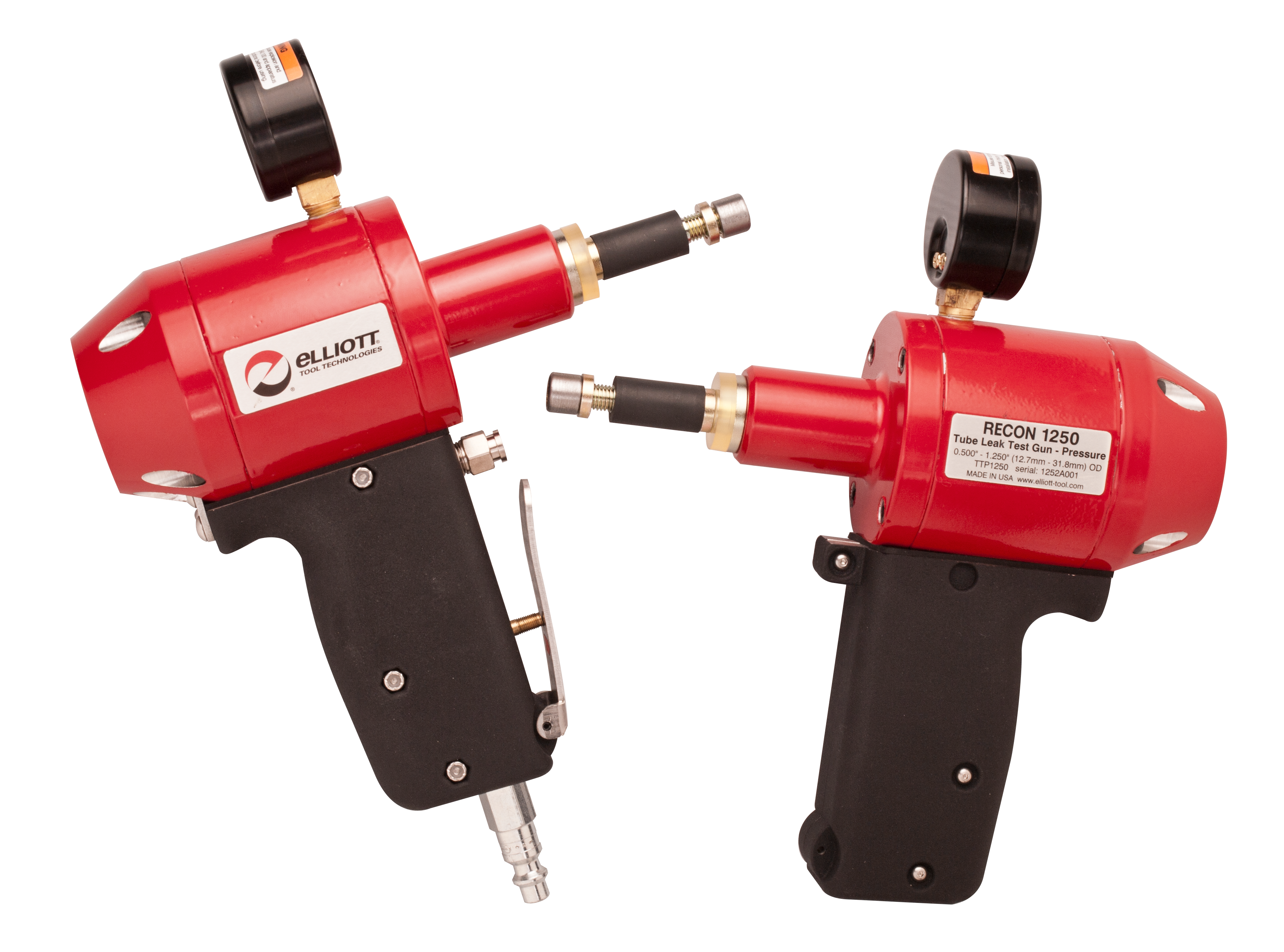
Tube leak testing is a routine practice in heat exchanger maintenance, with handheld test equipment offering a cost-effective and user-friendly solution. Elliott's RECON series tube leak test guns are popular choices for their effectiveness. Understanding the fundamental principles of these devices and recognizing common troubleshooting points can ensure minimal downtime and consistent, accurate results. This guide will delve into the specifics of troubleshooting both the RECON vacuum and pressure-style test guns, along with general best practices for optimal performance.
Navigating the challenge of unknown deposits in heat exchange equipment can be daunting. From shell and tube heat exchangers to air coolers and boilers, each system presents unique cleaning considerations. Being prepared is key to efficiently and effectively removing these deposits, minimizing downtime, and extending the lifespan of your equipment.
Shell and tube heat exchangers are workhorses in countless industrial processes, facilitating efficient heat transfer. However, like any critical equipment, they’re susceptible to wear and tear over time. From erosion and corrosion to vibration and fatigue, various factors can lead to tube damage, compromising the exchanger's performance and potentially leading to costly downtime. Fortunately, a range of repair methods exists, offering solutions depending on the severity and type of damage. Understanding these options is crucial for effective maintenance and maximizing the lifespan of these units.
Heat exchangers are workhorses in countless industrial processes, facilitating crucial heat transfer operations. However, their critical function is often jeopardized by tube failures, leading to reduced efficiency, increased operational costs, and potential safety hazards. Understanding the reason behind these failures is essential for proactive maintenance and ensuring reliable operation.