Identifying Tool Wear and Replacing Rolls
& Mandrels for Burnishing Tools
Burnishing tool wear can begin affecting surface finish and part consistency well before the tool fails completely. Recognizing the early signs of wear and replacing the right components at the right time keeps parts within specification and reduces unexpected downtime. This article explains how to identify common signs of burnishing tool wear and when to replace rolls and mandrels.
Signs of Burnishing Tool Wear
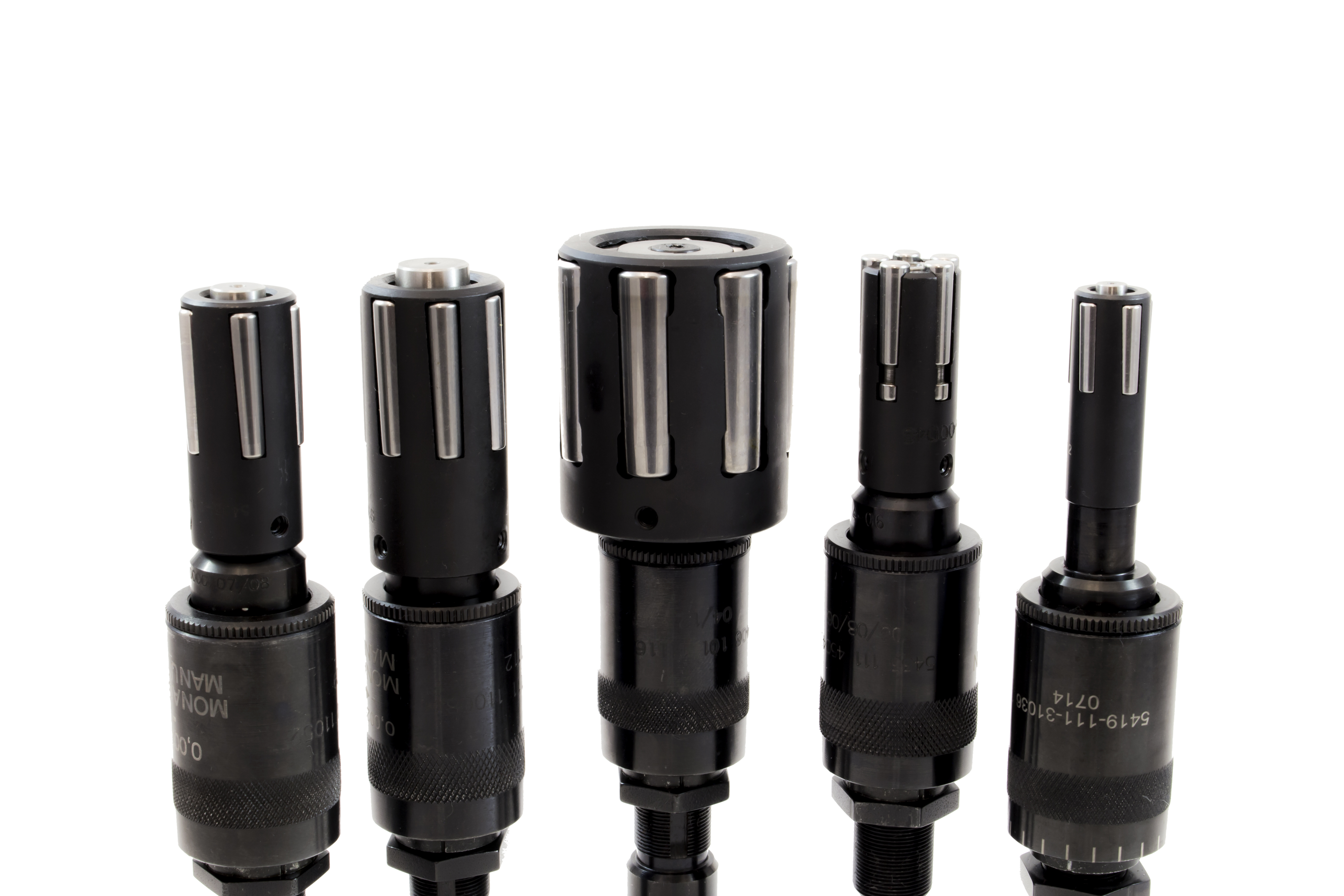
One of the first signs of burnishing tool wear is a change in surface finish, which may become cloudy or hazy. Pitting or small divots on the roll surfaces can transfer imperfections to the bore, while flat spots on the rolls are another clear sign of wear or damage. On multi-roll tools, especially ID burnishing tools, inconsistent sizing or size float can indicate that the rolls are breaking down.
What Affects Burnishing Tool Life
Material and Lubrication Factors
Material type and hardness have a major effect on tool life because they determine how much force the process needs to deform the surface. Lubrication and coolant condition also play a role. Inadequate lubrication increases friction and heat, while poor filtration allows abrasive particles to remain in circulation and accelerate wear on the rolls and mandrel.
Stock Allowance and Setup Factors
Stock allowance, or the amount of interference the tool is asked to work, also affects wear. Excessive stock allowance increases rolling pressure and loading on the tool, which can shorten component life. Feed, speed, setup rigidity, and starting surface condition can further influence how quickly wear develops.
When to Replace Burnishing Tool Components
Replacing the Rolls
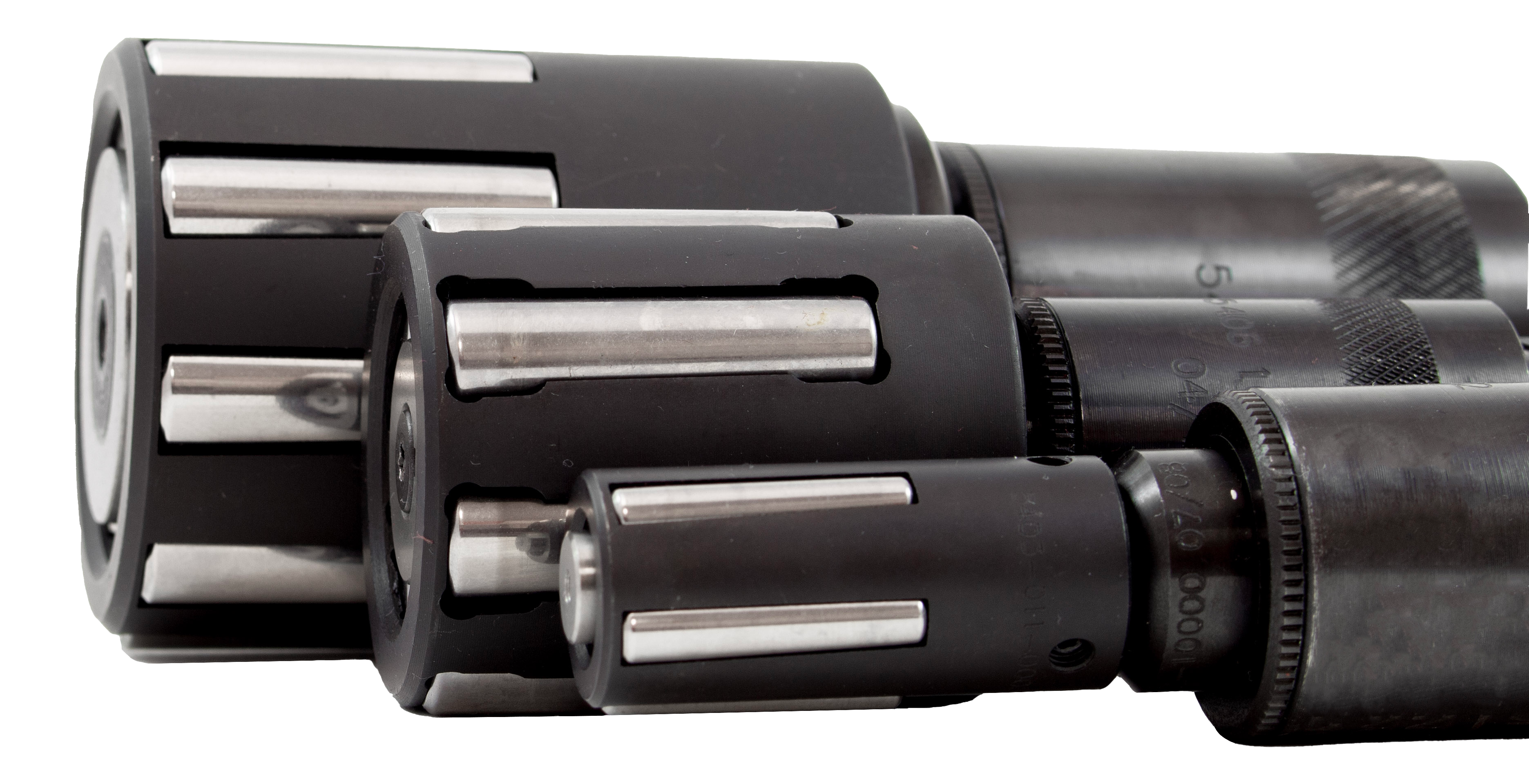
When the rolls begin to show wear, replace the entire set rather than individual rolls. Rolls typically wear faster than the mandrel, although the wear rate can vary depending on tool size and geometry. Smaller tools may wear more quickly because their working components contain less material and have smaller contact areas.
Replacing the Mandrel
The mandrel does not require replacement every time the rolls change. If wear is even and there are no signs of damage, it can remain in service. Inspect the mandrel and cage for pitting, chipping, scoring, or heat discoloration at every roll change.
Inspecting the Cage
The cage generally wears more slowly than the rolls and mandrel. One sign of cage wear is a polished or burnished appearance on the inside surface where the rolls contact it. Routine wear inspections should focus mainly on the rolls and mandrel, while technicians should also inspect the cage during each service.