Additive Manufacturing & Metal Finishing:
The Importance of Post-Processing 3D-Printed Parts
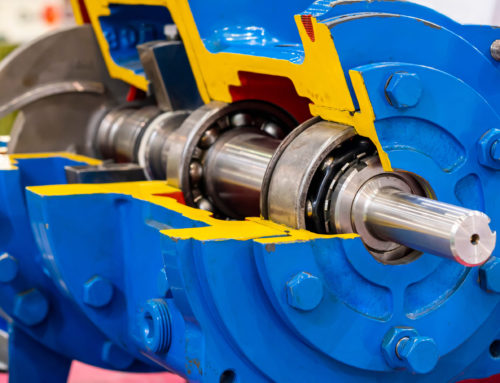
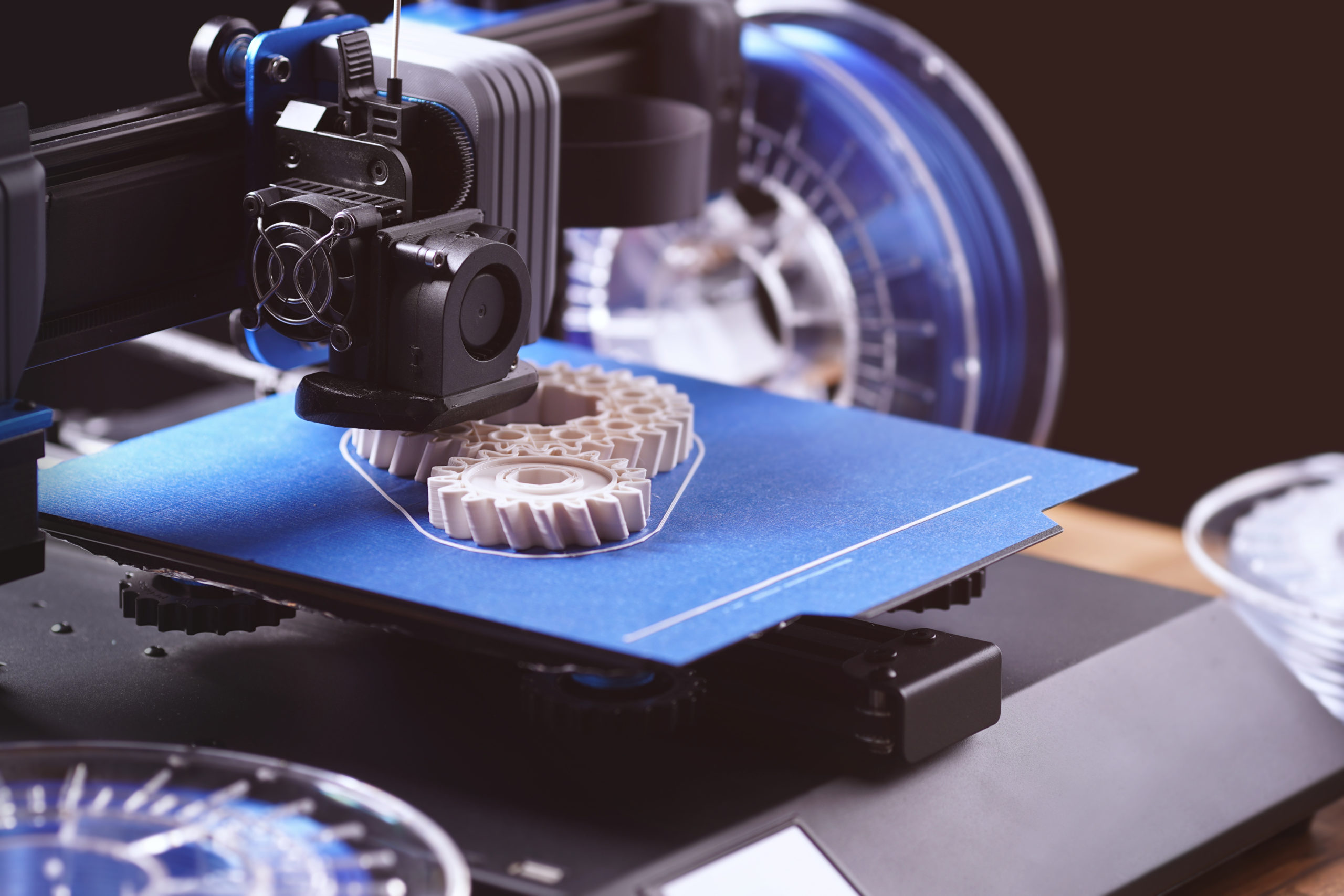
Additive manufacturing is growing fast in aerospace and automotive, where engineers print complex geometries that traditional machining struggles to match. However, post-processing 3D-printed parts is often necessary because a component rarely leaves the printer ready for service. This step can determine whether the part meets the surface quality, hardness, and fatigue performance these industries require.
Why Post-Processing 3D-Printed Parts Matters
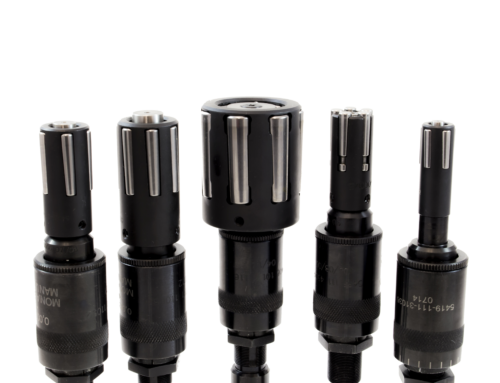
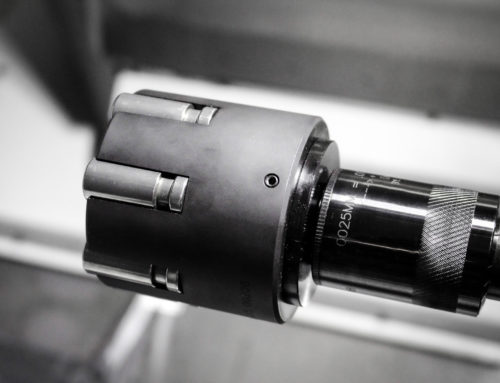
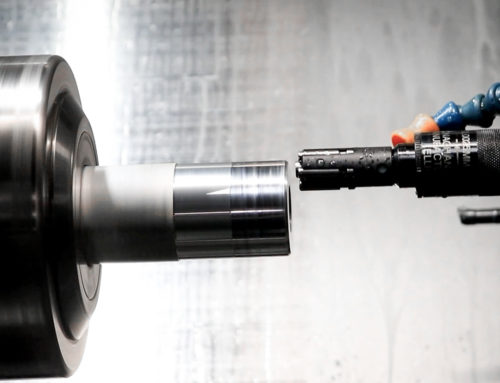
Printed surfaces typically need machining to reach final dimensions before any finishing work begins. Burnishing then refines the surface, improving finish and integrity without removing material or changing the part’s geometry. This sequence places burnishing near the end of the process, not as a standalone step.
Where Burnishing Fits Today
Most current applications are still in prototyping or small-batch, specialty production. A useful comparison is die casting or aluminum extrusion. The printed part arrives close to final form but still needs work to perform like a finished component. Print the geometry, machine it to size, then burnish the surface.
Understanding Burnishing Performance
Benefits of Burnishing
Burnishing can improve wear resistance, sealing surfaces, and fatigue performance on parts that see cyclic loading. It works well on accessible surfaces that carry a load, resist wear, or need to seal against another part.
Limitations of Burnishing
Burnishing cannot repair porosity, correct severe distortion, or reach internal passages that a tool can’t access. It also won’t change a part’s geometry, only its surface finish. Outcomes depend on the specific part and material. We describe results as what burnishing can or may improve, not as a guarantee.
What We’ll Evaluate Before Burnishing a Printed Part
The material needs to be a ductile metal. Beyond that, most factors come down to the specific part rather than a fixed rule. Surface access and part geometry affect which tooling can be used. Thin walls or low-rigidity features may need extra support to handle burnishing force. And parts closer to final size generally see the best results, since burnishing refines a surface rather than repairing one.
Testing Determines the Right Approach
Every application is different, so testing typically determines the parameters needed to meet a customer’s criteria. This matters most in aerospace and automotive, where tolerances and performance requirements leave little room for error.