All You Need To Know About Boiler Inspections
Erica Dzomba2022-08-10T09:16:45-05:00Let’s Talk About Boilers: How Often Should They Be Serviced? Whether you are an Industrial Maintenance, or Manufacturing Manager, you have a lot on your plate. [...]
Let’s Talk About Boilers: How Often Should They Be Serviced? Whether you are an Industrial Maintenance, or Manufacturing Manager, you have a lot on your plate. [...]
Tubes are welded for many different reasons, such as providing additional leak protection or to carry additional load. Although welds can be beneficial while the vessel is in service, it can cause some challenges during the removal process.
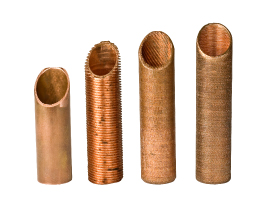
Enhanced surface tubing has grown in popularity in recent years, with many different styles and options available. While enhancements are preferred for efficiency, they can pose some challenges to operators. As a result, it’s important to be aware of best practices before working with enhanced tubes to ensure that the job is done efficiently and without any damage.
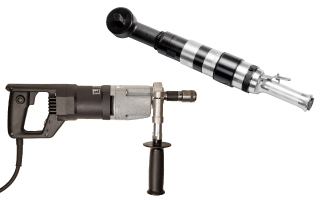
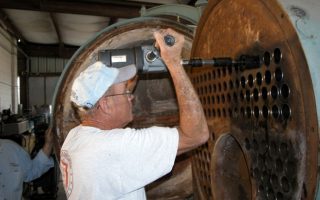
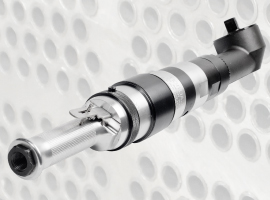
There are two motor power sources that are used for expanding tubes mechanically: electric rolling motors and pneumatic rolling motors. Determining what motor to use for a job will depend on operator preference, availability of electricity or air, and the application.
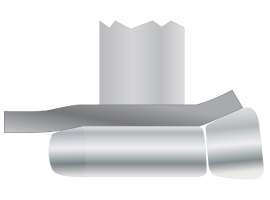
Firetube boiler tubes consist of an expanded and beaded tube end. The method for achieving a bead has advanced over the years to include both hand beading and single roll beading expanders. In order to ensure a proper bead, there are several steps that need to take place before expansion can occur.
Single roll beading expanders simultaneously expand and bead the tube ends in firetube boiler applications. This tool accomplishes the creation of a pressure-tight tube-to-tube sheet joint, and a beaded tube end, by utilizing the natural feed force built into the expander to push the beading roll against the end of the tube while expansion is taking place. The successful operation of these expanders can be achieved by following a few simple steps.
Elliott offers the 445 Series Motors in both roll and lever throttle for tube sizes 2.000” (50.8mm) to 4.000” (101.6mm) to suit your tube expansion needs. The powerful 445 Series Motors are ideal for tough boiler tube applications. The right angle heads are suited for rolling tubes in hard to reach, tight areas.
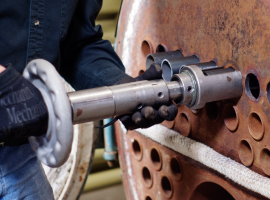
Retubing a vessel can be very extremely difficult depending on the type of vessel, how long the tube has been in service, and how efficient the initial expansion was. From support sheet bending to broken tubes, there are many issues that an operator can face during the removal process. Here are some tips & tricks you can use to overcome these common tube removal problems.
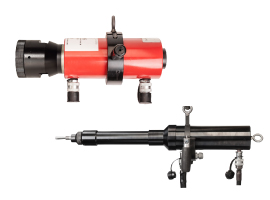
Tube pullers grip and pull the tube out from the tube sheet. There are a variety of tube removal tools available and each one has a specific use. Review the quick guide below to make sure you select the right tool for the job.
The American Society Of Mechanical Engineers (ASME) develops standards to provide consistency and ensure public safety and reliability. While these codes are not always required, they have been widely adopted and implemented across many industries. As a result, it is important to be knowledgeable and aware of these standards prior to beginning a job.