Refinery Summer Turnarounds
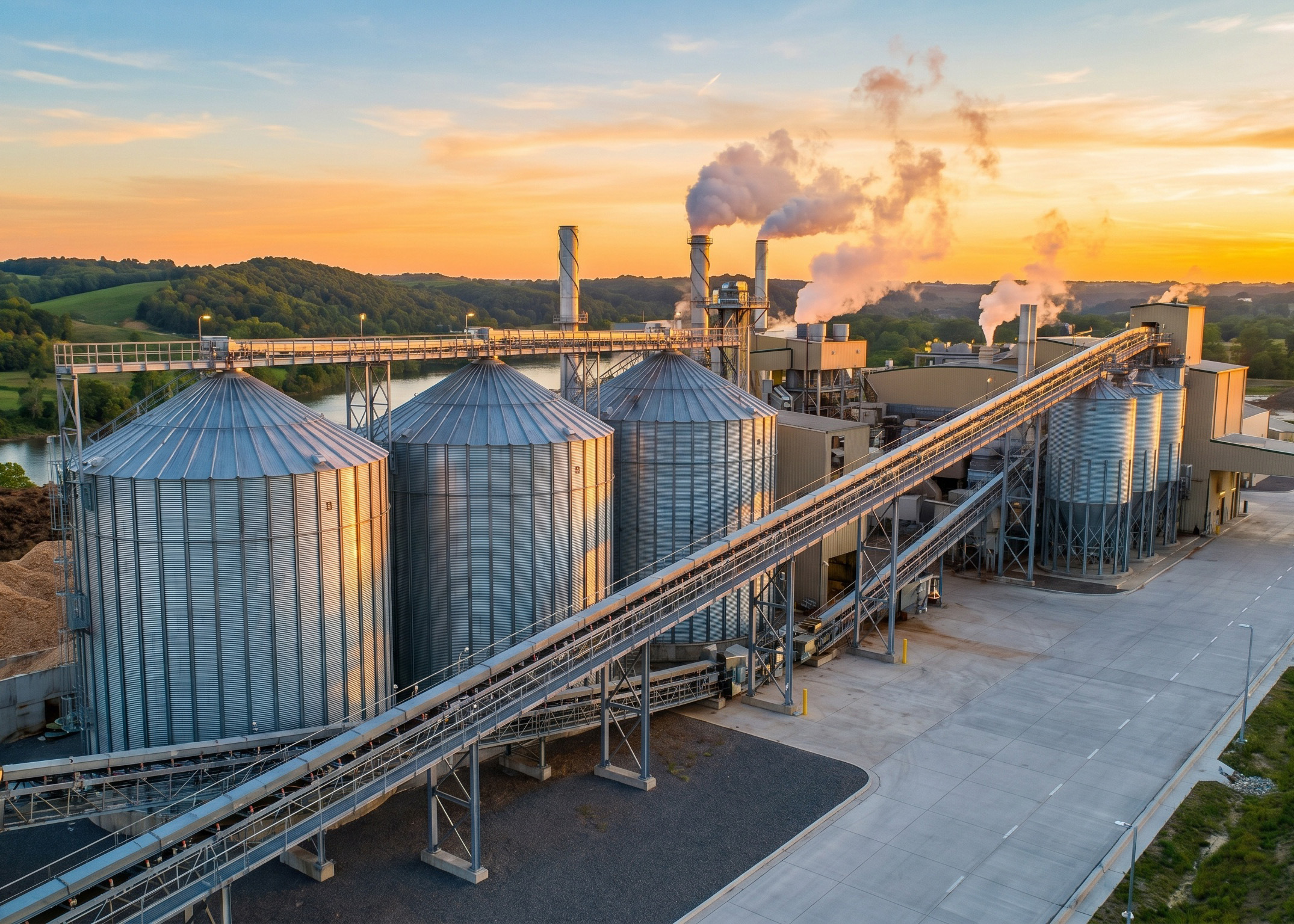
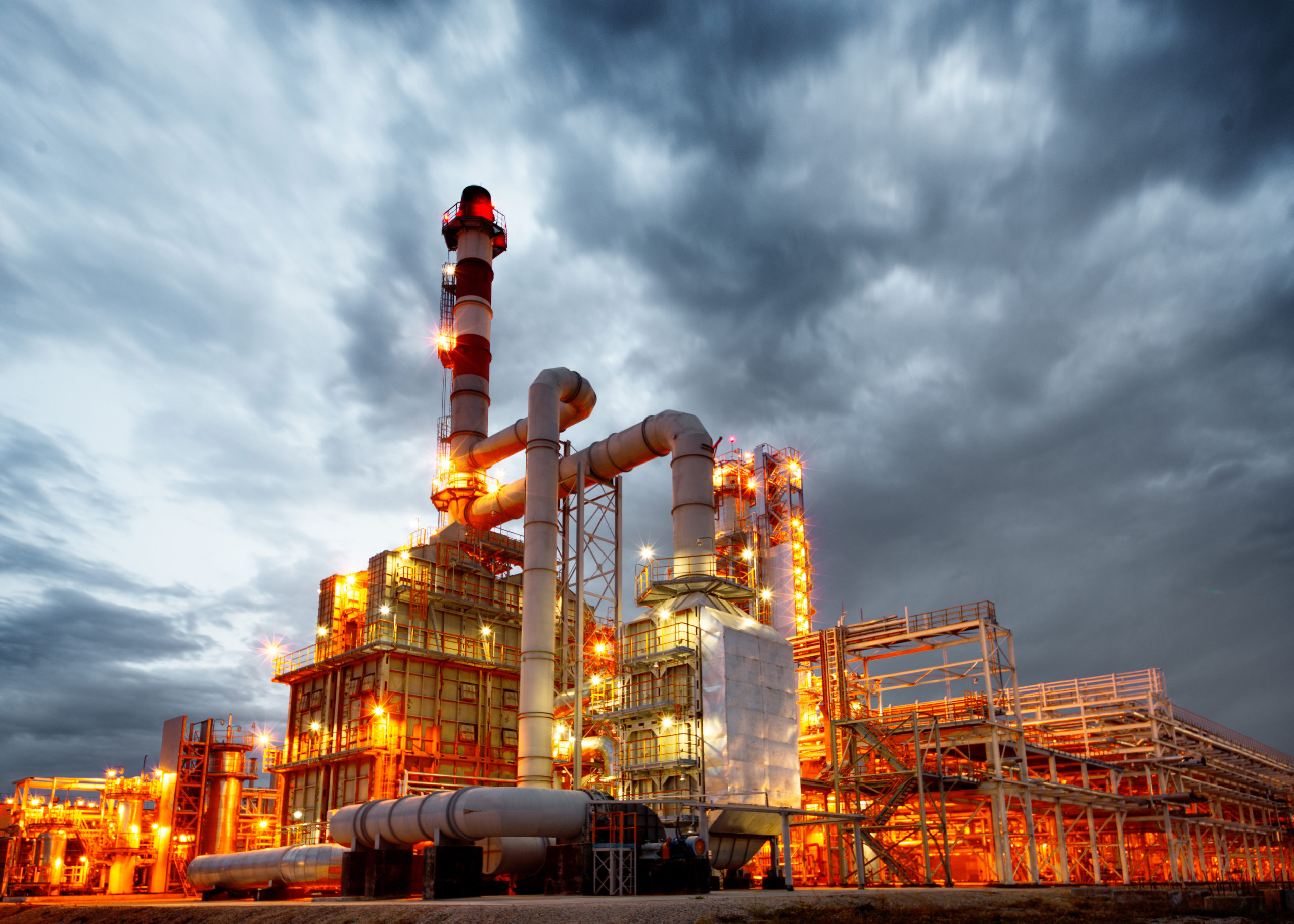
June Nguyen2026-07-13T14:56:04-05:00Summer refinery turnarounds carry pressures that other windows don't. Here's what planners and maintenance teams need to know about scheduling, heat risk, and timing.
Summer refinery turnarounds carry pressures that other windows don't. Here's what planners and maintenance teams need to know about scheduling, heat risk, and timing.
As fuel sources shift toward biomass and alternative energy, boiler deposits change too. Here's what plant operators and maintenance technicians need to know about keeping heat exchangers clean.
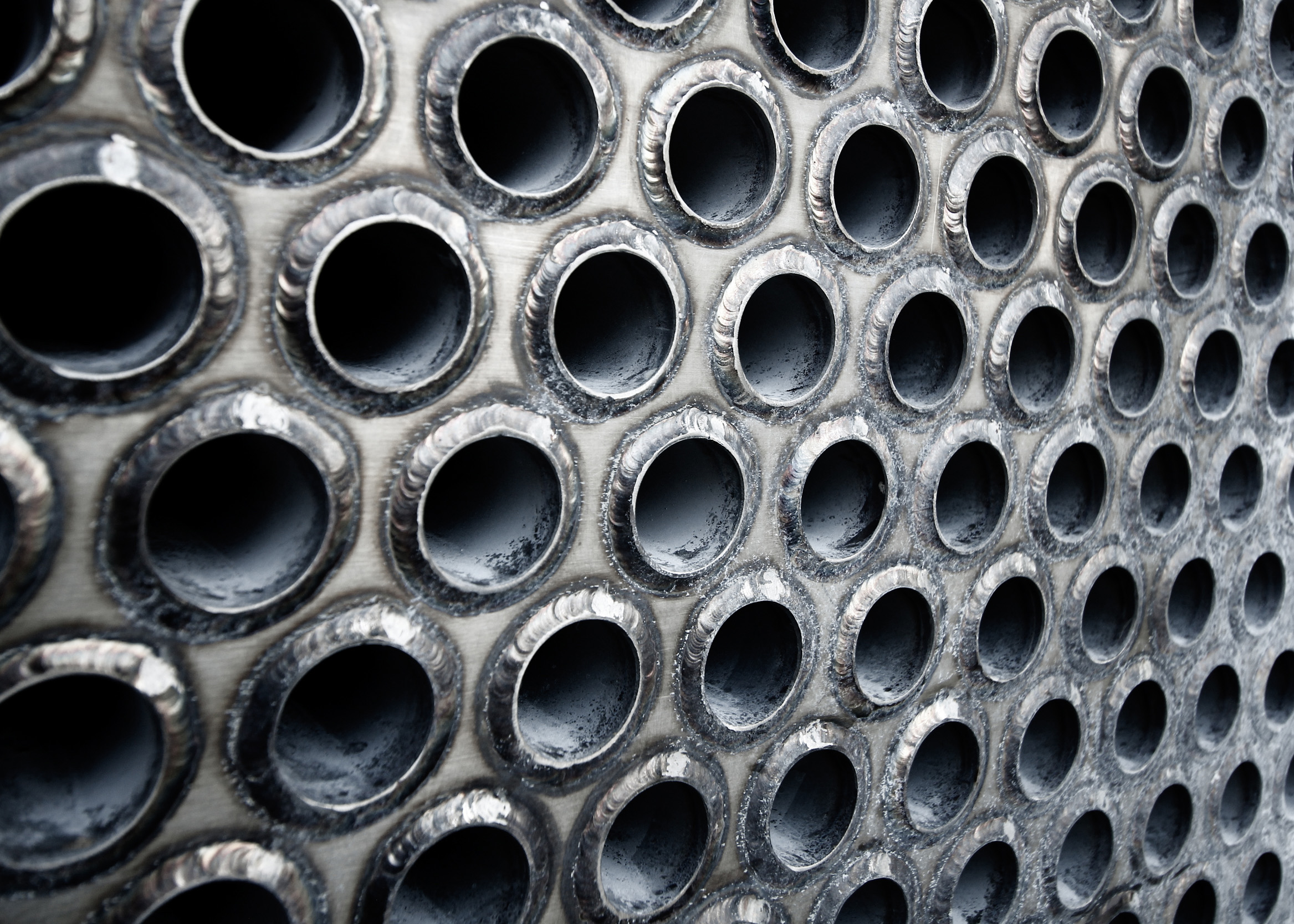
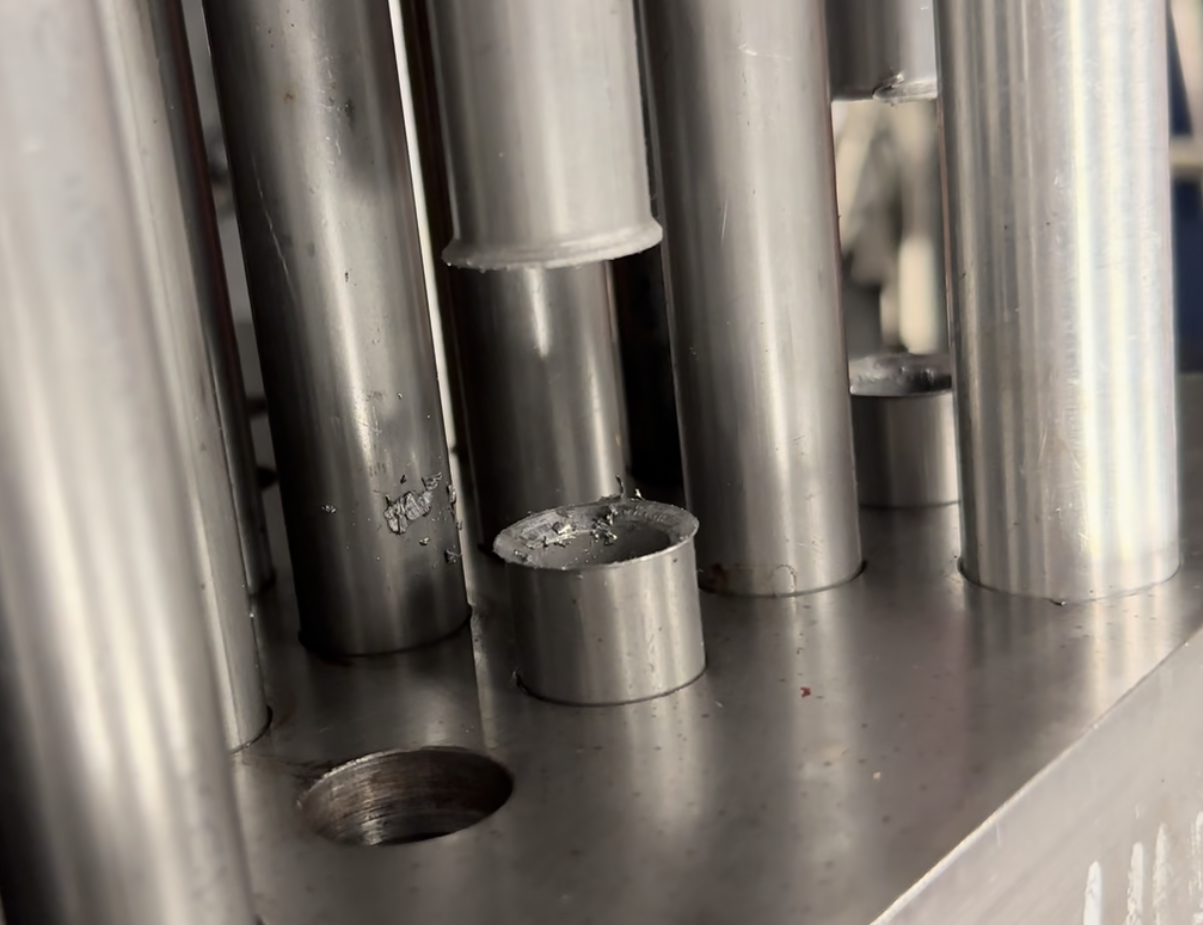
Welded tube-to-tubesheet joints present unique removal and maintenance challenges in the field — here's what contractors need to know about proper tooling and technique.
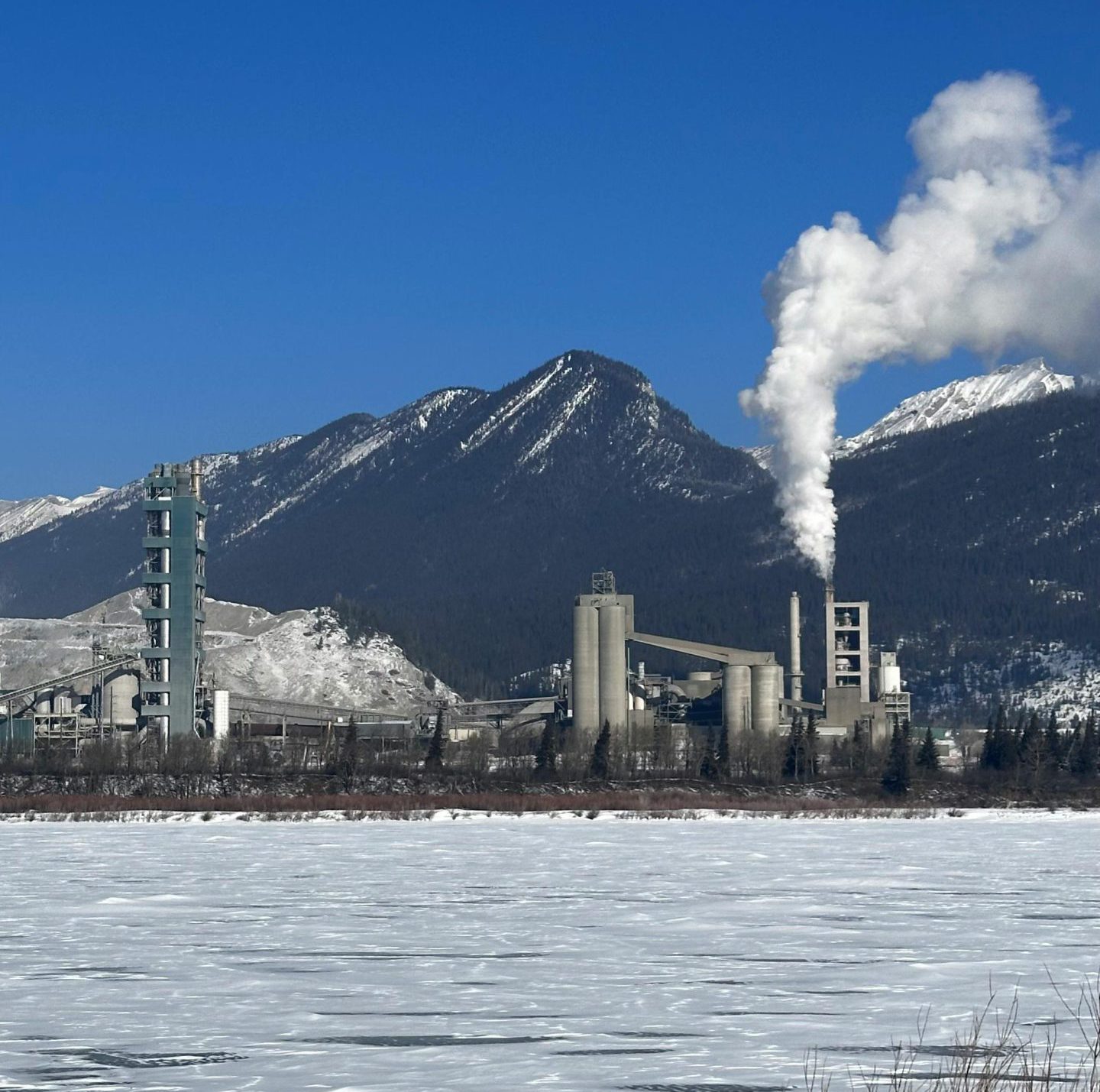
As the seasons change, many industrial facilities gear up for essential winter shutdowns. These planned maintenance periods, which can span from a week to several months depending on the plant's size and complexity, are crucial for ensuring the reliability, efficiency, and safety of operations for the coming year. A well-executed shutdown plan is key to minimizing downtime and preventing catastrophic failures.
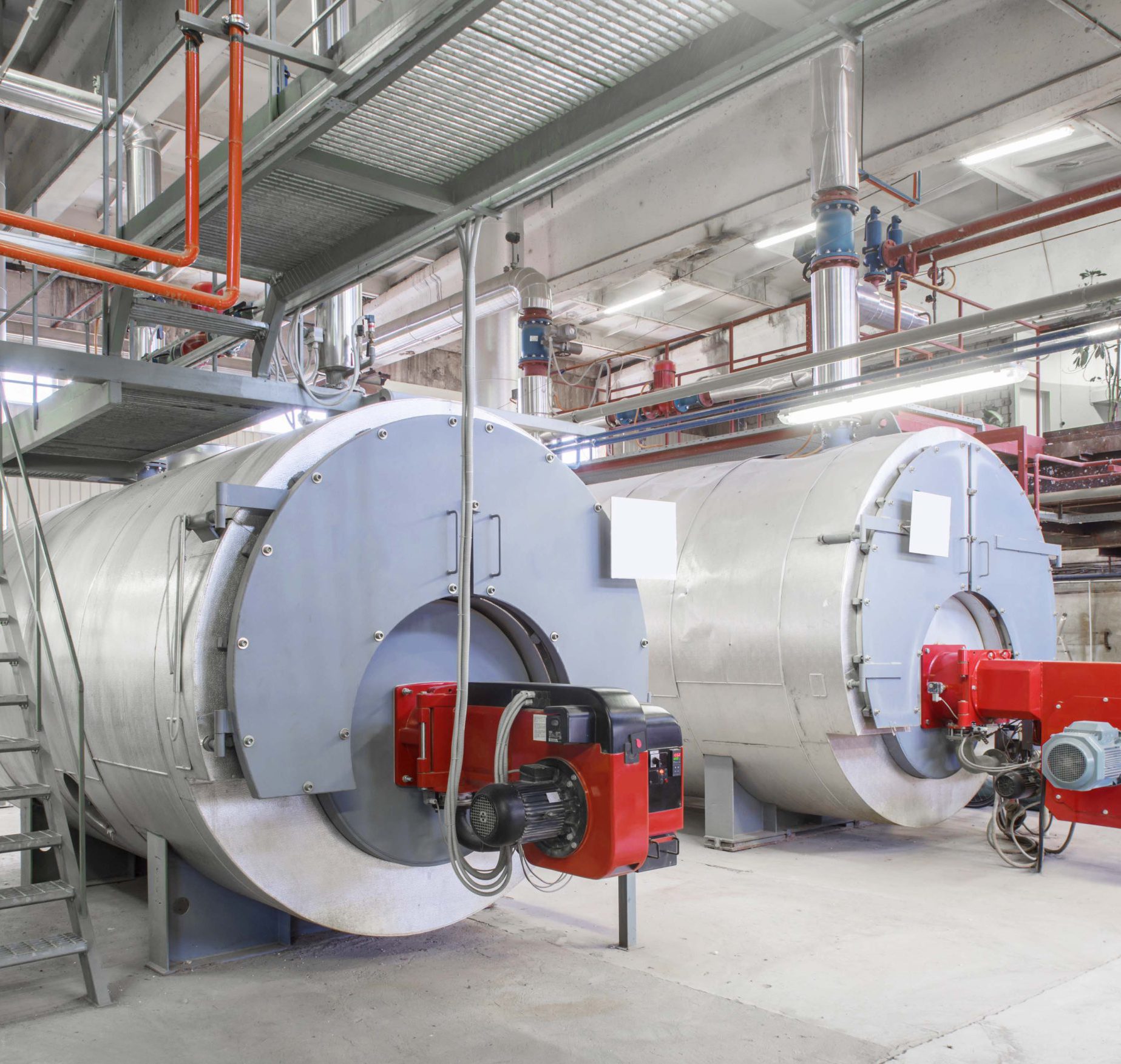
Firetube boilers are workhorses, essential to the daily operations of countless facilities, from industrial plants and hospitals to prisons and residential buildings. Their reliability is critical, as a sudden failure can lead to severe consequences, including forced closures, patient transfers, or massive operational disruptions. Despite their importance, these boilers are often tucked away in hard-to-reach boiler rooms, making routine maintenance an easily overlooked task. However, neglecting a proper cleaning and maintenance schedule is a costly mistake that can lead to significant efficiency losses and catastrophic failures.
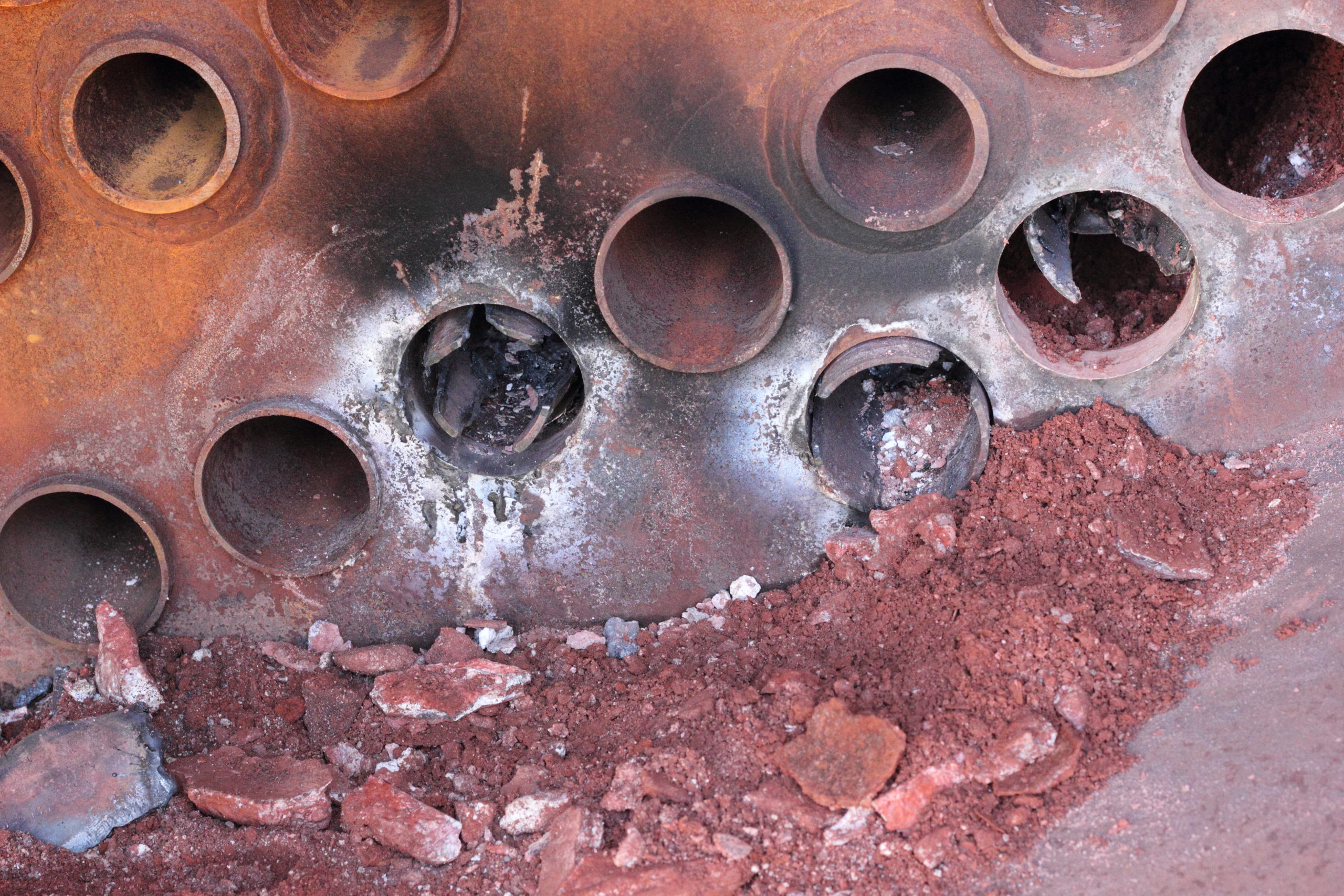
Navigating the challenge of unknown deposits in heat exchange equipment can be daunting. From shell and tube heat exchangers to air coolers and boilers, each system presents unique cleaning considerations. Being prepared is key to efficiently and effectively removing these deposits, minimizing downtime, and extending the lifespan of your equipment.
Tube expanding is a technique used to create a secure connection between a tube and tube sheet, by compressing the outer diameter against a fixed surface. This process ensures a leak-proof joint that is crucial for the proper functioning of heat exchangers and other pressure vessels.
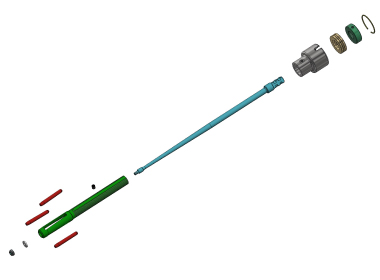
Tube removal can be a daunting task, especially when encountering challenges like corrosion or tight spaces. One of the most frustrating situations operators face is the inability to pull a tube using a hydraulic puller. This article explores the four primary reasons behind this issue and offers simple solutions to overcome them.
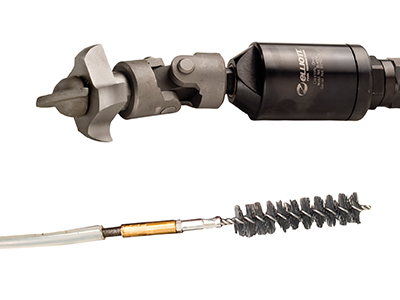
The abundance of tube cleaning methods on the market can make it challenging to select the best option for a specific application. While factors like vessel type and deposit composition are crucial, it’s equally important to consider the limitations of each cleaning method.
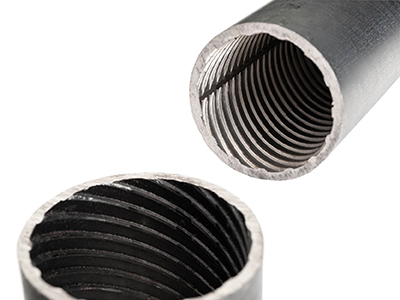
In order to increase efficiency and lower operating costs, many boiler makers are switching to X-ID® enhanced tubing. While X-ID® tubes are beneficial for the end user, they can be challenging to install.