Heat Exchangers and Boilers in Green Energy:
What Changing Fuel Sources Mean for Maintenance
The push toward cleaner energy has brought heat exchangers and boilers into a wider range of applications than ever before. Hydrogen production, carbon capture systems, and waste heat recovery all rely on thermal transfer equipment to function — and as these technologies scale up, the demand for reliable, well-maintained heat exchange equipment grows with them. For plant operators and maintenance technicians, the expanding role of this equipment in green energy systems brings some practical challenges worth understanding, particularly when it comes to waste heat boilers and the fuel sources powering them.
Where Heat Exchangers Fit in Green Energy
Heat exchangers play a supporting role across most green energy processes. In hydrogen production, they manage the thermal demands of steam methane reforming and electrolysis systems. In carbon capture, they help regulate temperatures during absorption and compression stages. Waste heat recovery systems are built around the concept entirely — capturing thermal energy that would otherwise be lost and converting it into usable steam or power.
In each of these applications, the performance and cleanliness of the heat transfer surfaces directly affects system efficiency. Fouled or poorly maintained equipment doesn’t just reduce output — it drives up energy consumption and can shorten equipment life considerably.
The Shift to Biomass and Variable Fuel Sources
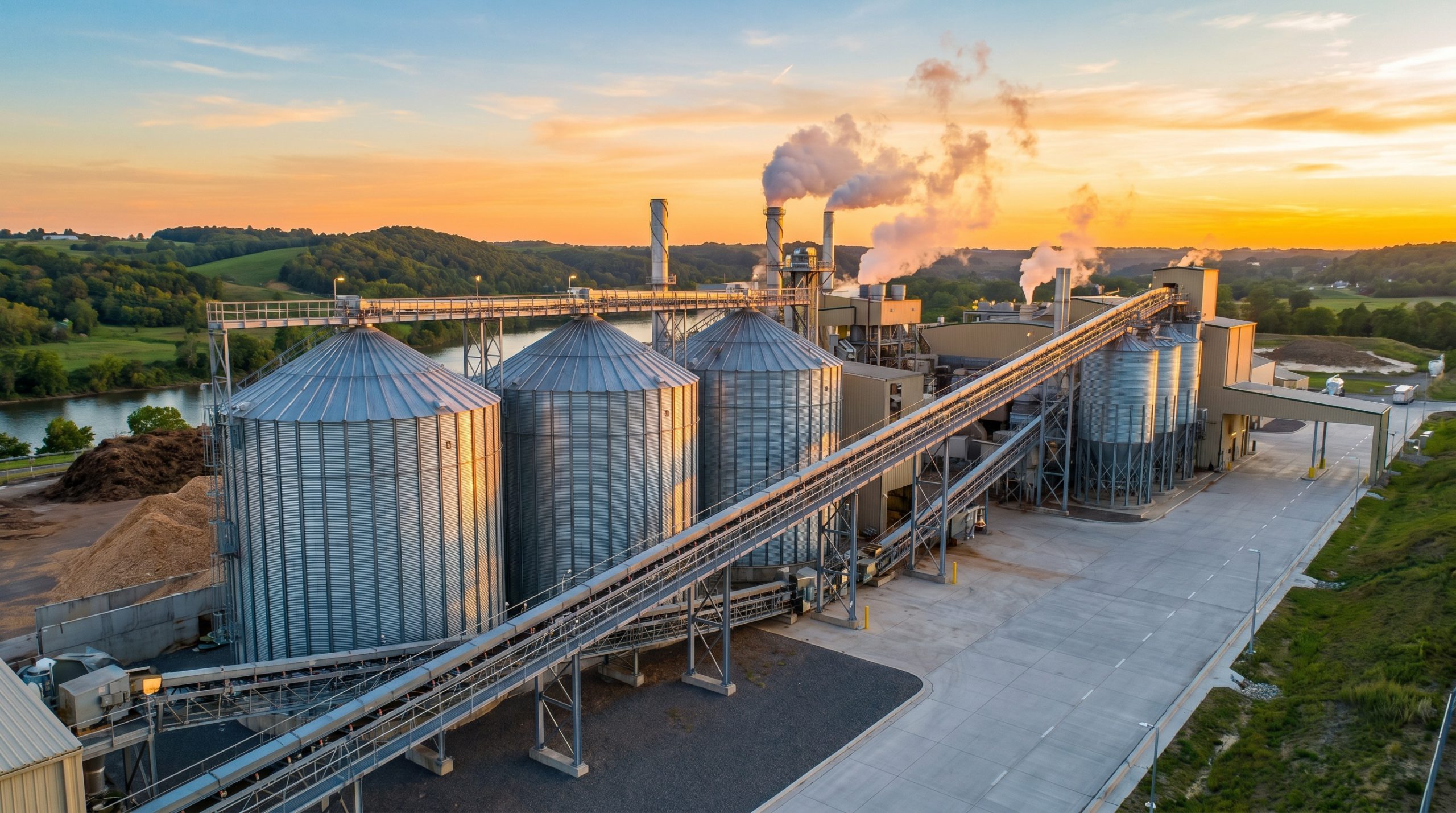
One of the more significant trends in waste heat and steam generation is the move toward biomass as a fuel source. Facilities are increasingly using biomass to drive steam generation, power production, and hot water systems as part of broader efforts to reduce reliance on fossil fuels. On paper, this makes sense. In practice, it introduces a maintenance variable that not every operation is fully prepared for.
The core issue is that waste heat boilers can run on virtually any fuel source — from natural gas on the clean end of the spectrum to biomass and other organic materials that burn less predictably. The type of fuel burned has a direct impact on the deposits that accumulate inside the boiler, and those deposits are not all the same.
Why Deposit Type Matters
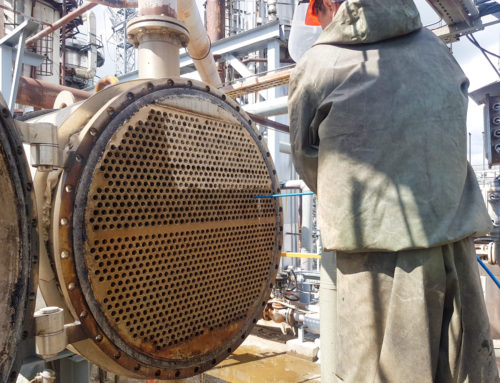
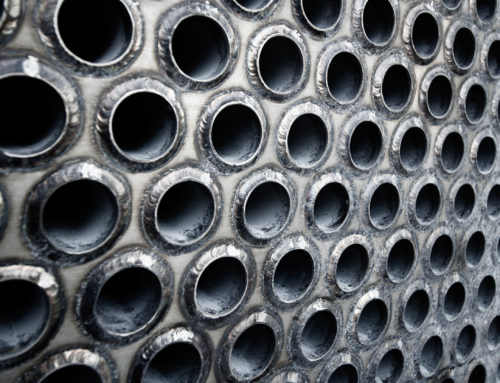
In a standard fire tube boiler running on natural gas or a similarly clean fuel, the primary byproduct is soot. Soot is dry, loosely adhered, and relatively easy to remove. A brush is usually all that’s needed to clean the tubes and restore heat transfer efficiency.
Waste heat boilers operating on biomass tell a different story. The combustion of organic materials can produce deposits that are hard, tacky, or somewhere in between — depending on the specific fuel composition, combustion temperature, and operating conditions. These deposits adhere to tube surfaces and resist mechanical removal in a way that soot simply doesn’t.
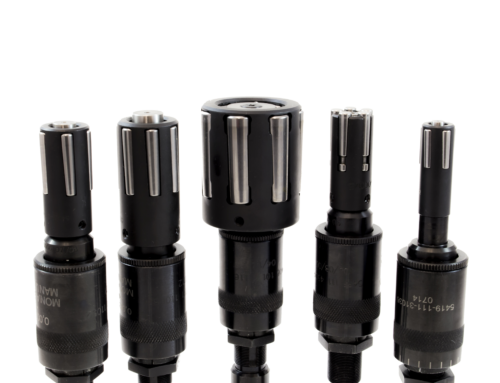
For this type of deposit, a turbine-style mechanical cleaner is typically required. These tools use rotating cutters or scrapers to break up and dislodge hard or tacky build-up. Using the wrong cleaning method on this type of deposit doesn’t just fail to clean the tube — it can waste time and potentially damage equipment if an operator spends significant effort with a tool that isn’t suited to the job.

Know Your Fuel Source Before You Plan Your Maintenance
The practical takeaway for operators is straightforward: the fuel source needs to be part of the maintenance conversation from the start. Before selecting cleaning tools or scheduling a maintenance procedure, it’s worth asking what the boiler has been running on and what kind of deposit buildup is likely as a result.
If the operation has shifted to biomass or a blended fuel source, the cleaning approach may need to change along with it. A maintenance program built around soot removal won’t hold up against biomass deposits and uncovering that mid-job creates unnecessary delays and costs.
As green energy applications continue to grow and fuel sources become more varied, this kind of fuel-aware maintenance planning will matter more.