Drift Rolling Thicker Tube Sheets in Boilers
Your rolling tool may fit a thick tube sheet, but rolling that whole effective area in one pass is another story. Drift rolling handles it by rolling the tube in stages. We see it most often in water tube boilers.
When Drift Rolling Comes Into Play
Your tube walls may be thicker than average for the OD (outside diameter) of the tube you are expanding. If so, the motor may not have enough torque to expand the entire drum thickness in one pass. Ex: 2” x 0.203” wall t.
How the Drift Rolling Process Works
Take two measurements of the tube hole: one closer to the OD of the drum and one closer to the ID (inside diameter) of the drum. Together, they give you an idea of taper. The curvature of the drum makes the tube hole slightly larger at the OD of the drum, which creates the taper. These measurements help you verify that you meet the target ID throughout the entire drum wall.
Then roll the tube in three stages:
- Go a quarter of the way in and roll for a set number of rotations
- Go halfway in and roll again
- Go completely in and finish rolling the remainder of the expansion area
Verify that the different tapered tube hole measurements transfer to the finished ID measures.
When to Step Roll Instead of Drift Rolling
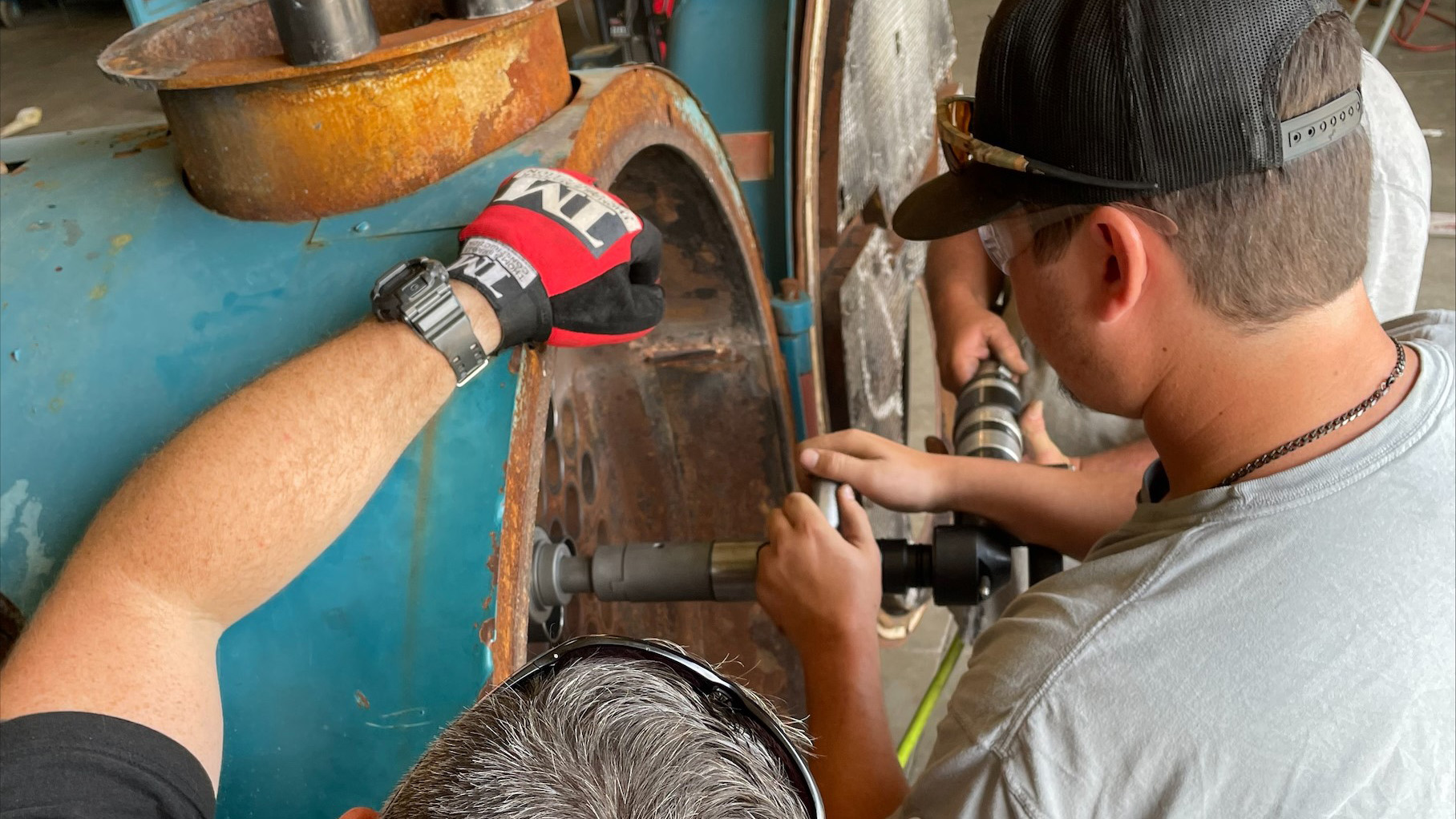
Drift rolling works when the drum thickness is within the effective roll length of the roll you’re using, such as the 3300 Series Boiler Tube Expander. On an 8-inch drum, you’d call for a DRE Series Deep Roll Boiler Tube Expander and step roll instead. That’s the same way we do it in heat exchangers.
Why Rolling in Stages Is Safer for Operators
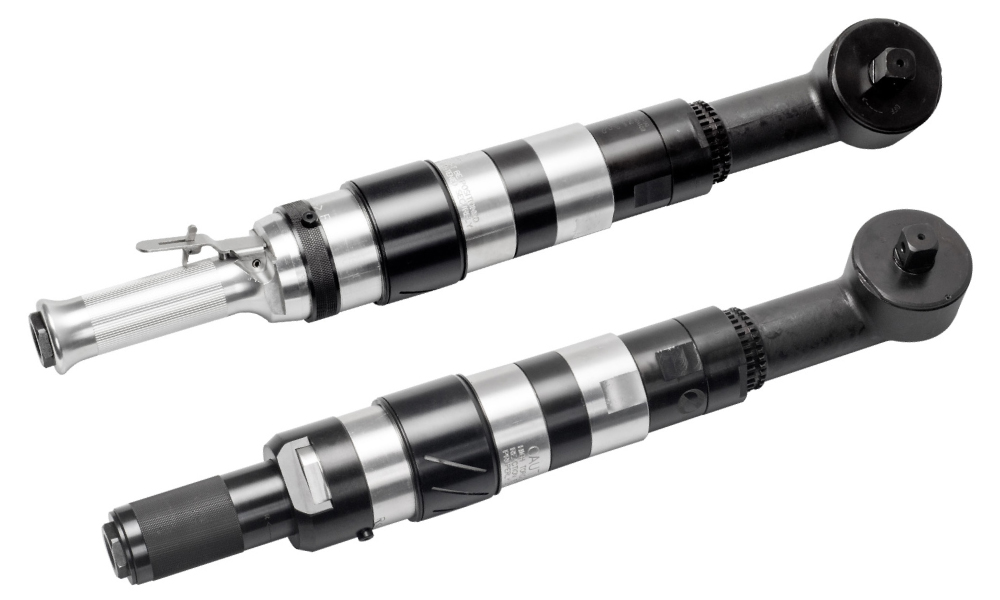
Rolling in stages puts less torque on the motor and less force on the operator. That helps keep the motor from kicking or punching you.
It also lets you use a standard motor. A right-angle motor is more manageable than the setup you’d need to roll the entire thickness at once.
How Staged Rolling Extends Tool Life
Drift rolling adds extra operations, but it doesn’t wear out the mandrel and roll set as much. There’s less force and stress on the tools, which gives you a little increase in tool life. You’re not rolling 3 inches of 0.190-inch wall material all the way around in one pass.
The Bottom Line
If the drum thickness falls within your roll’s effective length, drift rolling lets you work toward your wall reduction target in stages. That means less strain on the operator, the motor, and the tools.