
Refinery Summer Turnarounds
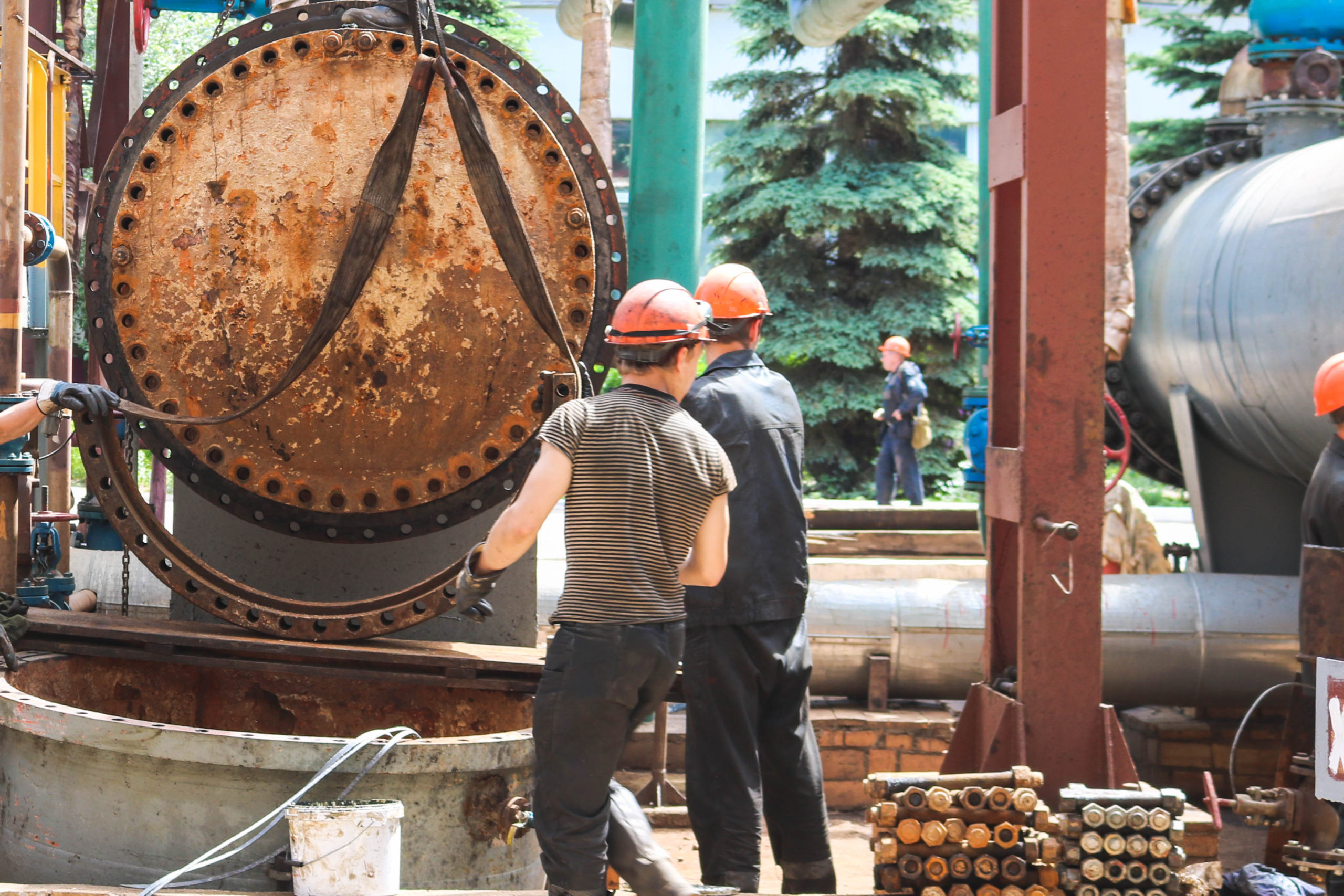
June Nguyen2026-07-13T14:56:04-05:00Summer refinery turnarounds carry pressures that other windows don't. Here's what planners and maintenance teams need to know about scheduling, heat risk, and timing.
Summer refinery turnarounds carry pressures that other windows don't. Here's what planners and maintenance teams need to know about scheduling, heat risk, and timing.
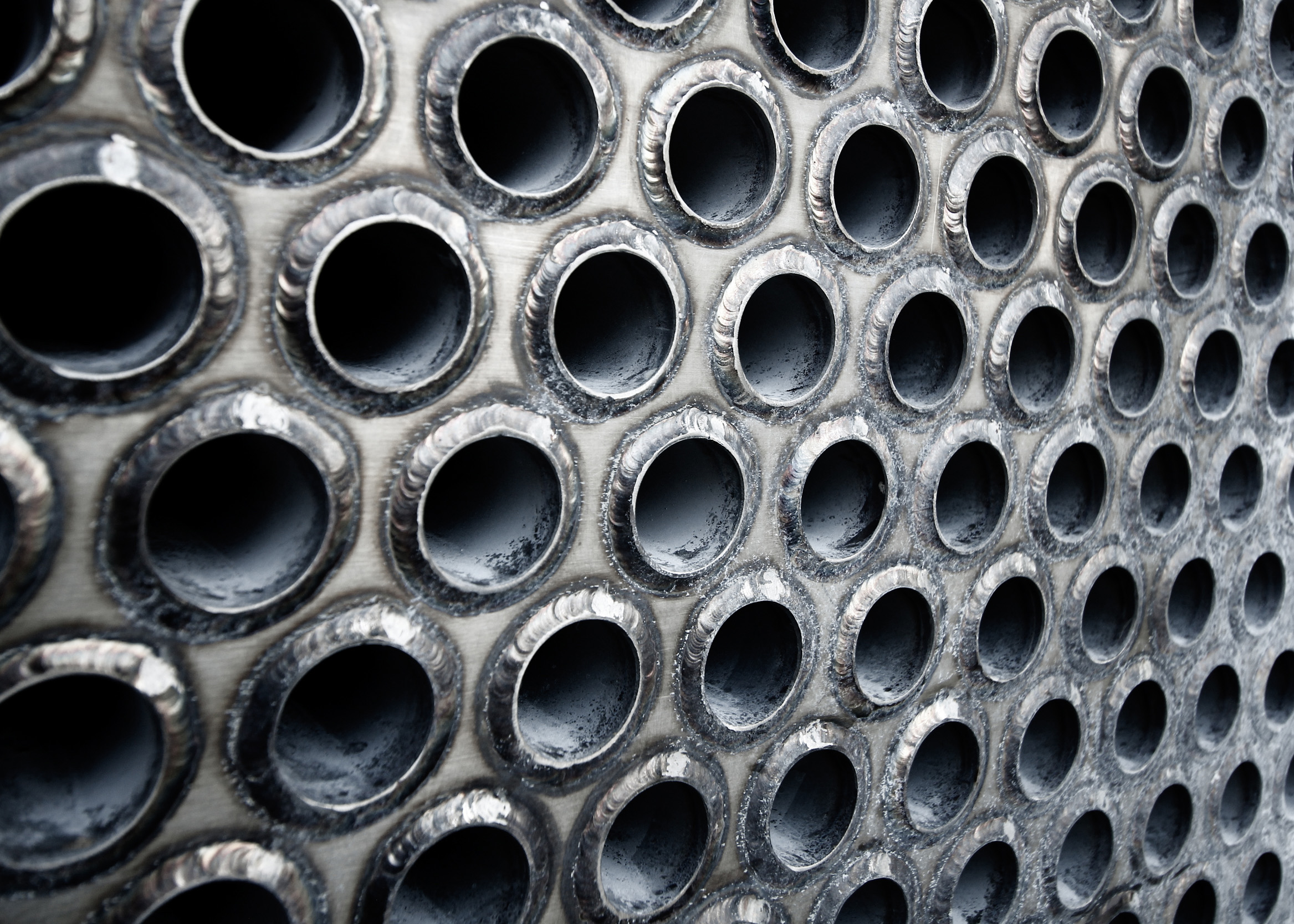
Welded tube-to-tubesheet joints present unique removal and maintenance challenges in the field — here's what contractors need to know about proper tooling and technique.
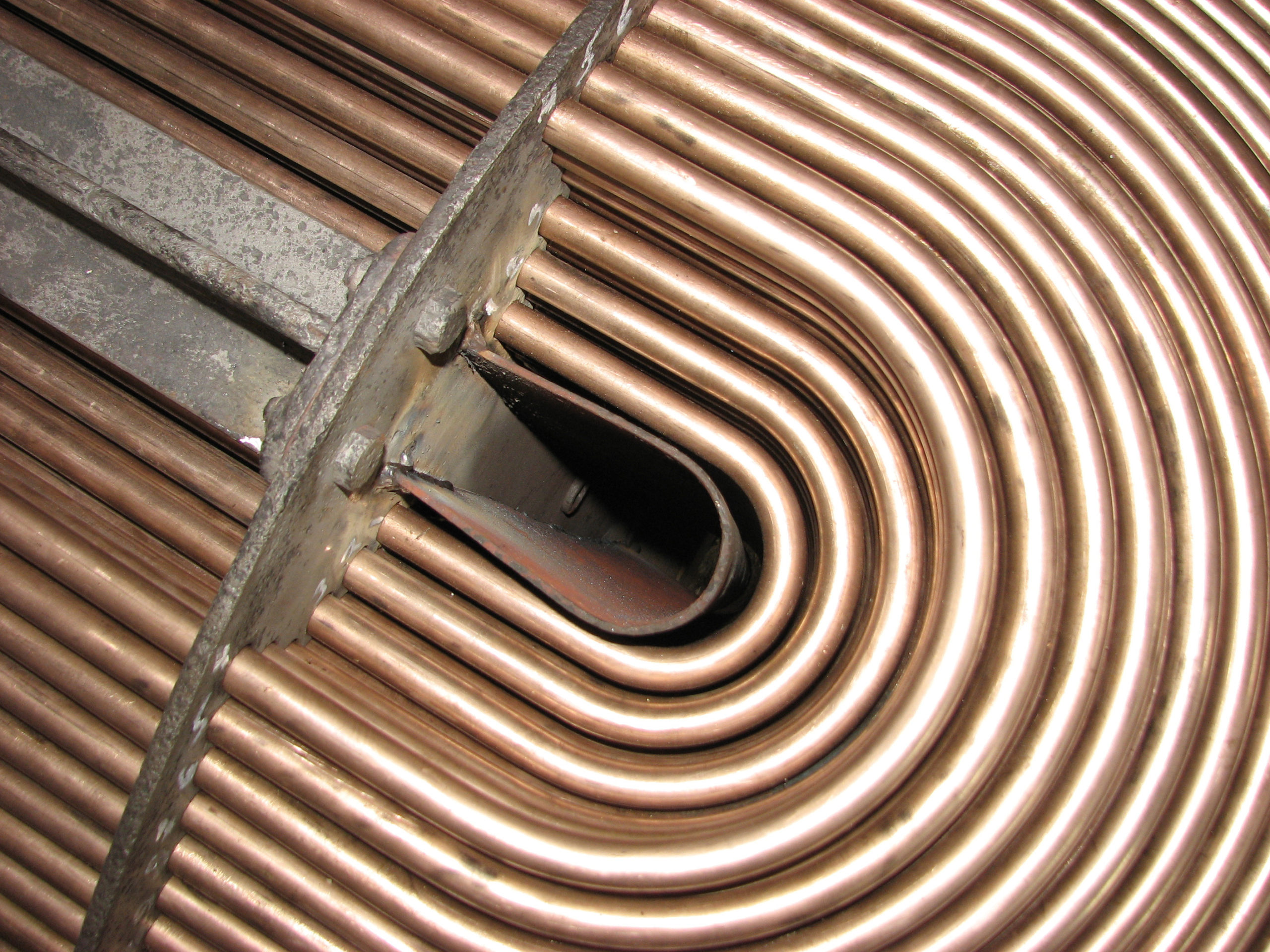
Learn how to install tubes in a U-tube heat exchanger. Manage tube projection, avoid over-rolling, and protect your bundle long-term.
Sharp tube inlets cause turbulence and erosion. Condenser tube flaring creates smoother flow, protects inlets, and extends the life of your heat transfer system.
Proper tube expander heat management starts with the right lubricant. Learn how to protect tooling, reduce wear, and avoid expensive replacements.
Mechanical joining is a fundamental manufacturing process used to create a tight seal between tubular products and their corresponding a fittings or flanges. This method relies on compressing the tube’s outer diameter against a fixed container, forming a secure and leak-tight seal. A key decision in this process revolves around whether to roll to size or roll to torque, each of which offers advantages in certain applications.
Stress corrosion cracking is a common tube failure mode in corrosive environments, which can lead to significant downtime and cost. While there are many different factors that can influence the occurrence of stress corrosion, it’s largely related to the amount of stress the tube material is under during fabrication and operation. Optimizing the manufacturing process to minimize residual stress can help reduce the likelihood of stress corrosion cracking from occurring.
For years, tube expansion relied heavily on the subjectivity of "rolling to size or feel". The issue is that what one operator "sees, hears, or feels" could drastically differ from another, leading to variability and a high potential for error. The advent of torque control revolutionized this process, significantly reducing operator error and ensuring consistent, repeatable results across the board. While torque control is essential for consistency, the success often hinges on one critical factor: selecting the right motor for the job. Understanding why torque matters and the potential pitfalls of choosing the wrong motor is crucial for achieving reliable and lasting tube to tube sheet joints.
When expanding heat exchanger tubes, achieving the proper wall reduction is crucial for a secure and leak-free seal. Sometimes, however, tubes fail to expand sufficiently, hindering the integrity of the vessel. This article outlines common causes and troubleshooting steps for incomplete tube expansion.
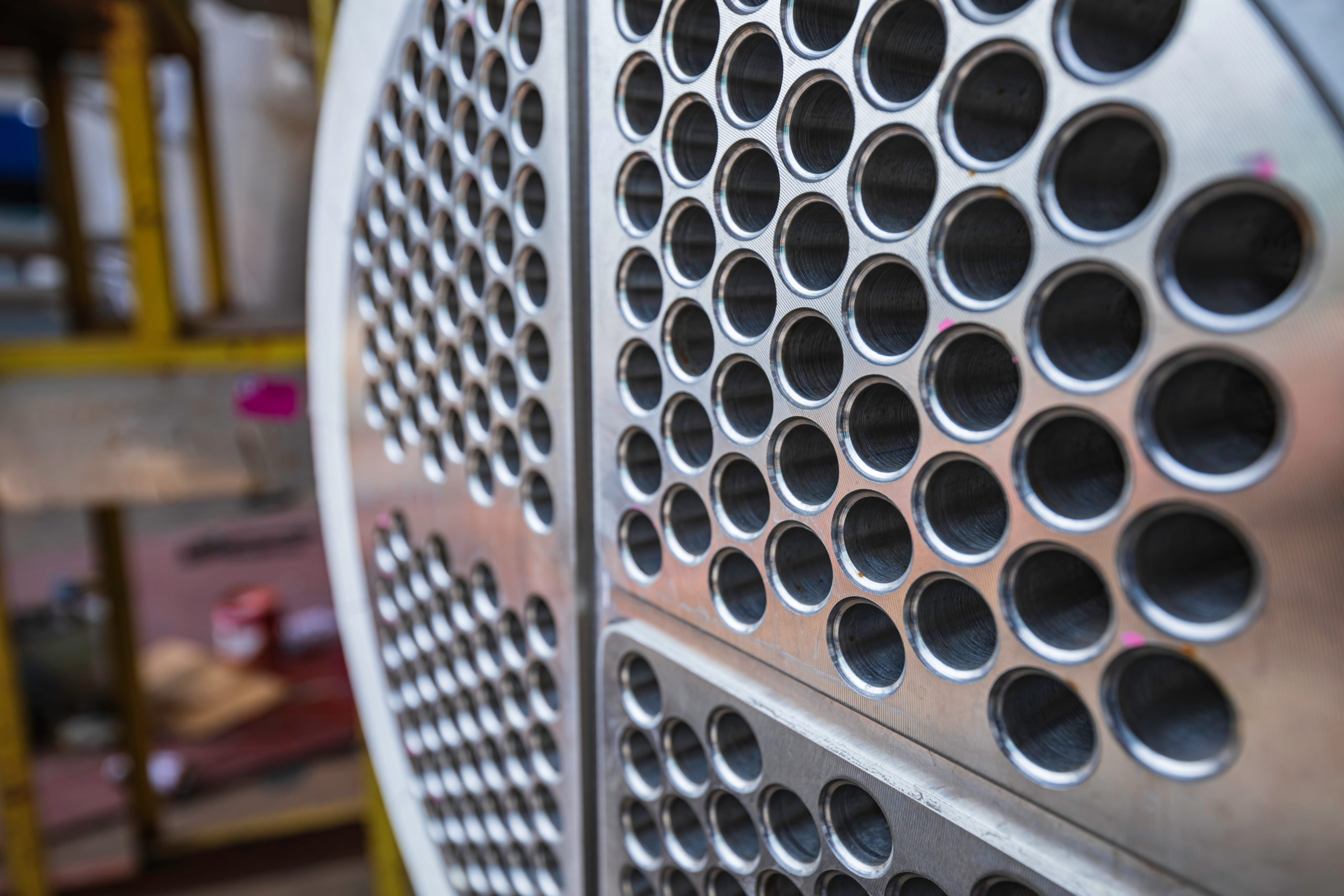
Grooved tube sheets are the standard in most shell and tube heat exchanger applications. Providing both leak protection and improving the tube-to-tube sheet joints, grooves play an important role in prolonging the life of a tube and the efficiency of a vessel. However, in few applications where grooves are not required, there can be challenges during the tube expansion process.