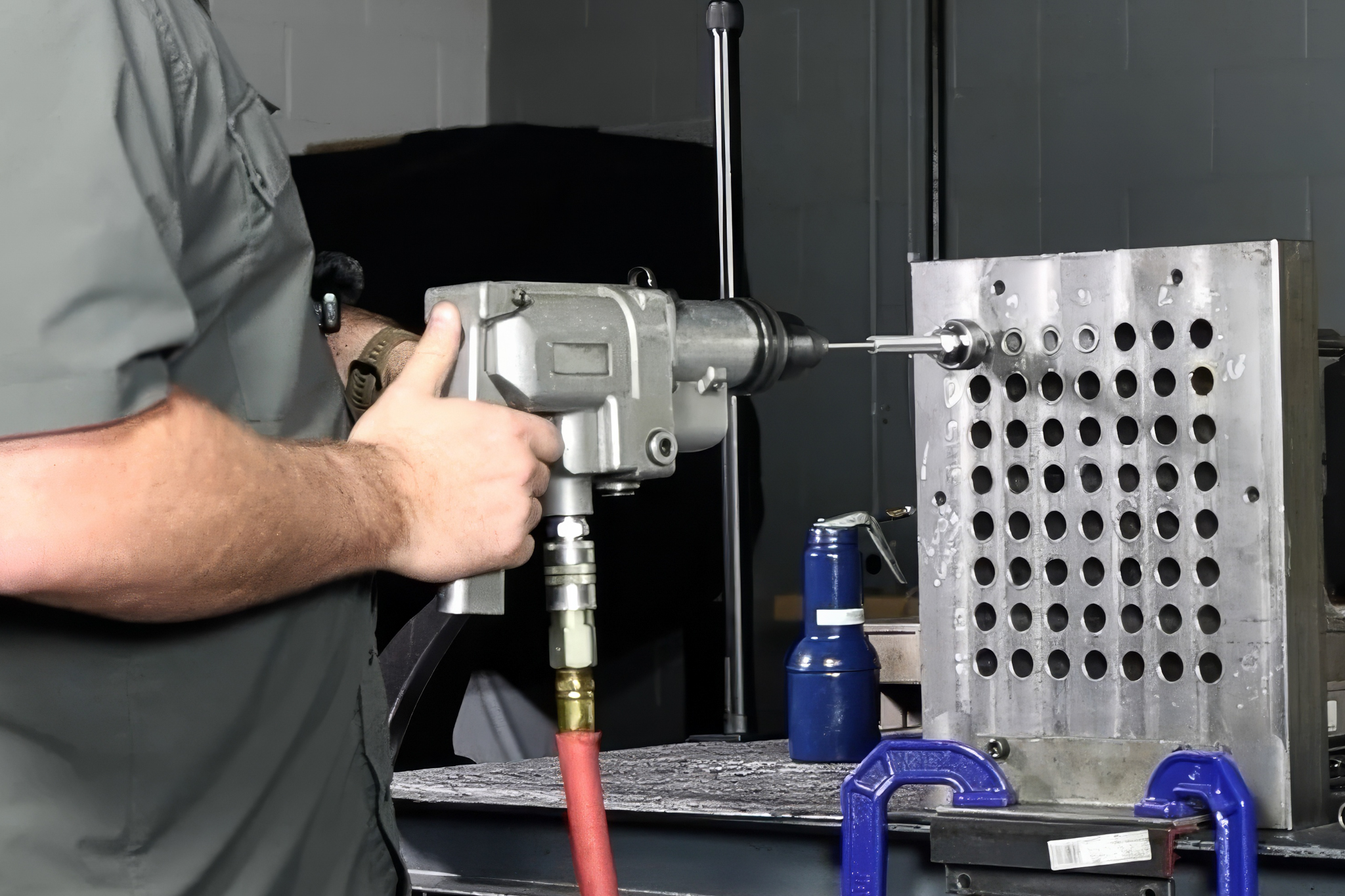
U-Tube Heat Exchanger: Tube Preparation, Projection, and Expansion
Taceana Zelaya2026-04-16T07:54:27-05:00Learn how to install tubes in a U-tube heat exchanger. Manage tube projection, avoid over-rolling, and protect your bundle long-term.
Learn how to install tubes in a U-tube heat exchanger. Manage tube projection, avoid over-rolling, and protect your bundle long-term.
Proper tube expander heat management starts with the right lubricant. Learn how to protect tooling, reduce wear, and avoid expensive replacements.
Stress corrosion cracking is a common tube failure mode in corrosive environments, which can lead to significant downtime and cost. While there are many different factors that can influence the occurrence of stress corrosion, it’s largely related to the amount of stress the tube material is under during fabrication and operation. Optimizing the manufacturing process to minimize residual stress can help reduce the likelihood of stress corrosion cracking from occurring.
Heat exchangers are workhorses in countless industrial processes, facilitating crucial heat transfer operations. However, their critical function is often jeopardized by tube failures, leading to reduced efficiency, increased operational costs, and potential safety hazards. Understanding the reason behind these failures is essential for proactive maintenance and ensuring reliable operation.
For years, tube expansion relied heavily on the subjectivity of "rolling to size or feel". The issue is that what one operator "sees, hears, or feels" could drastically differ from another, leading to variability and a high potential for error. The advent of torque control revolutionized this process, significantly reducing operator error and ensuring consistent, repeatable results across the board. While torque control is essential for consistency, the success often hinges on one critical factor: selecting the right motor for the job. Understanding why torque matters and the potential pitfalls of choosing the wrong motor is crucial for achieving reliable and lasting tube to tube sheet joints.
When expanding heat exchanger tubes, achieving the proper wall reduction is crucial for a secure and leak-free seal. Sometimes, however, tubes fail to expand sufficiently, hindering the integrity of the vessel. This article outlines common causes and troubleshooting steps for incomplete tube expansion.
Tube expanding is a technique used to create a secure connection between a tube and tube sheet, by compressing the outer diameter against a fixed surface. This process ensures a leak-proof joint that is crucial for the proper functioning of heat exchangers and other pressure vessels.
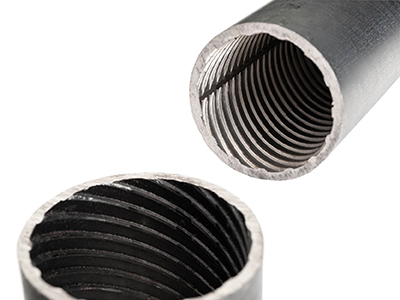
In order to increase efficiency and lower operating costs, many boiler makers are switching to X-ID® enhanced tubing. While X-ID® tubes are beneficial for the end user, they can be challenging to install.
As end users strive for increased heat transfer efficiency, customers are often tasked with building vessels that will withstand heavy use and the test of time. This often results in the use of more wear resistant tube sheet and tube materials, such as Inconel, Hastelloy, and Duplex Stainless Steel. While exotic materials often mean longer tube life, they can take a big toll on expander tool life.
Grooved tube sheets are the standard in most shell and tube heat exchanger applications. Providing both leak protection and improving the tube-to-tube sheet joints, grooves play an important role in prolonging the life of a tube and the efficiency of a vessel. However, in few applications where grooves are not required, there can be challenges during the tube expansion process.