Tube Expander Heat Management: Protecting Your Expander Tools
Taceana Zelaya2026-03-19T08:07:00-05:00Proper tube expander heat management starts with the right lubricant. Learn how to protect tooling, reduce wear, and avoid expensive replacements.
Proper tube expander heat management starts with the right lubricant. Learn how to protect tooling, reduce wear, and avoid expensive replacements.
The burnishing process is a precision cold working method that significantly improves the surface integrity of a material by imparting compressive residual stress. Unlike grinding or reaming, burnishing uses pressure from a hardened roller or ball to plastically deform the surface layer without removing material.
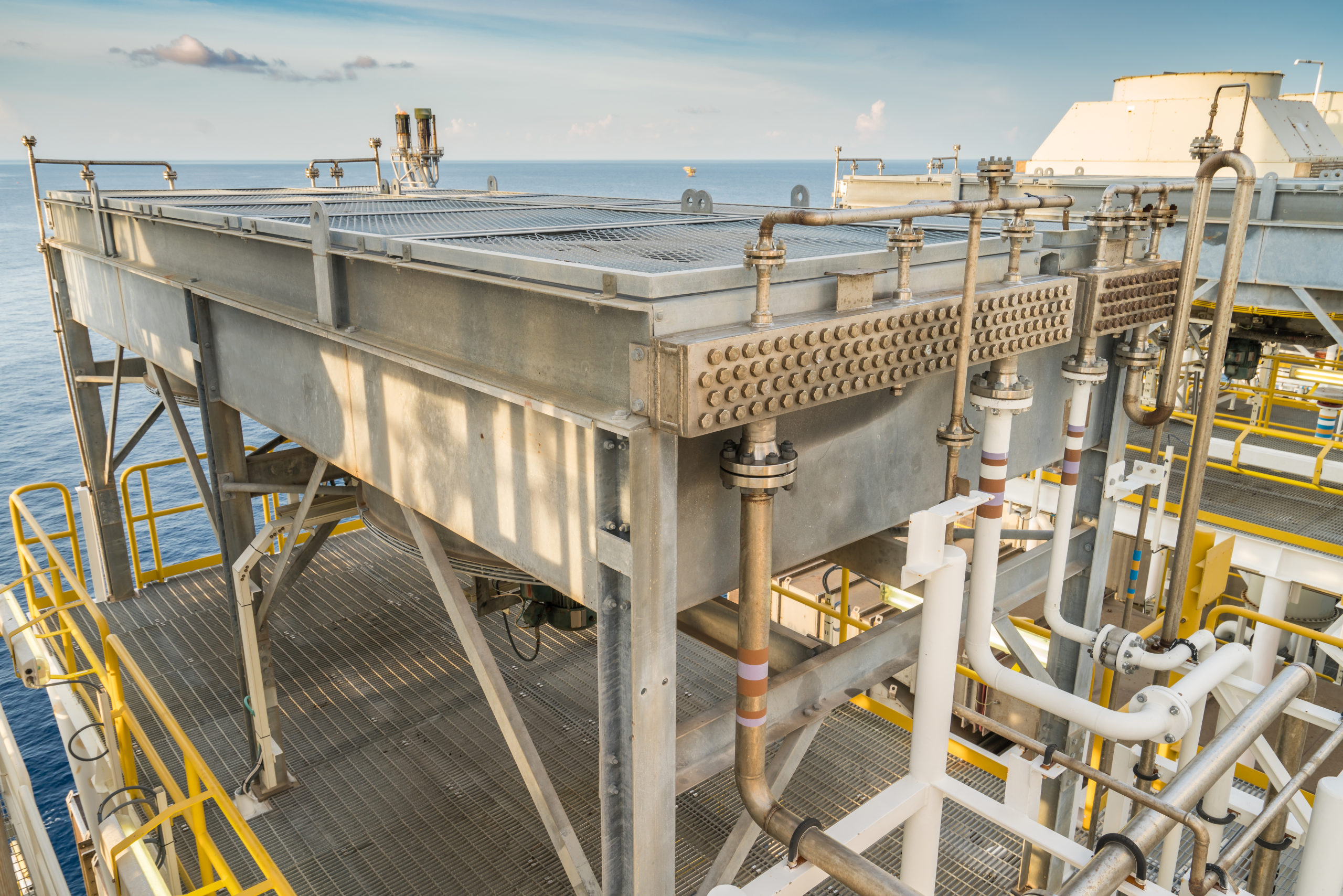
A focused strategy for air cool maintenance that emphasizes proper tooling selection, reliable leak testing, and correct tube plugging methods is essential for maintaining performance and minimizing downtime.
In the demanding world of data centers, where uptime and efficiency are paramount, every component of the cooling infrastructure must perform flawlessly. Heat exchangers and air coolers are mission-critical elements in managing the intense thermal load generated by server racks. Ensuring the longevity and integrity of these units, especially in the areas of mechanical joint integrity, requires meticulous attention to detail. One critical process that is emerging as a trend is the precise finishing of the tube sheet hole IDs.
As the seasons change, many industrial facilities gear up for essential winter shutdowns. These planned maintenance periods, which can span from a week to several months depending on the plant's size and complexity, are crucial for ensuring the reliability, efficiency, and safety of operations for the coming year. A well-executed shutdown plan is key to minimizing downtime and preventing catastrophic failures.
Burnishing stands out as a highly effective finishing method offering significant advantages over traditional abrasive techniques like grinding, honing, and polishing, particularly when focusing on reducing scrap and energy use. This cold-working process utilizes mechanical pressure to displace and smooth a surface, leading to a more efficient, consistent, and sustainable manufacturing operation.
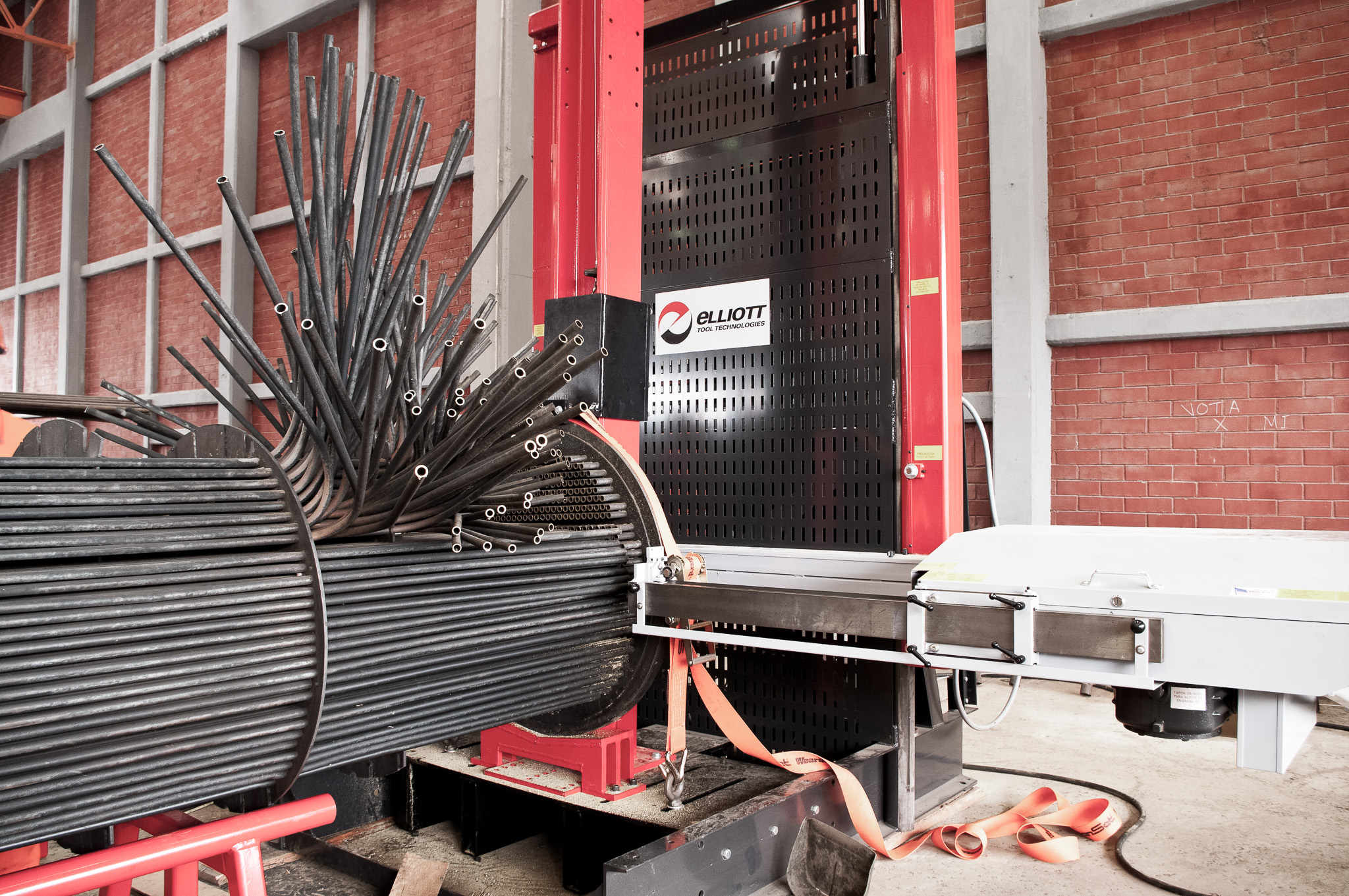
For fabrication shops with large, recurring workloads, the time needed to retube a heat exchanger is a constant drag on productivity. Manual methods of tube removal are time-consuming and labor-intensive, often stretching projects out over multiple weeks. One way to reduce job time is by using a tube bundle cutter or bundle saw. This can dramatically speed up the retubing process, offering significant benefits in terms of time, safety, and ultimately, cost savings.
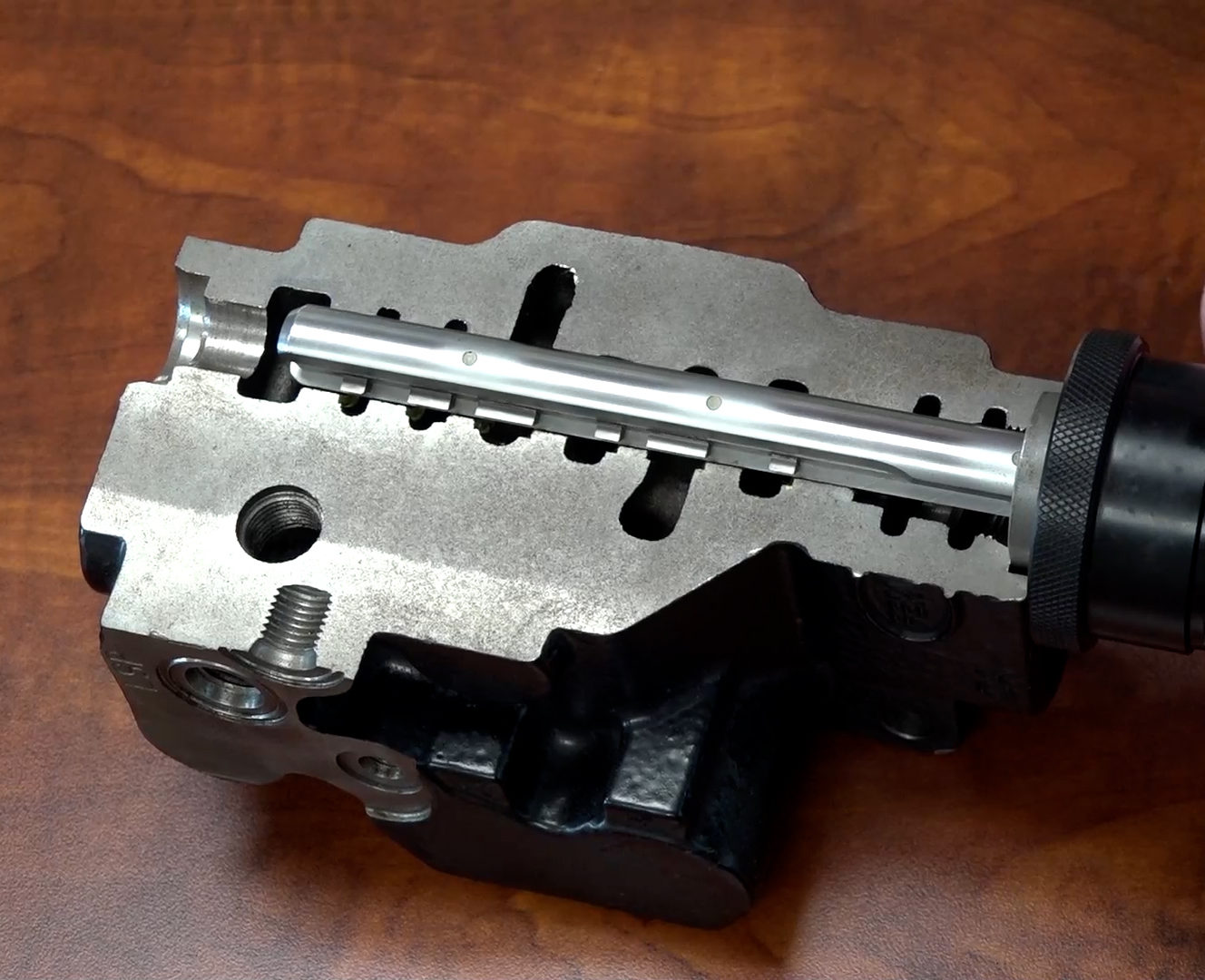
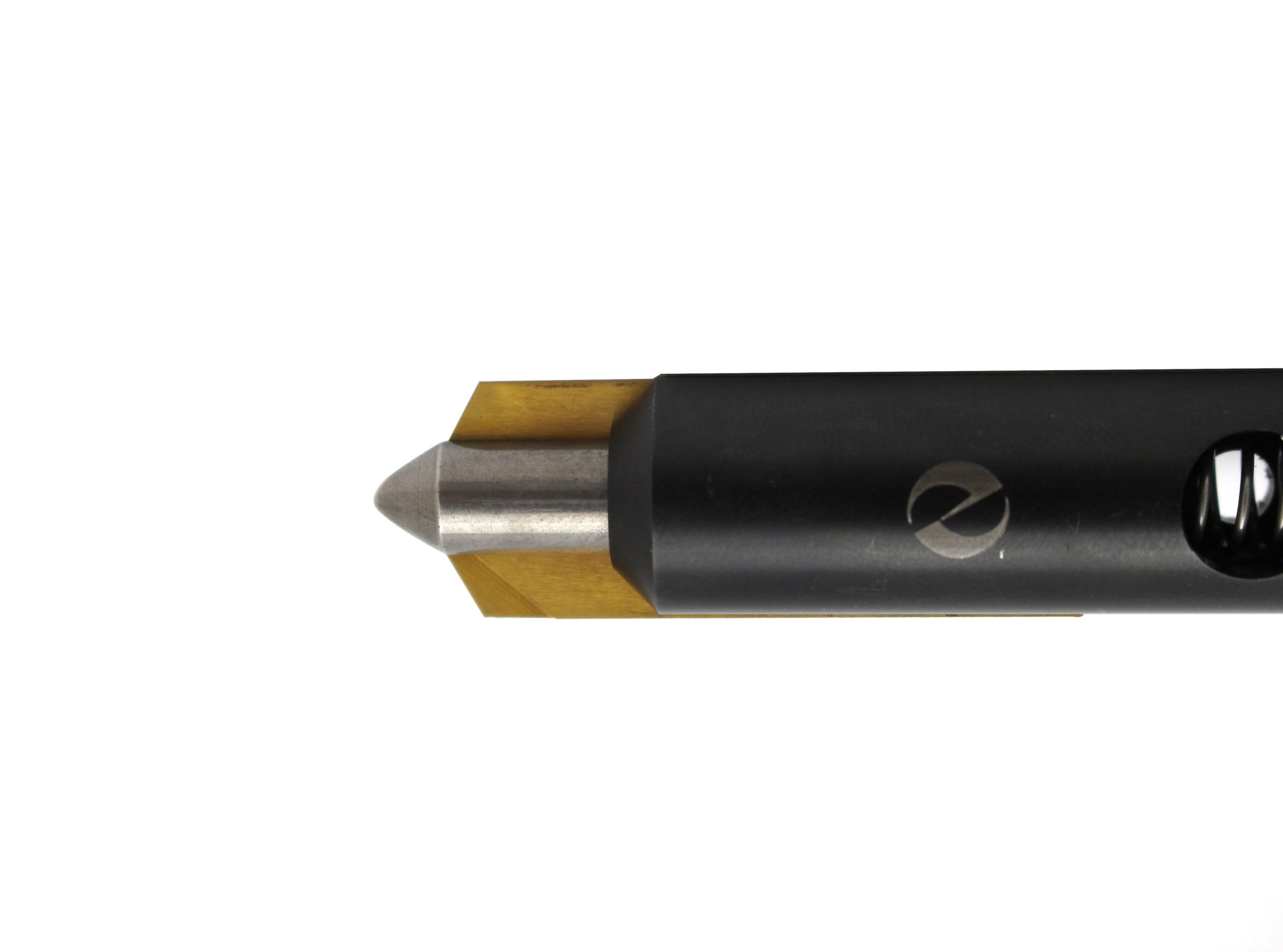
Internal Recessing Units (IRUs) are essential for performing precision cuts in deep bores, a common requirement in hydraulic valve manufacturing. Unlike other cutting tools that risk deflection due to a long reach, IRUs use a piloted cutter design that maintains position in the part, ensuring consistent and precise cuts. The design of these cutter blades is crucial to their performance, with key considerations including material, bore size, and the specifics of the machining process.
Deburring is the process of removing burrs from a part. Burrs are small, unwanted pieces of material left behind after machining, drilling, milling, or cutting. These can be sharp, ragged, or thin slivers of material that stick out from the workpiece. While they may seem insignificant, ignoring them can lead to major issues.
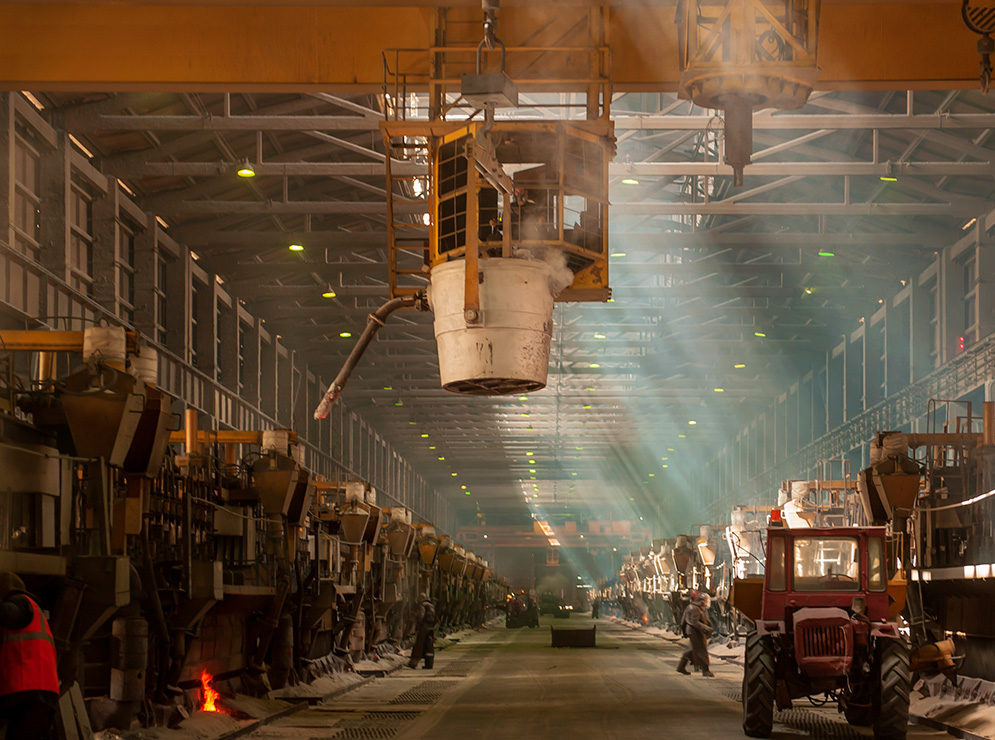
Cleaning aluminum siphon tubes in a smelting environment is a demanding task, fraught with challenges that require a specialized approach. The combination of high temperatures, abrasive materials, and hardened deposits makes this application one of the most difficult in industrial cleaning. Siphon tubes are critical to the casting process, and any remaining buildup can significantly reduce the flow of molten aluminum, impacting efficiency and output. Therefore, a thorough and regular cleaning regimen is important for daily operation.