Expanding Sleeves in Nuclear Heat Exchanger Applications: What You Need to Know

2026-05-20T14:34:38-05:00

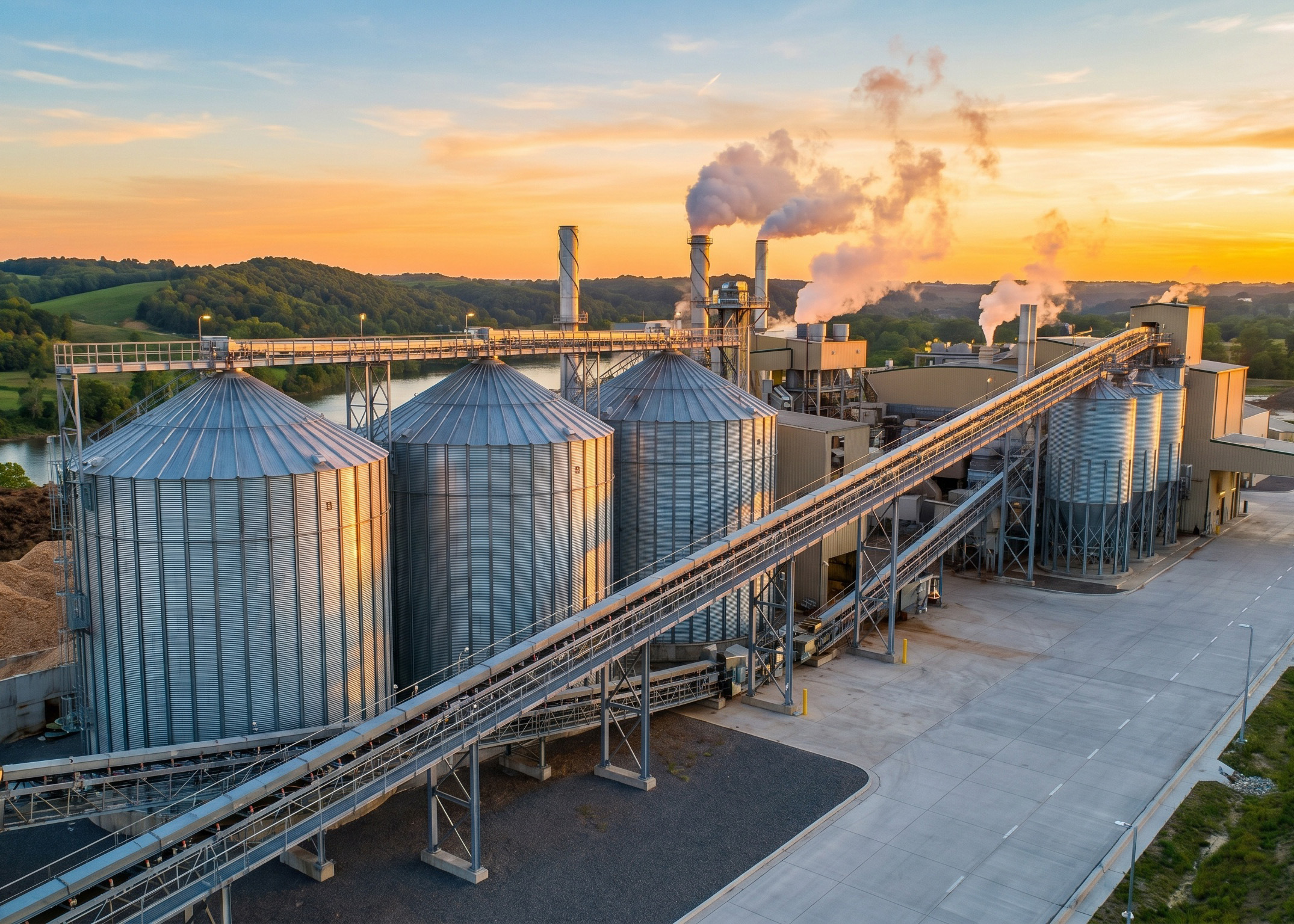
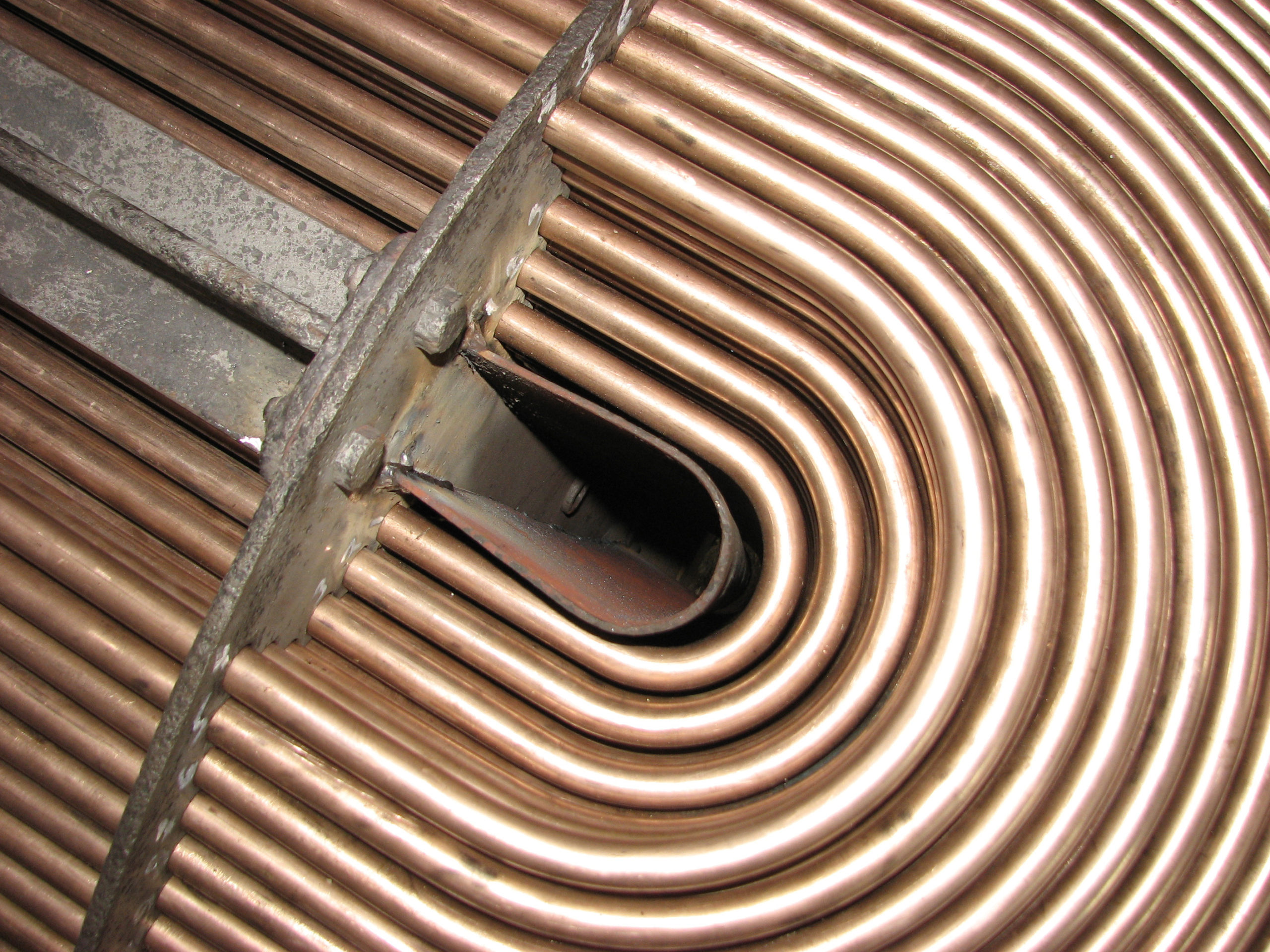
In nuclear heat exchanger applications, there isn't much room for improvisation. The materials are expensive, the access constraints are significant, and mistakes are hard to correct in the field. This article covers what makes sleeve expansion in these settings different and what to account for before tooling is ever specified.

Expanding Sleeves in Nuclear Heat Exchanger Applications: What You Need to Know2026-05-20T14:34:38-05:00

Heat Exchanger Tooling: Headers vs. Channels and How to Choose the Right Tools

2026-06-12T09:55:03-05:00

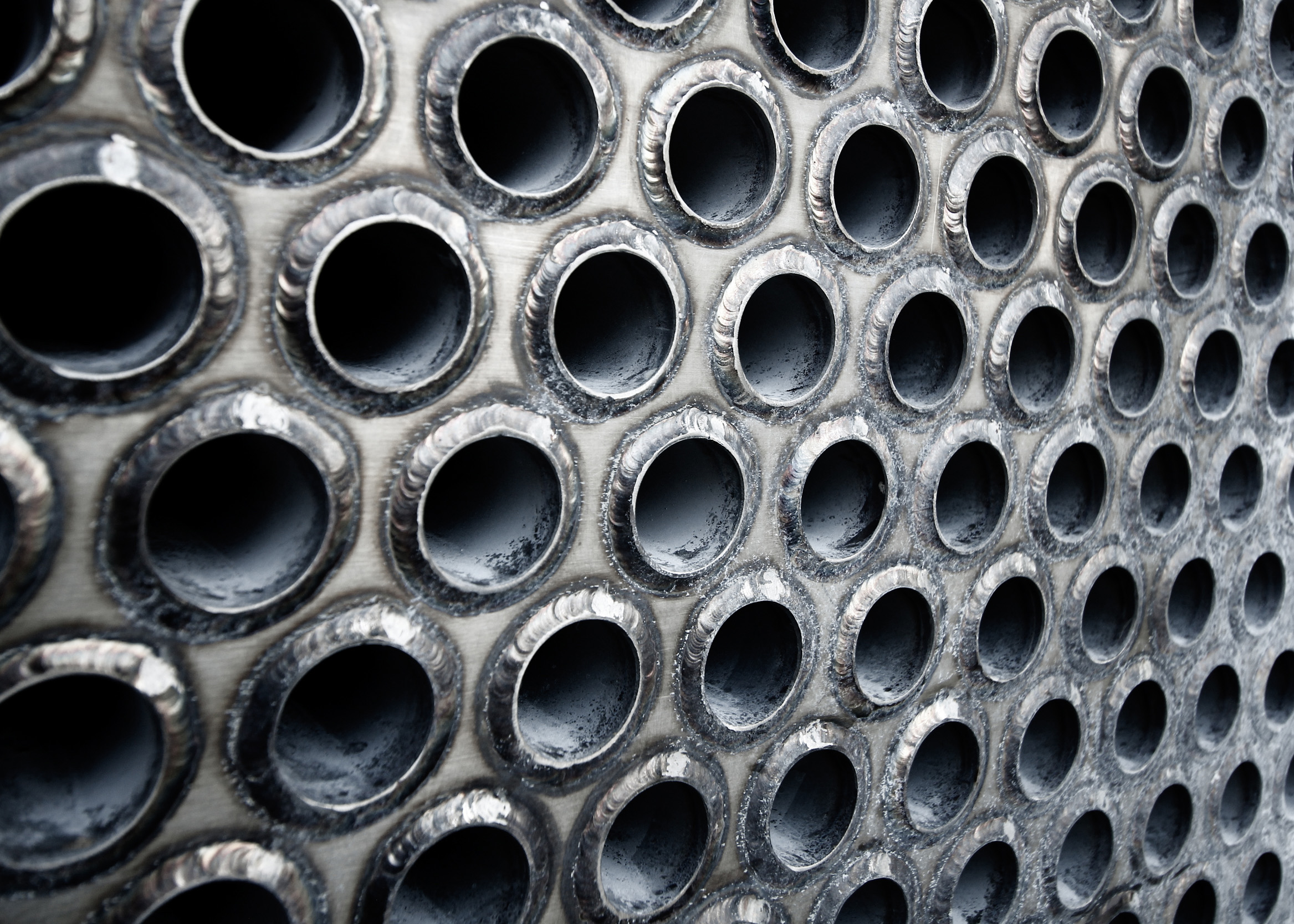
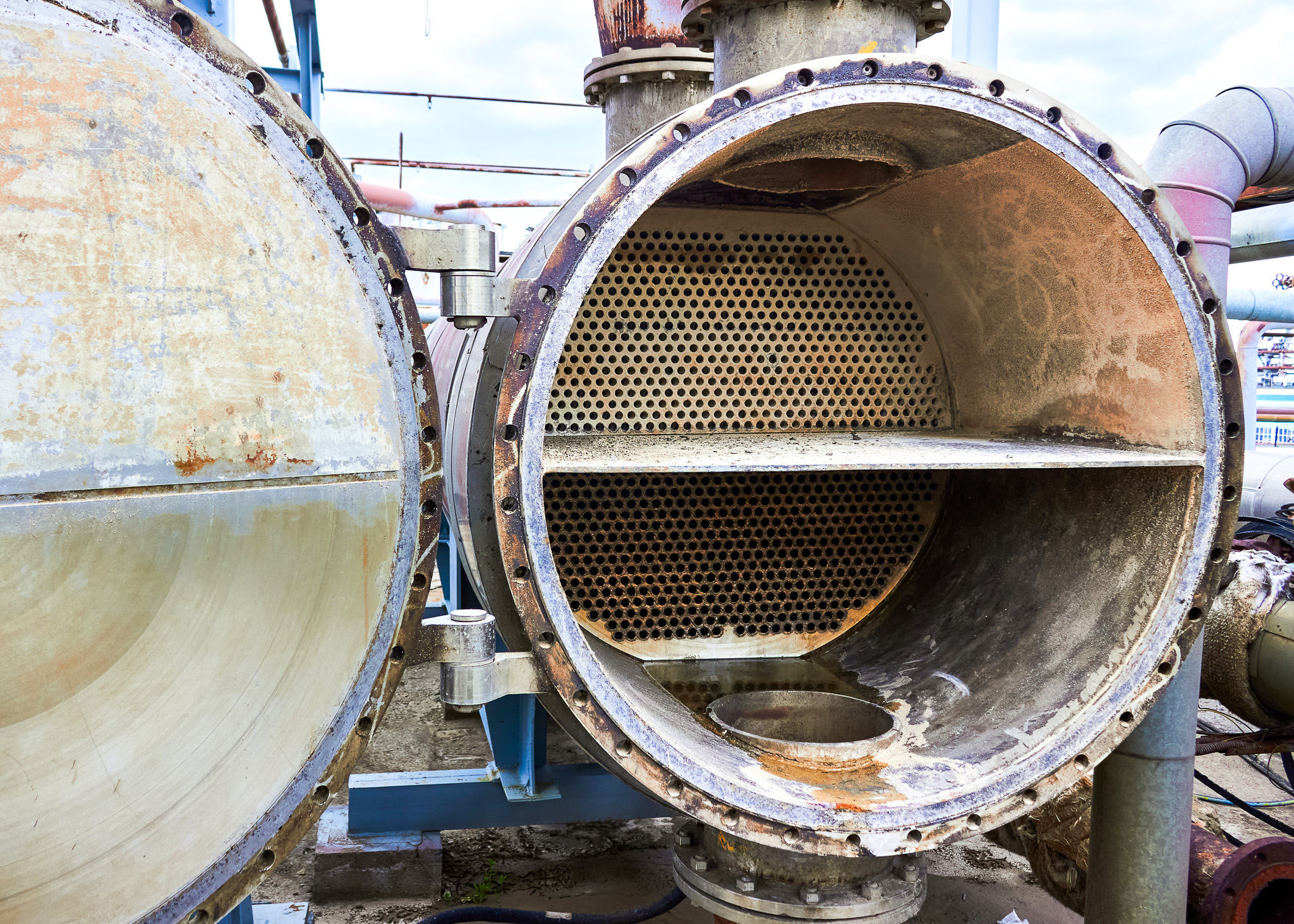
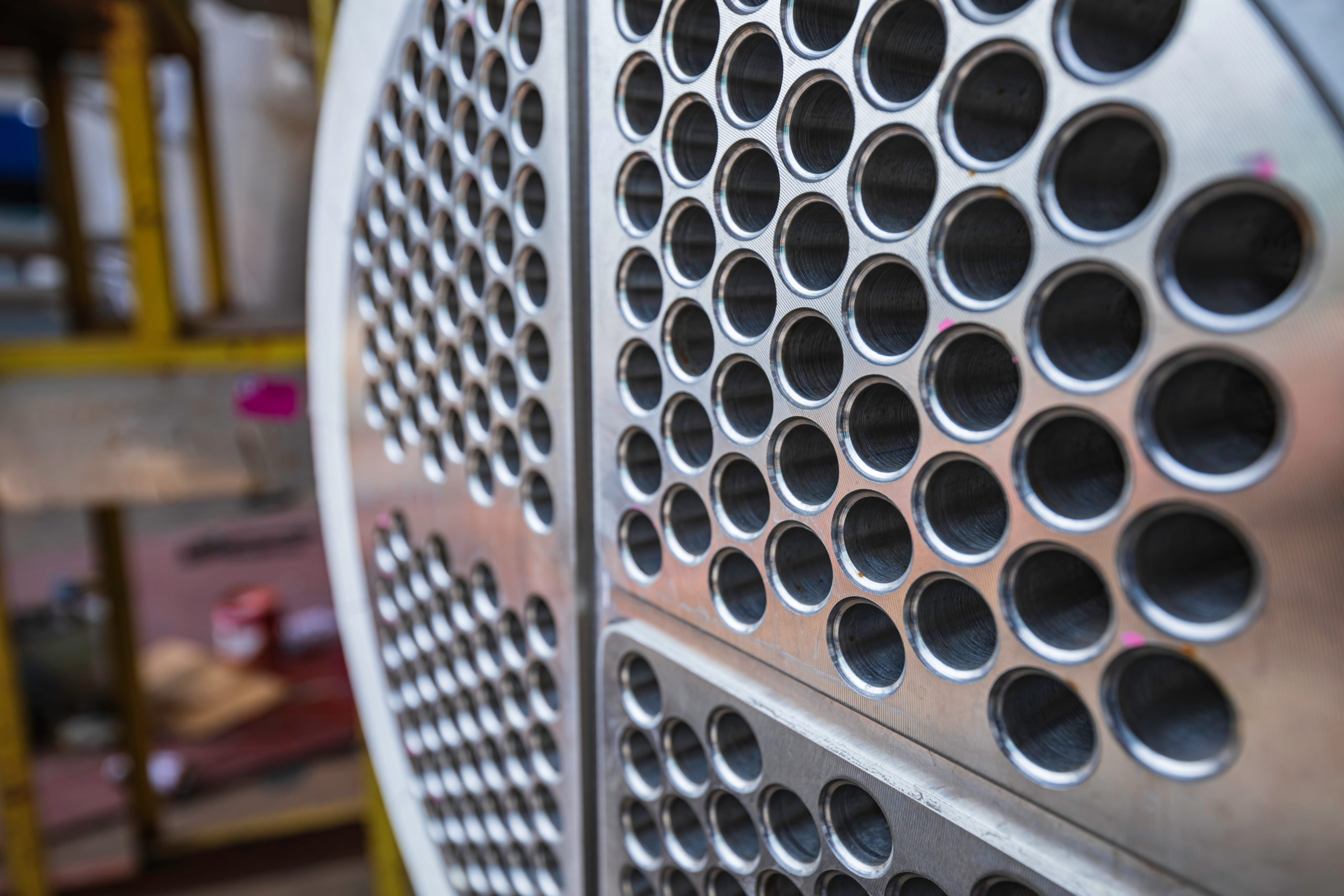
"Header" and "channel" get used interchangeably on job sites, but they describe fundamentally different configurations that require different tooling strategies. Here's how to tell them apart and what each one means for your next job.

Heat Exchanger Tooling: Headers vs. Channels and How to Choose the Right Tools2026-06-12T09:55:03-05:00

The Burnishing Process: Inducing Compressive Stress for Enhanced Durability

2026-02-12T09:33:50-05:00

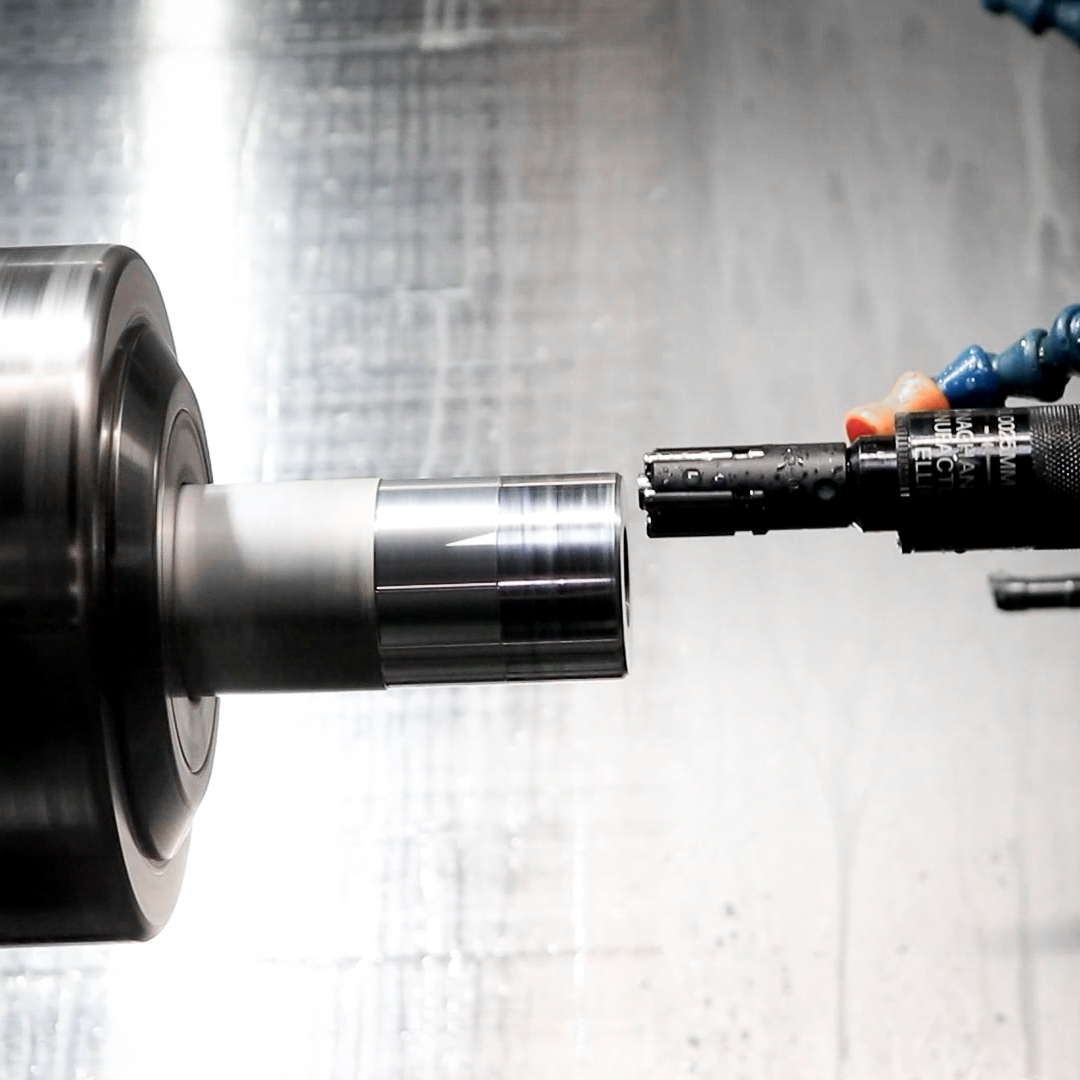
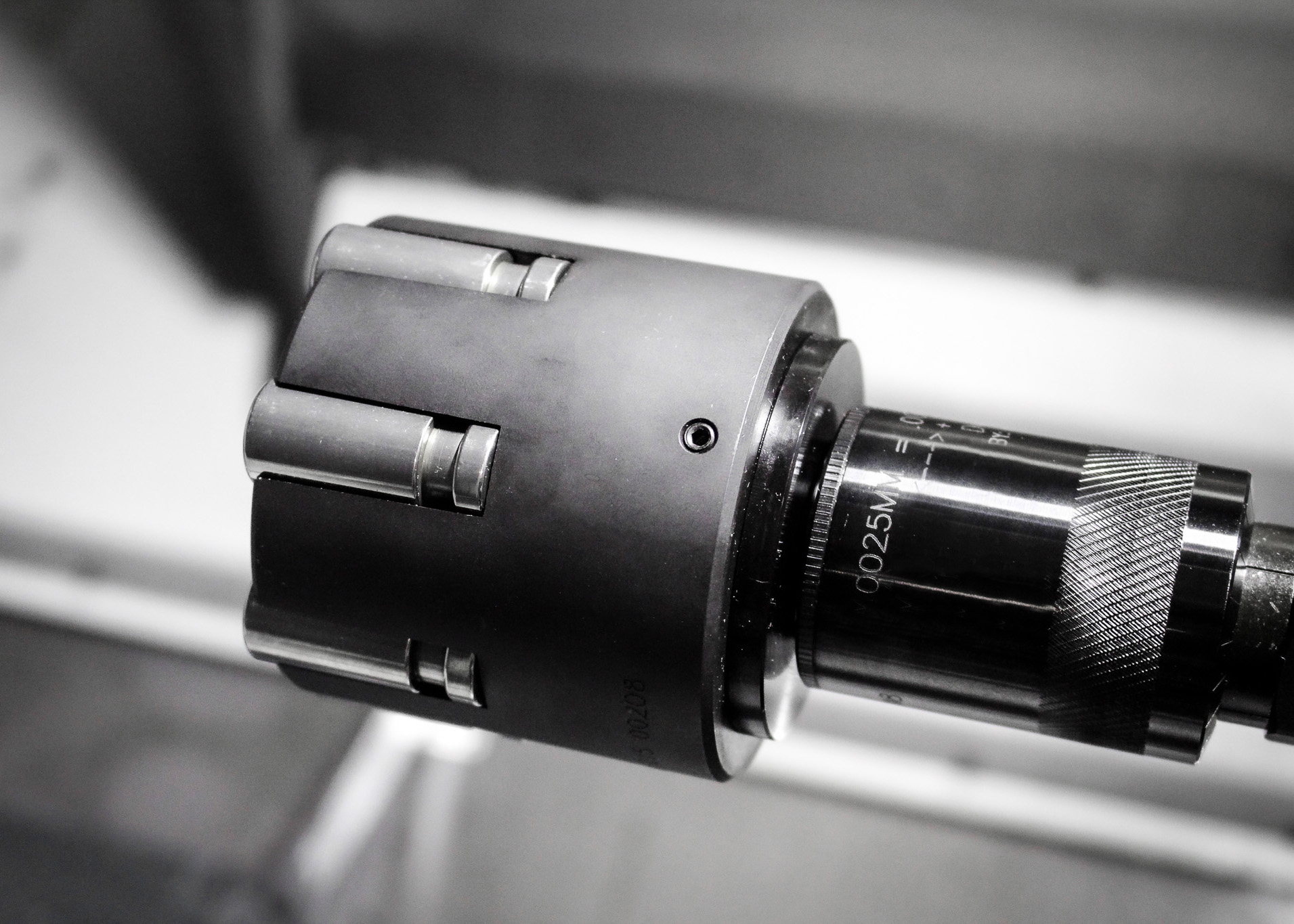
The burnishing process is a precision cold working method that significantly improves the surface integrity of a material by imparting compressive residual stress. Unlike grinding or reaming, burnishing uses pressure from a hardened roller or ball to plastically deform the surface layer without removing material.

The Burnishing Process: Inducing Compressive Stress for Enhanced Durability2026-02-12T09:33:50-05:00
Go to Top