How to Prevent Expander Side Load and Reduce Premature Breakage
Side load is one of the most common causes of premature tool breakage in tube expansion work. It builds up any time the operator doesn’t carry, align, and torque the expander the same way every time. It shows up as worn mandrels, damaged rolls, and tools that break before their expected life. The fix isn’t always the same for every shop. It depends on job size, job frequency, and how much of the physical work is landing on the operator.
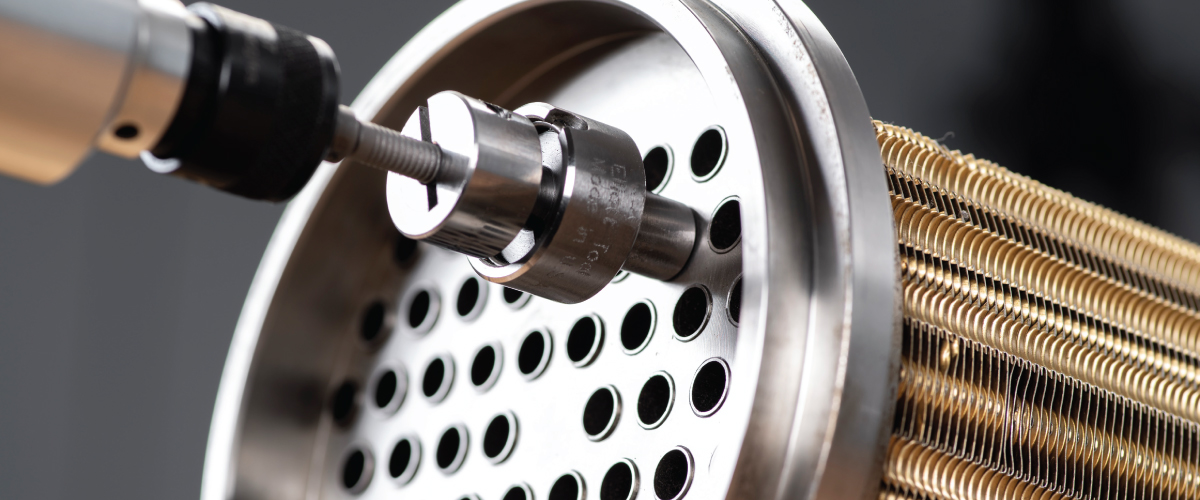
What Causes Expander Side Load
Three things put side load on an expander: lifting the motor and tooling into position, aligning the tooling in the tube, and applying direct torque to the tool, over and over. None of those are one-time events. On a real job, an operator repeats all three hundreds of times. The strain adds up on the tool as much as it does on the operator.
Why Alignment Matters More Than It Looks
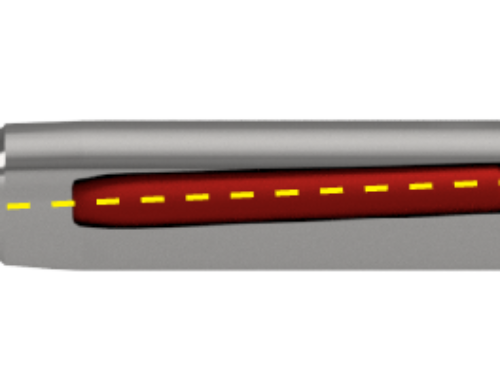
Alignment is the piece operators overlook. If the mandrel sags on the back end of the motor, the self-feeding taper pin won’t work the way it’s supposed to. All three rolls need full contact with the mandrel, and a sagging setup means they don’t get it. That can produce a premature torque-out, where the tool signals it’s done before the tube has reached full expansion.
When Manual Expansion Is Still the Right Call
For small jobs, manual expansion isn’t a problem. A well-trained operator moves through a small job quickly. Without repetitive motion, side load never gets the chance to build. The one thing worth having in the shop regardless of job size is a counterbalance. It’s the single biggest thing an operator can do to control side load during manual expansion.
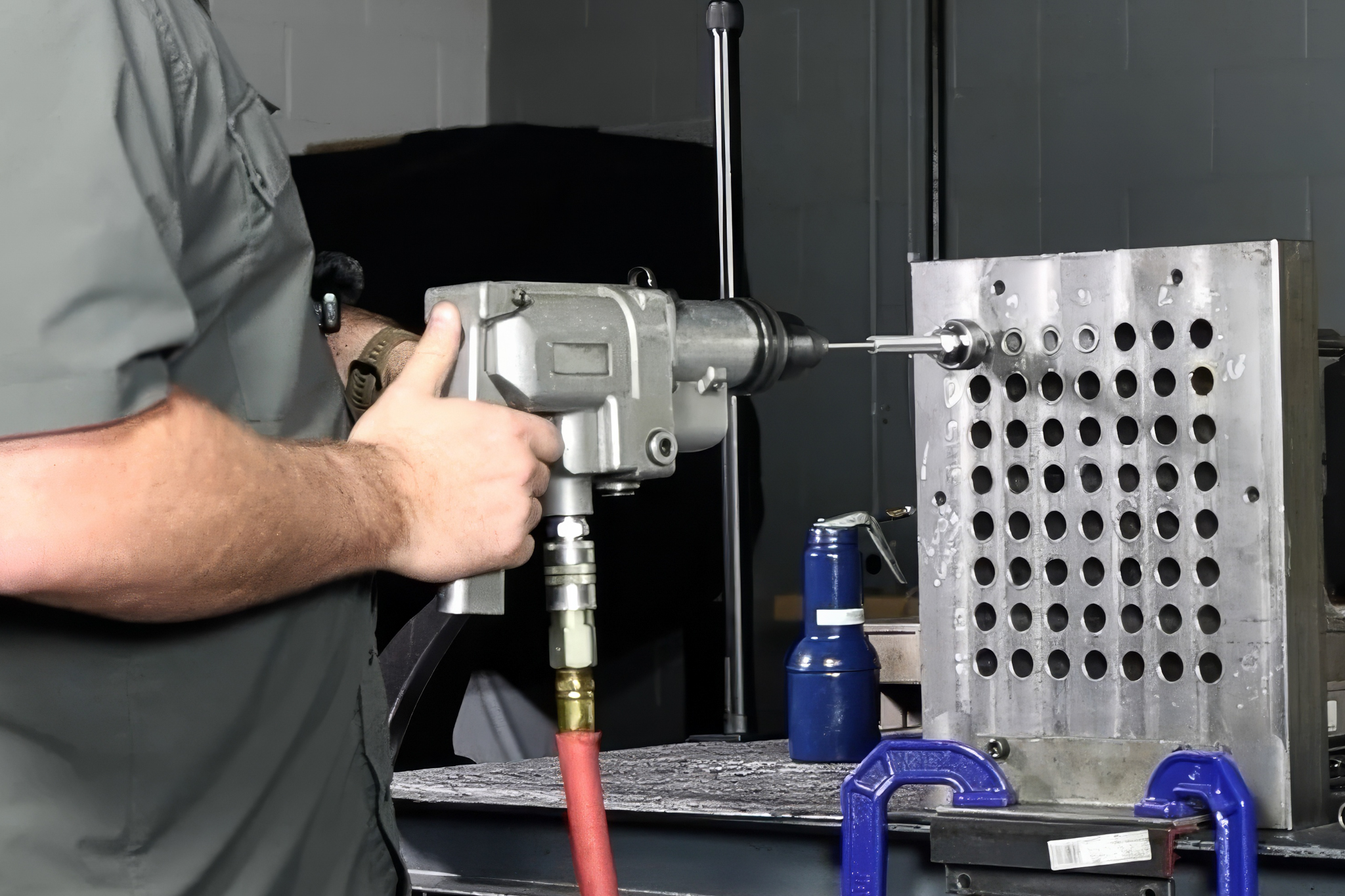
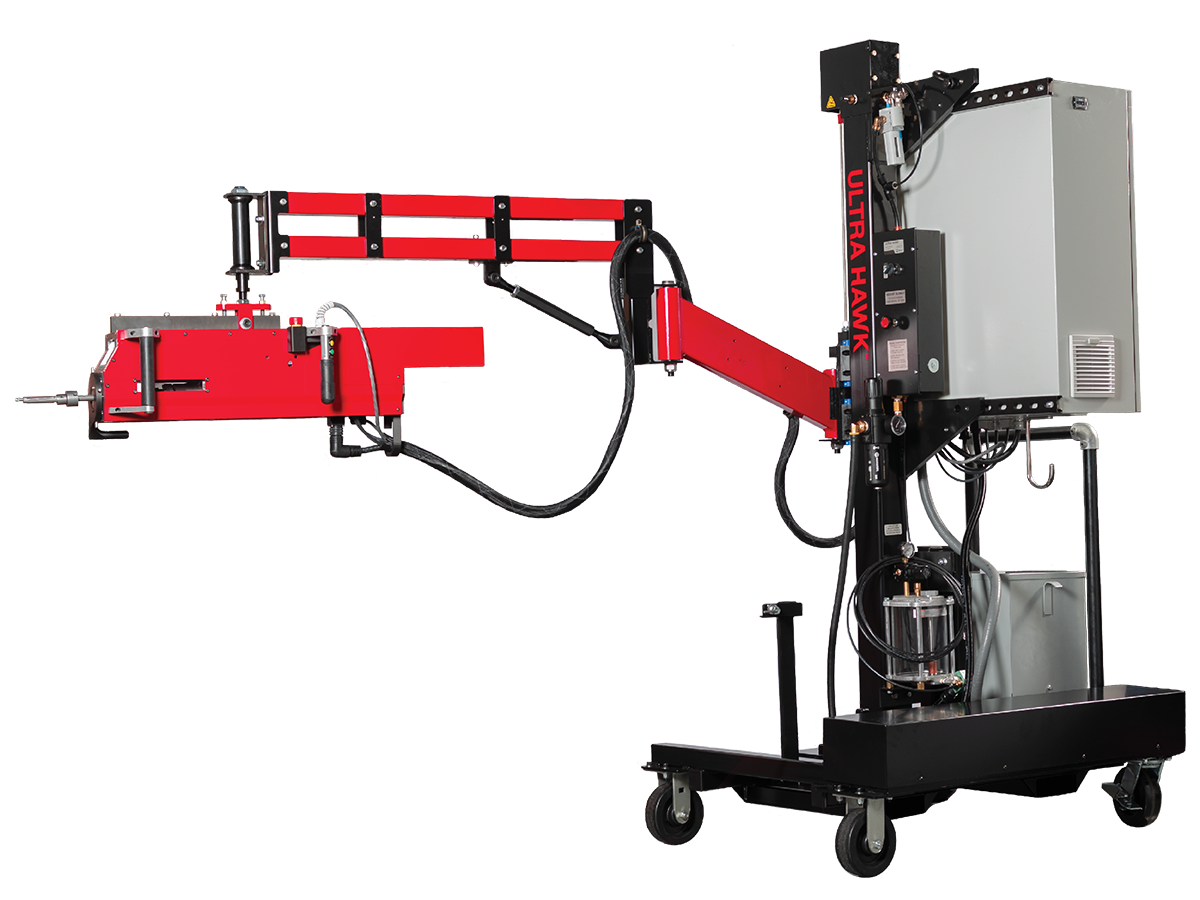
When Job Size Pushes You Toward an Assisted Roll System
Larger jobs change the math. A job of 400 tubes or more can easily run 800 or more individual expansions. Each tube might need two or three operations to finish. Tube count isn’t really the number that matters. Expansion count is, because that’s what the operator and the tool are actually repeating.
Frequency is what turns that math into a decision. A shop might run a job like that two or three times a month. If so, it’s time to start qualifying an assisted roll system.
What an Assisted Roll System Actually Fixes
An assisted roll system takes the motor’s weight off the operator. The operator is no longer carrying it through every cycle. It also keeps the tool aligned with the tube automatically, which covers the torque and alignment side of the strain. Side-to-side positioning still falls on the operator and still needs a counterbalance, even with an assisted system in place. What changes is that the operator is no longer fighting the weight of the motor. The operator is also no longer wrestling with the alignment of the tool at the same time, cycle after cycle.
Matching the System to the Job
Preventing side load comes down to matching the setup to the job. Small, infrequent jobs stay manual with a counterbalance in place. Jobs running 800-plus expansions a few times a month are worth qualifying for an assisted roll system. That’s where the repetitive weight and alignment work starts breaking tools before their time.