Precision In Practice
When To Roll To Torque Vs. Size In Mechanical Joining
Mechanical joining is a fundamental manufacturing process used to create a tight seal between tubular products and their corresponding a fittings or flanges. This method relies on compressing the tube’s outer diameter against a fixed container, forming a secure and leak-tight seal. A key decision in this process revolves around whether to roll to size or roll to torque, each of which offers advantages in certain applications.
Rolling to Size
Historically, rolling to a predetermined size was the more prevalent method. This technique involves an operator expanding the tube to a pre-calculated diameter, often achieved by visual cues or a set mandrel stop that halts the forward travel of the mandrel. Rolling to size depends heavily on tight manufacturing tolerances. Variations in tube thickness, fitting bore, or tool dimensions can all affect seal effectiveness.
Most operators reserve rolling to size for less critical systems and joints where precise groove fill — the extent to which the tube material fills the grooves in the fitting — is less important. This is because it’s challenging to determine the exact groove fill for every part.
Rolling to Torque
For parts used in hydraulic or high-pressure applications, rolling to torque is recommended. Rather than rolling to a predetermined finished size, this method monitors the amount of force applied during expansion until a set value is reached. Electronic torque control works by monitoring the amperage draw of a motor and determines the power needed to reach the desired torque value. Once the motor reaches the power requirement, the control cuts power to the motor.
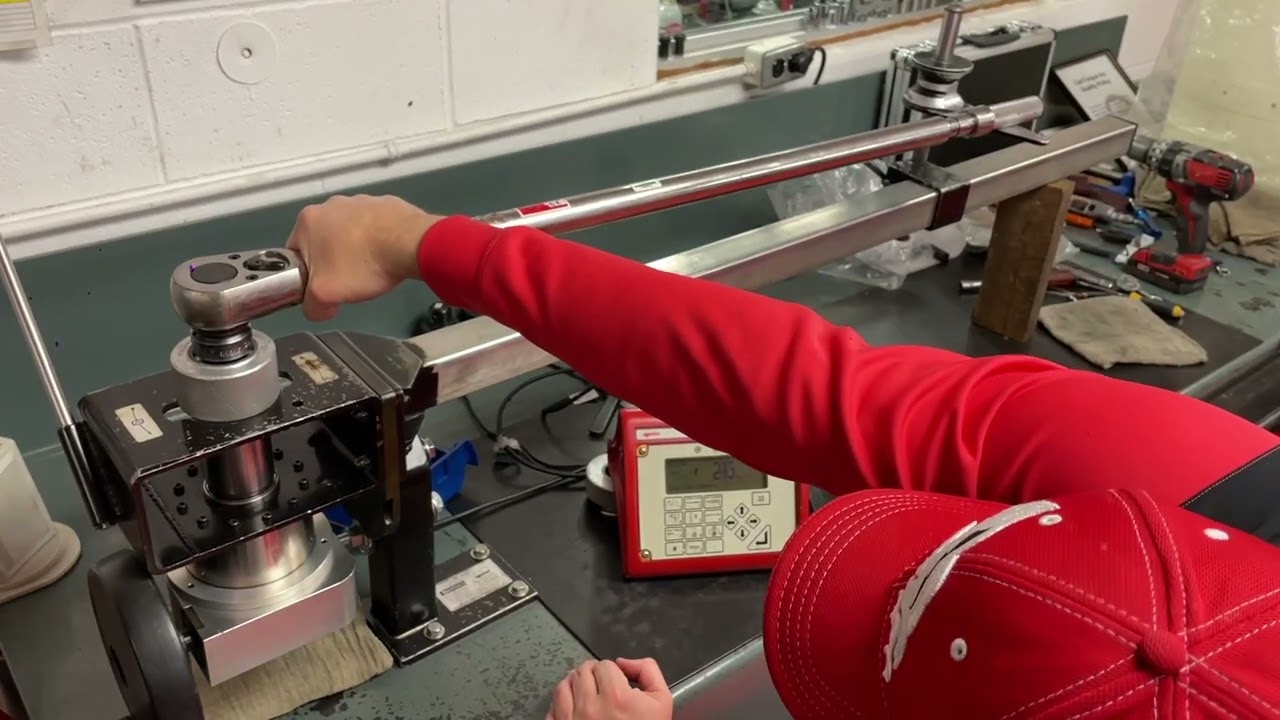
Torque wrenches are another popular and often more accessible option for mechanical joining. These tools, whether utilizing an internal mechanism or an electronic sensor, precisely measure the force being applied. Upon reaching the desired value, the wrench provides a clear digital or audible signal to the operator, indicating expansion is complete.
Regardless of the driving force, rolling to torque compensates for variance in tube sizes, die blocks, fittings, and other manufacturing tolerances. This allows for repeatable and consistent expansions regardless of inconsistencies. The required torque range varies based on material properties, application, part setup, and manufacturing specifications. In critical applications, extensive testing may be necessary to precisely determine the torque value needed to achieve the desired groove fill for an assembly.
Which Method is Right for Your Application?
Overall, while rolling to size offers simplicity for less demanding scenarios, rolling to torque provides the precision and consistency vital for high performance and safety critical applications, ensuring a robust and reliable mechanical joint.
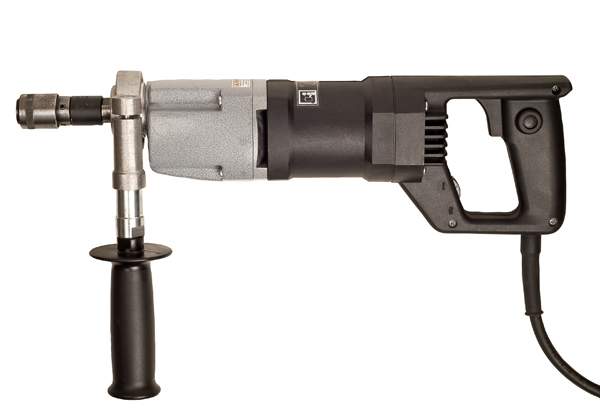
99150 Rolling Series Motor