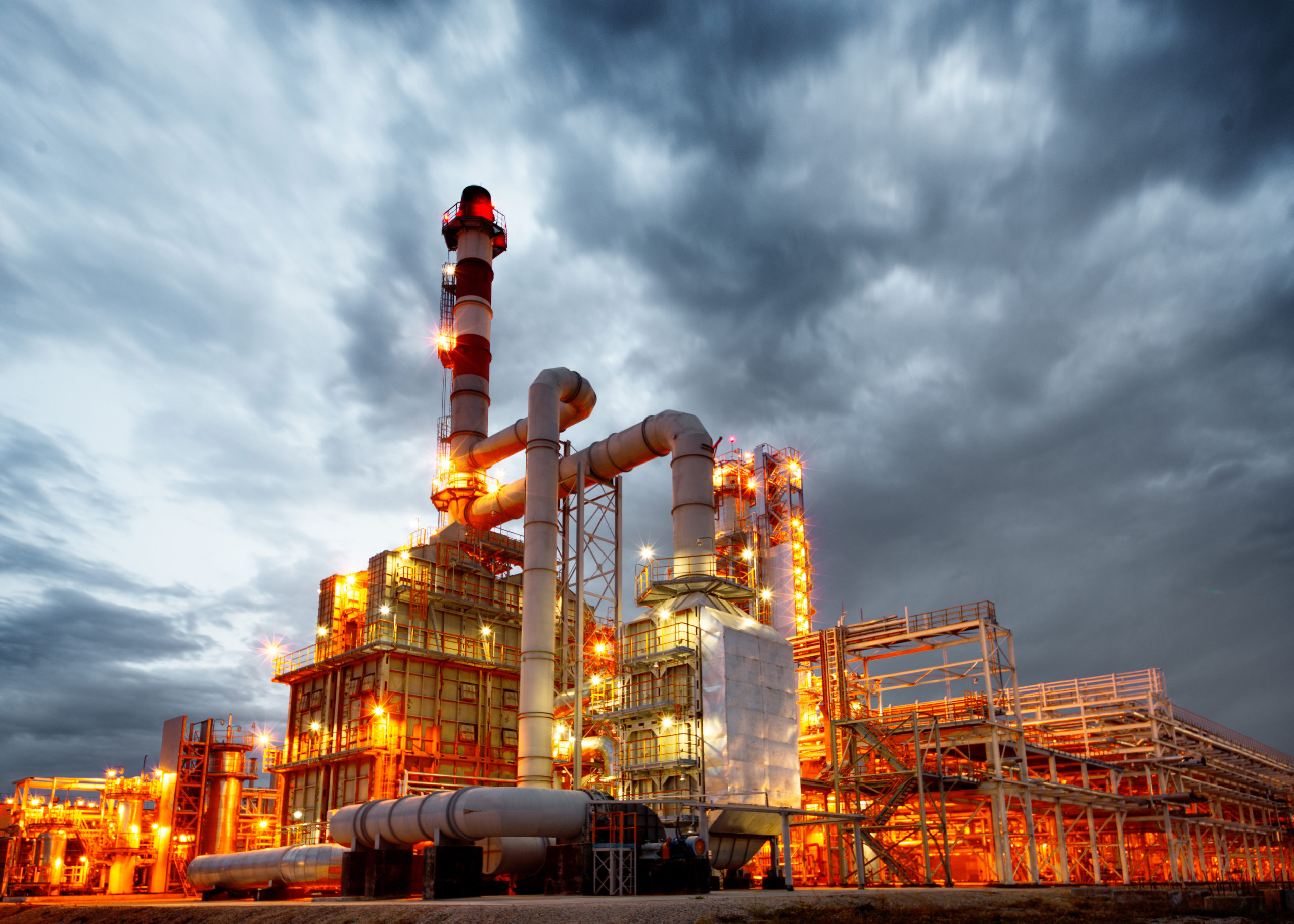
Refinery Summer Turnarounds
June Nguyen2026-07-13T14:56:04-05:00Summer refinery turnarounds carry pressures that other windows don't. Here's what planners and maintenance teams need to know about scheduling, heat risk, and timing.
Summer refinery turnarounds carry pressures that other windows don't. Here's what planners and maintenance teams need to know about scheduling, heat risk, and timing.
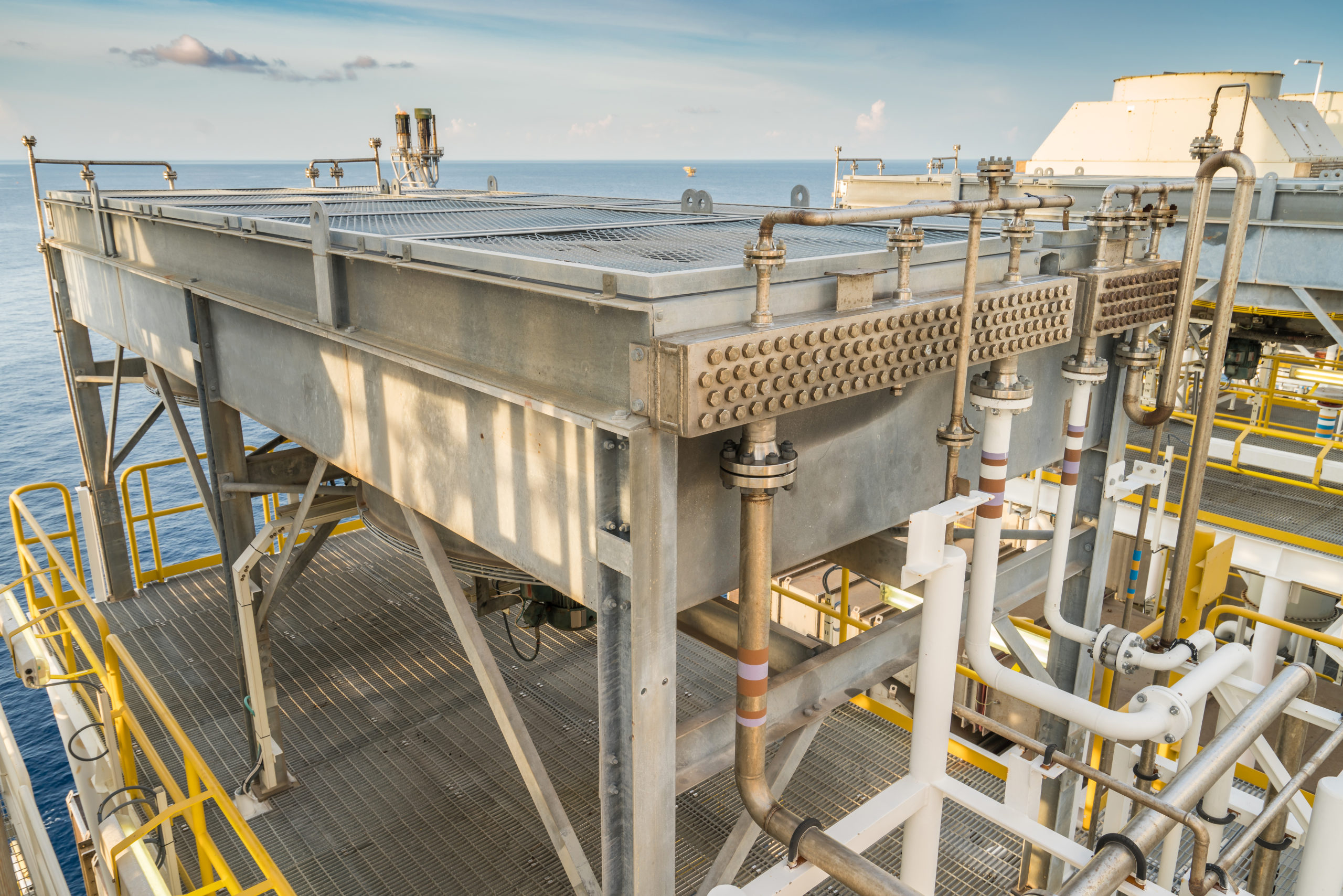
A focused strategy for air cool maintenance that emphasizes proper tooling selection, reliable leak testing, and correct tube plugging methods is essential for maintaining performance and minimizing downtime.
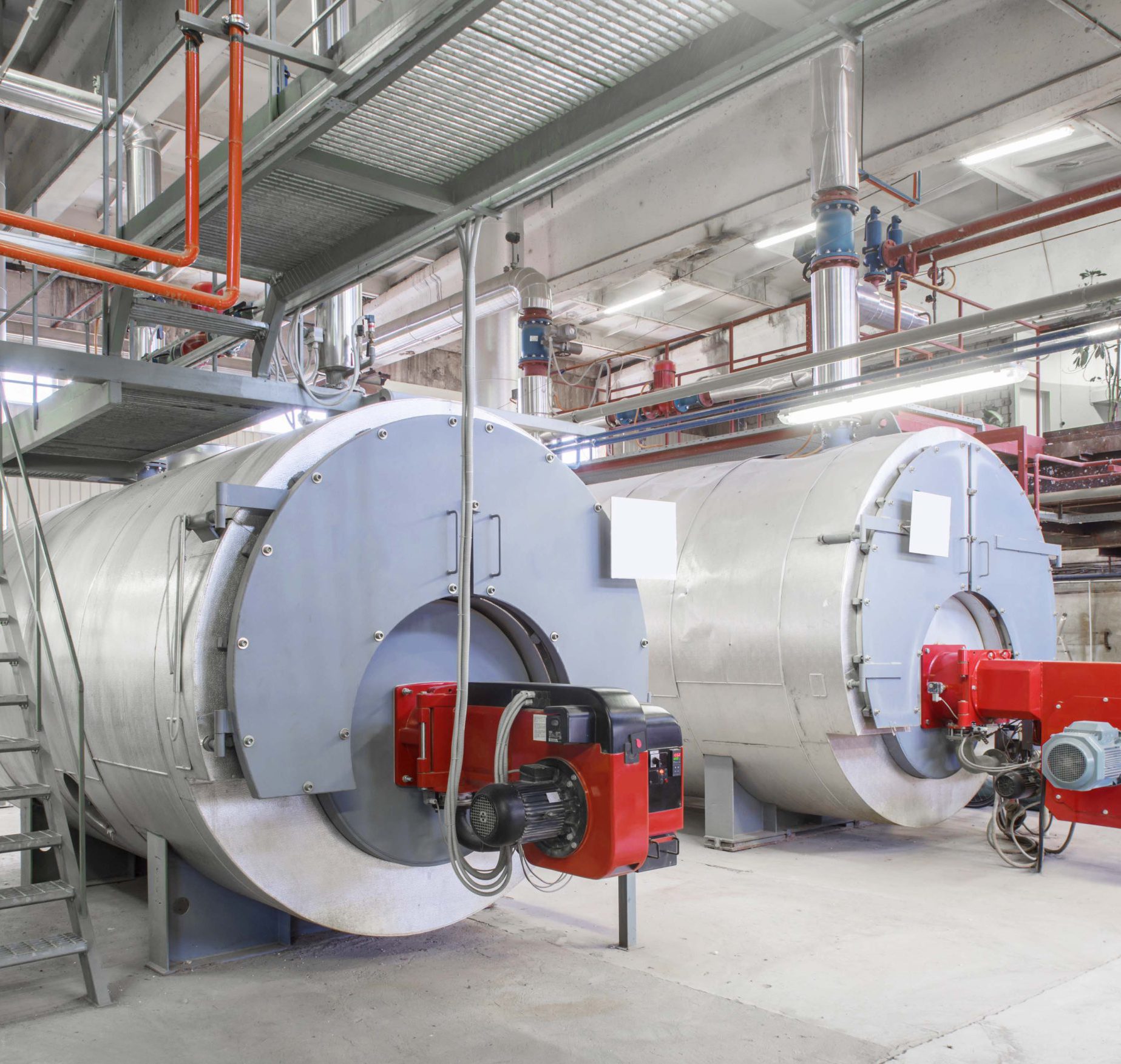
Firetube boilers are workhorses, essential to the daily operations of countless facilities, from industrial plants and hospitals to prisons and residential buildings. Their reliability is critical, as a sudden failure can lead to severe consequences, including forced closures, patient transfers, or massive operational disruptions. Despite their importance, these boilers are often tucked away in hard-to-reach boiler rooms, making routine maintenance an easily overlooked task. However, neglecting a proper cleaning and maintenance schedule is a costly mistake that can lead to significant efficiency losses and catastrophic failures.
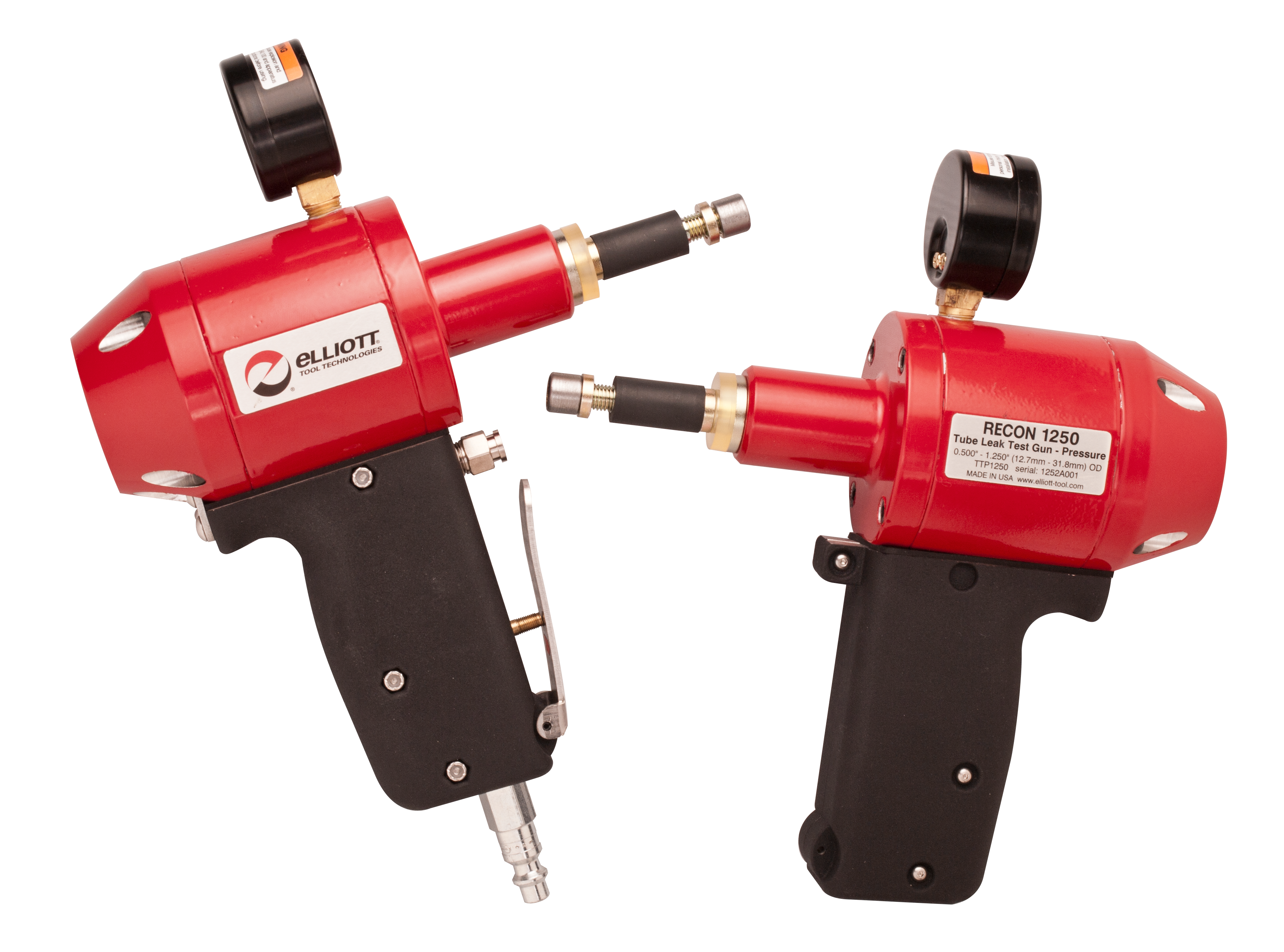
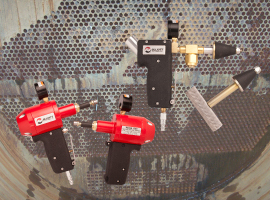
Tube leak testing is a routine practice in heat exchanger maintenance, with handheld test equipment offering a cost-effective and user-friendly solution. Elliott's RECON series tube leak test guns are popular choices for their effectiveness. Understanding the fundamental principles of these devices and recognizing common troubleshooting points can ensure minimal downtime and consistent, accurate results. This guide will delve into the specifics of troubleshooting both the RECON vacuum and pressure-style test guns, along with general best practices for optimal performance.
Stress corrosion cracking is a common tube failure mode in corrosive environments, which can lead to significant downtime and cost. While there are many different factors that can influence the occurrence of stress corrosion, it’s largely related to the amount of stress the tube material is under during fabrication and operation. Optimizing the manufacturing process to minimize residual stress can help reduce the likelihood of stress corrosion cracking from occurring.
Heat exchangers are essential for many industries, but their performance can be significantly impacted by fouling and corrosion. These can lead to reduced efficiency, increased maintenance costs, and potential safety hazards. Understanding the mechanisms, impacts, and prevention strategies for fouling and corrosion is crucial for ensuring the optimal operation of heat exchangers.
To get the best performance out of a vessel it’s important that it maintains necessary operating capacity. While there are several preventative maintenance procedures that can prolong the life of the vessel, eventually a decision on retubing or replacing the unit will need to be made.
Every tubed vessel requires the surface of the tubes to be clean and scale-free to function efficiently and to ensure accurate testing when searching for tube leaks.
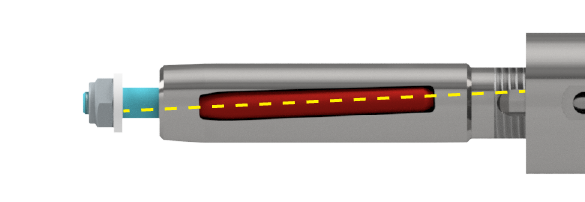
While tube leaks can occur for numerous reasons, one of the most common causes is the formation of holes. Holes can form within a tube as a result of deposit build-up, corrosion, improper cleaning heads being used, and more.