Cutting Down Turnaround Time:
The Benefits of a Tube Bundle Cutter
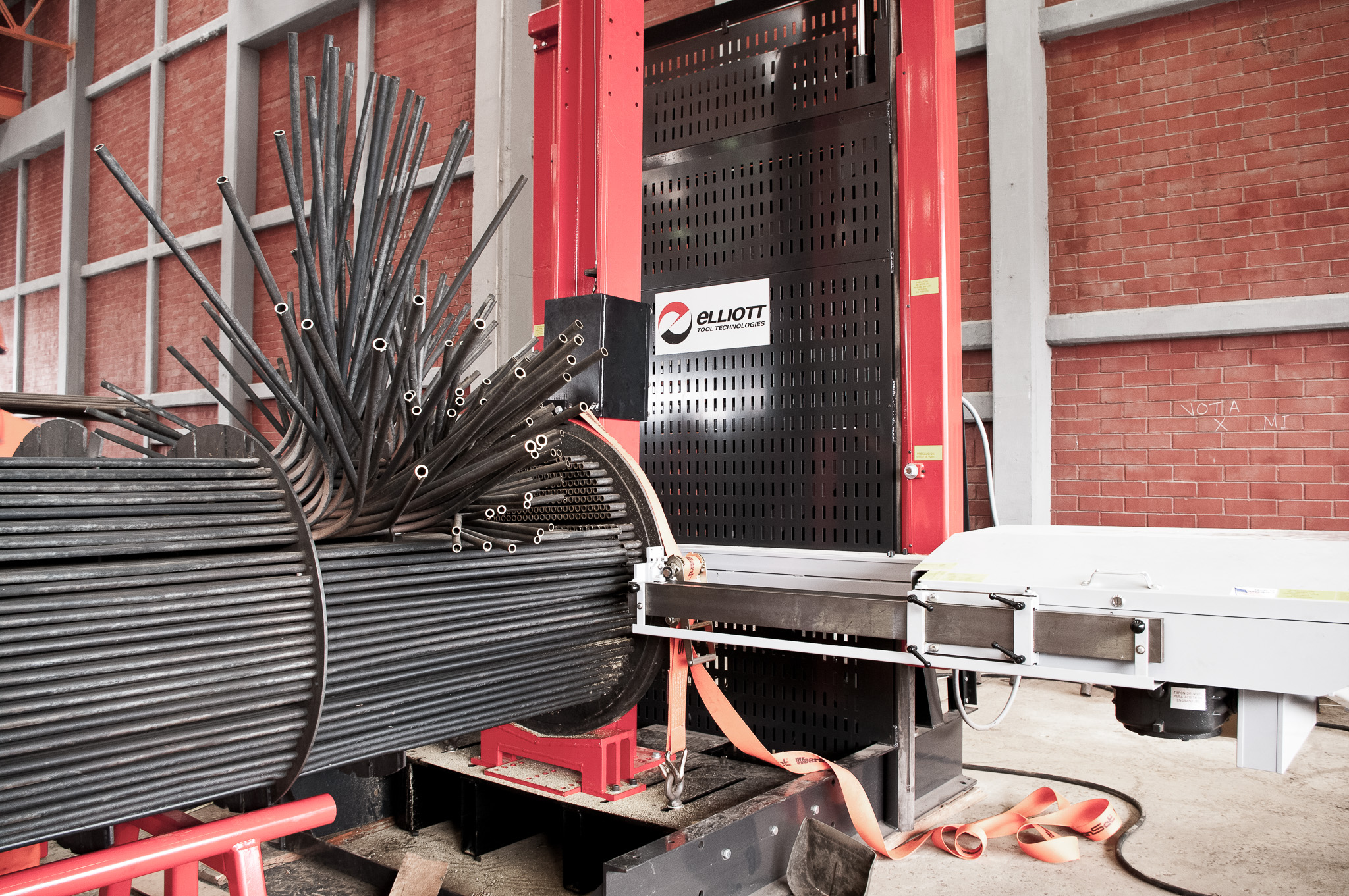
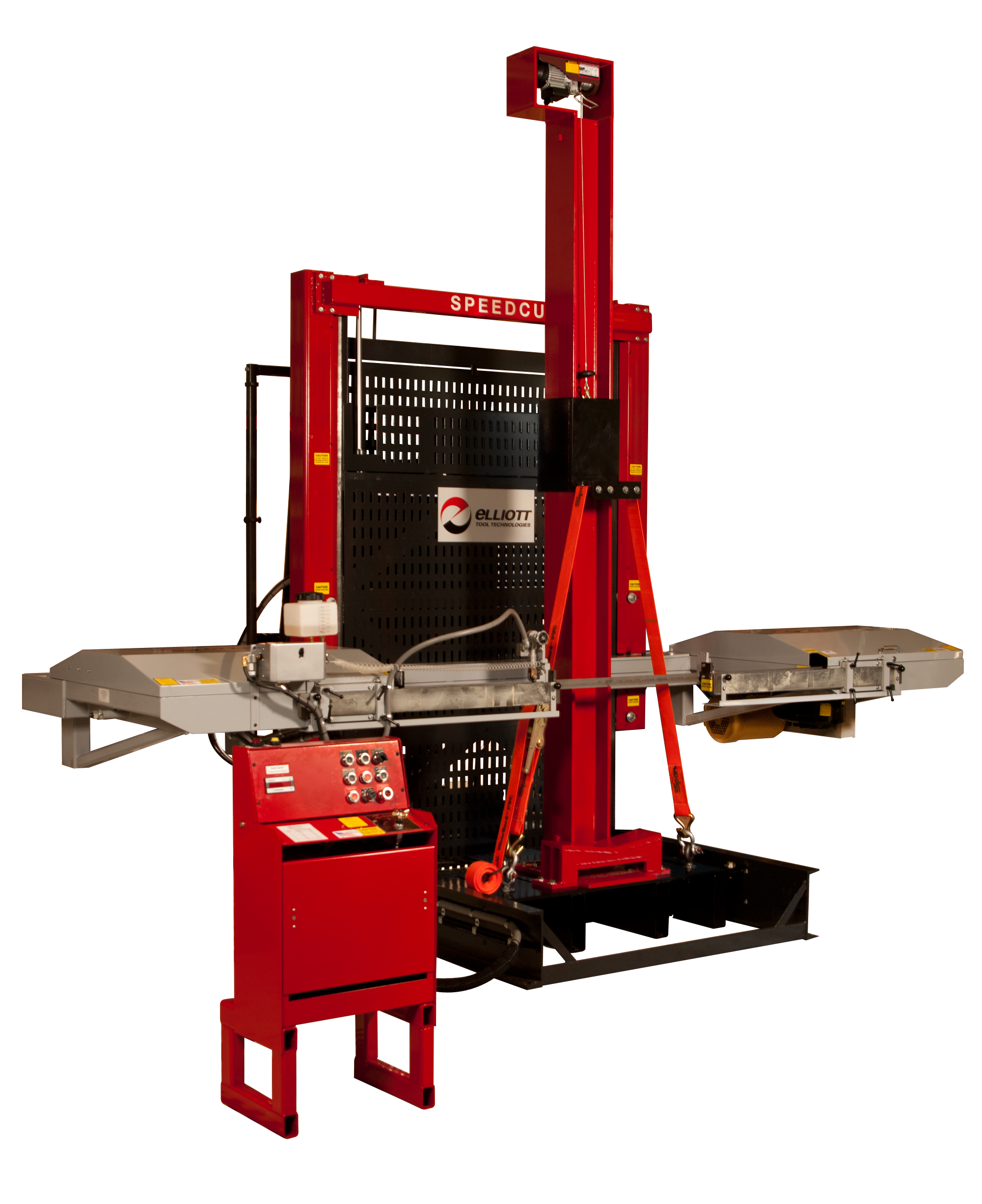
For fabrication shops with large, recurring workloads, the time needed to retube a heat exchanger is a constant drag on productivity. Manual methods of tube removal are time-consuming and labor-intensive, often stretching projects out over multiple weeks. One way to reduce job time is by using a tube bundle cutter or bundle saw. This can dramatically speed up the retubing process, offering significant benefits in terms of time, safety, and ultimately, cost savings.
Why Use a Tube Bundle Cutter?
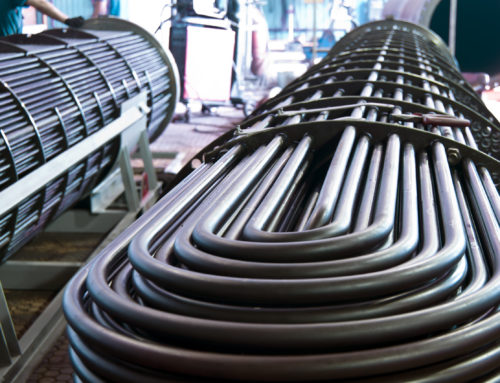
The biggest benefit of using a bundle saw is the drastic reduction in project duration. A large retubing job performed by hand can typically take two to three weeks to complete. This span covers the entire process: pulling the bundle, manually cutting the tubes, pulling tube sections from the baffles, and finally, removing stubs from the tube sheet.
A dedicated tube bundle saw can reduce this two-to-three-week project down to just a few days, with the actual cutting of the tubes often taking only a single day.
This significant reduction in downtime translates directly into cost savings. While a bundle saw represents a considerable capital investment, the return on investment (ROI) is realized quickly through reduced labor hours and increased facility throughput. The key metric to focus on is the time it takes to prepare and clear the tube sheet. If a shop is performing multiple retubing jobs a week, the speed and efficiency gained will easily justify the expense of the saw itself.
Beyond speed, bundle saws offer an inherent safety advantage by mechanizing a process that is traditionally filled with manual cutting and heavy lifting, reducing the potential for strain or injury to personnel.

The Process: Using the Tube Bundle Cutter
Using a tube bundle cutter is a streamlined process that, when executed correctly, ensures a fast and clean separation of the tubes from the tube sheets.
Preparation and Setup
The process begins even before the bundle reaches the saw. The outside diameter (OD) of the vessel and tubes must be thoroughly cleaned to remove any large amounts of debris, scale, or leftover chemicals. This is a crucial step for facility safety and to prevent contamination.
Once clean, the bundle is transported to the saw and secured. The bundle is clamped and precisely leveled, ensuring full support across the entire length of the unit. Proper leveling is critical; if the unit is not level, the saw blade will face unnecessary resistance from pulling forces during the cut. This resistance can slow the cutting process and potentially lead to premature blade breakage.
The Cut
With the bundle secured, the saw is used to cut the tubes behind the tube sheet on the first end. Once the tubes are cut, the loose ends are often tied together to prevent them from pulling apart or shifting. The entire unit is then flipped, and the tubes are cut from behind the tube sheet on the other end, completely separating the tubes from both sheets.
Stub Removal and Reassembly
With the bulk of the tubes removed, the next step is clearing the tube stubs from the sheets. One of the fastest and safest methods is utilizing a collet-style puller. This tool grips the internal diameter of the stub and pulls it out, preventing any potential tube sheet damage and allowing for quicker removal. A knockout tool can also be used as an alternative or supplementary method to dislodge any remaining stubs.
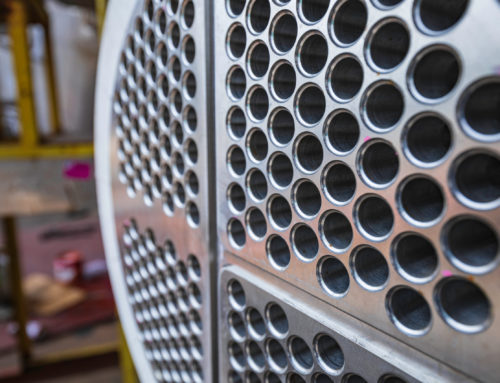
Once the tube sheets are clear, they can be cleaned up, measured, and have the tube holes resurfaced and prepared for new tubes. Some customers will also request that the remaining tube sections be pulled from the baffles so that the baffles can be reused, depending on their condition, material, and the cost to replace them.
Overall, utilizing a tube bundle cutter can significantly reduce job duration, increase operator safety, and drive shop throughput, providing a true competitive advantage.
Learn more about Elliott’s bundle cutter, the SpeedCut, here: https://www.elliott-tool.com/speedcut/