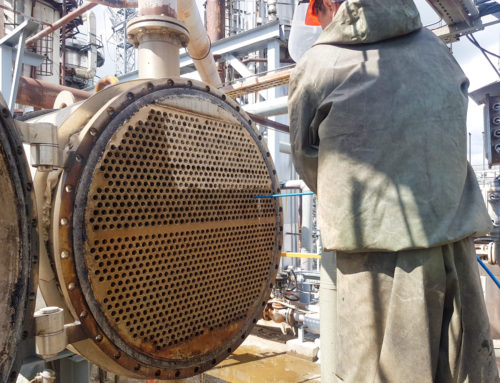
Using Condenser Tube Flaring to Enhance Flow and Reliability
Condenser tubes are the backbone of large-scale heat transfer systems. How you treat their inlets directly affects efficiency and lifespan. Flaring or belling condenser tube ends is a proven technique that promotes laminar flow, prevents inlet erosion-corrosion, and protects your investment long-term.
Why Tube Inlet Geometry Matters
When cooling water enters an unrolled tube end, the sharp edge creates turbulence. That turbulence:
- Increases friction and reduces heat transfer efficiency
- Accelerates inlet erosion-corrosion
- Shortens tube life
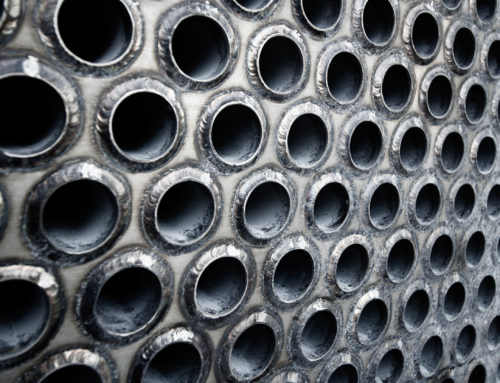
Condenser tube flaring solves this by creating a smooth, gradual funnel at the tube opening that guides fluid in evenly and reduces erosion patterns at the most vulnerable point.
Flare vs. Bell: Know the Difference
Two geometries are used for tube end shaping, and each requires different tooling:
| Geometry | Profile | Shape |
|---|---|---|
| Bell End (Belling) | Curved outward projection | Smooth radius |
| Flare End (Flaring) | Straight-angled projection | Consistent cone angle |
Always specify the correct geometry when ordering tooling. The internal profile of each tool is different.
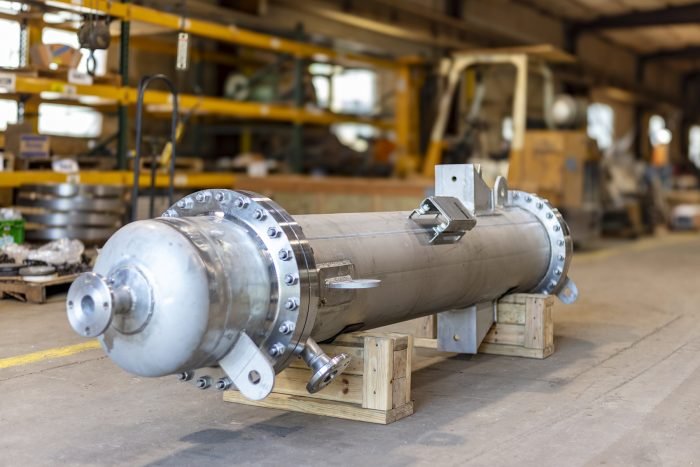
APEX Condenser Heat Exchanger
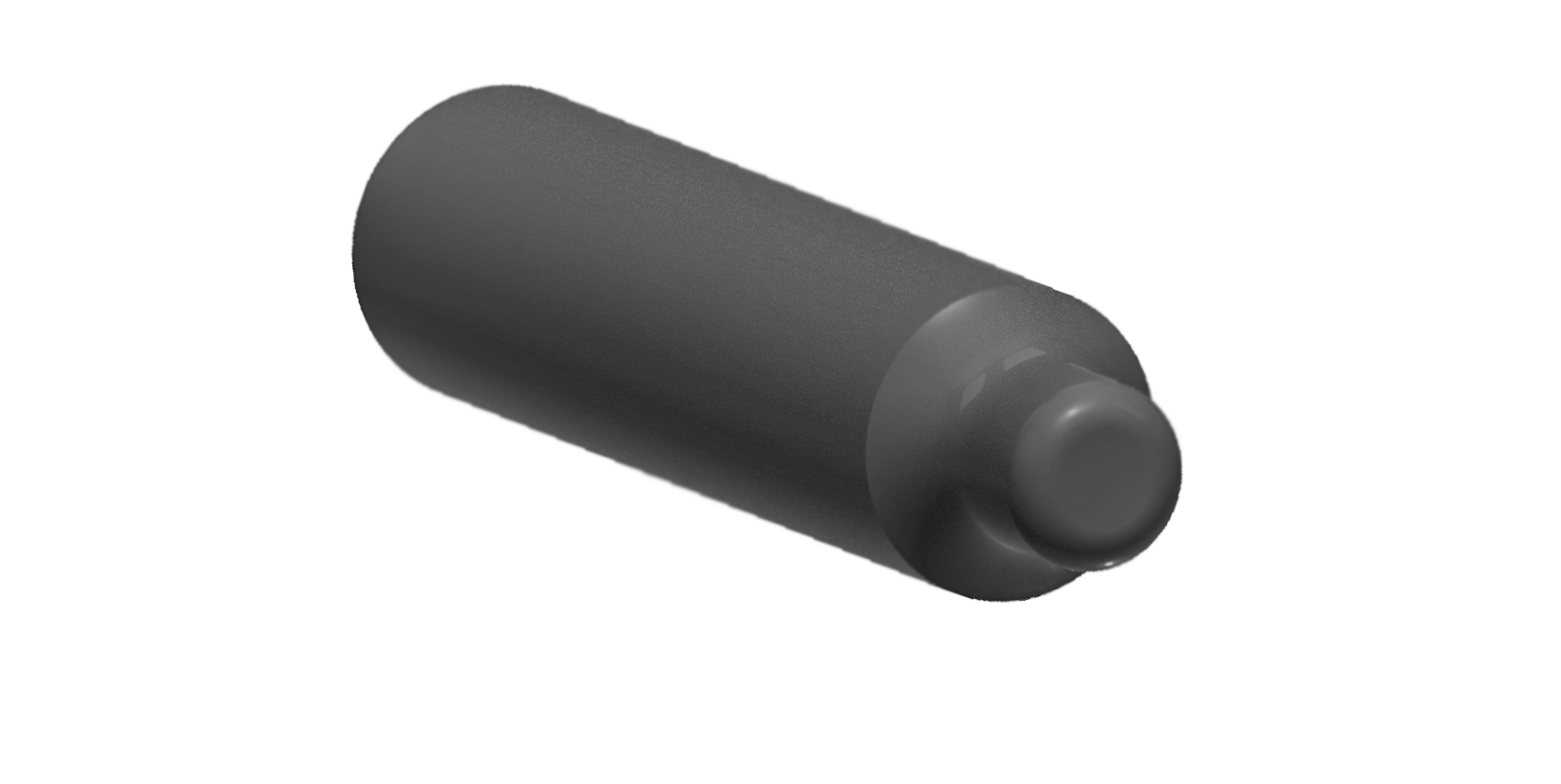
Belling Tool
The Condenser Tube Flaring Process
Flaring is a multi-step sequence. Skipping steps risks joint failure.
1. Set tube projection: Tube should extend ~3/16” past the tube sheet face (confirm with manufacturer drawings).
2. Tack expansion: Lightly roll the tube to secure it in the tube sheet without full wall reduction.
3. Flare or bell: Apply the specialized flaring or belling tool to shape the tube projection.
4. Hard rolling: Complete the final expansion to achieve the required wall reduction and a permanent, leak-tight seal.
Optional: Adding a Bead Weld
For high-pressure or critical applications, a bead weld around the tube end where it meets the tube sheet face adds a secondary leak barrier and increases joint strength.
Bottom Line
Proper condenser tube flaring is more than a maintenance step. It’s a strategic decision that protects tube integrity, maintains thermal efficiency, and extends system life. Precision in geometry selection and process execution pays dividends over the life of the condenser.