Precision Finishing Tube Sheet Holes in Data Centers
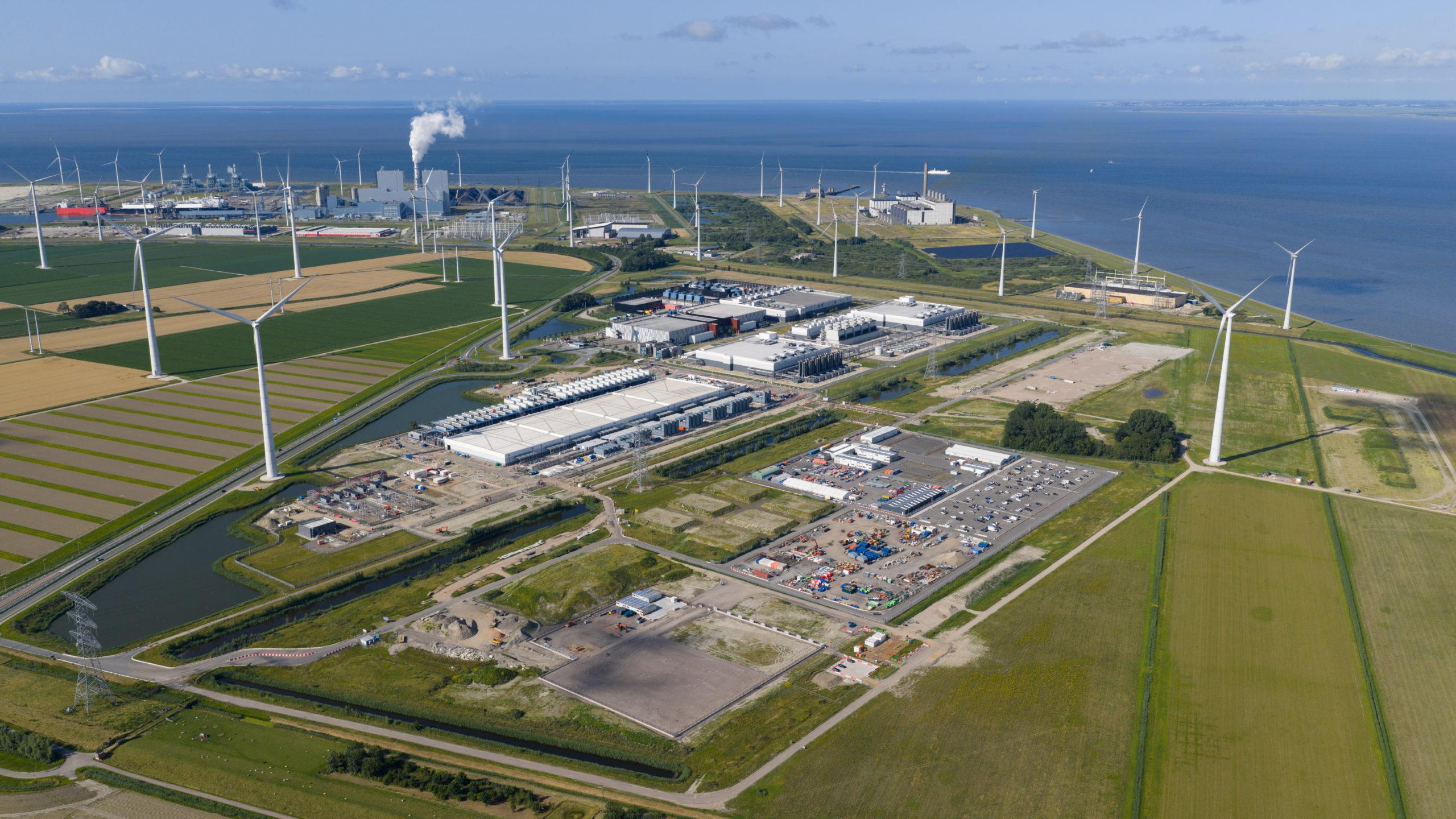
In the demanding world of data centers, where uptime and efficiency are of utmost importance, every aspect of the cooling system has to function perfectly. Heat exchangers and air coolers are critical components in managing the high heat load generated by server racks. Ensuring the integrity of these components, especially in mechanical joints, requires strong attention to detail. One process that is emerging as a trend is the precision finishing of the tube sheet hole ID.
Precision Finishing Methods
Limits to Traditional Finishing
For decades, reaming and honing have been common practice for finishing tube sheet holes. The honing process involves using a sanding stone in a medium that abrasively scratches and wears away the material to produce the desired finer finish. While effective, the process is also inefficient and laborious. The honing process can be time-consuming, requiring a lot of effort to produce the required finish, especially if done manually. This process is also very messy. A lot of material is produced that is scattered all over the workpiece, requiring a lot of cleaning to ensure that no material is left behind.
Why ID Burnishing is a Superior Alternative
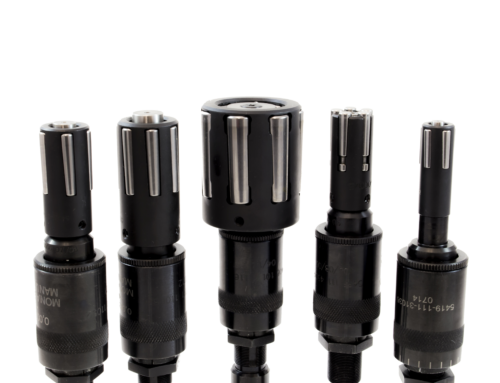
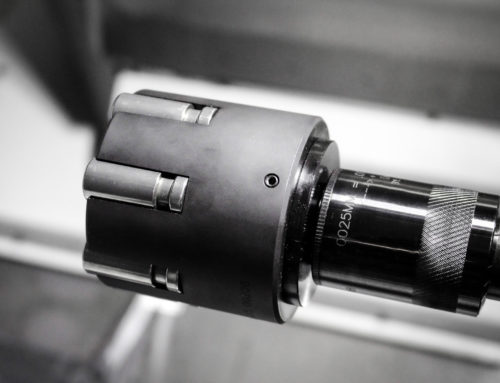
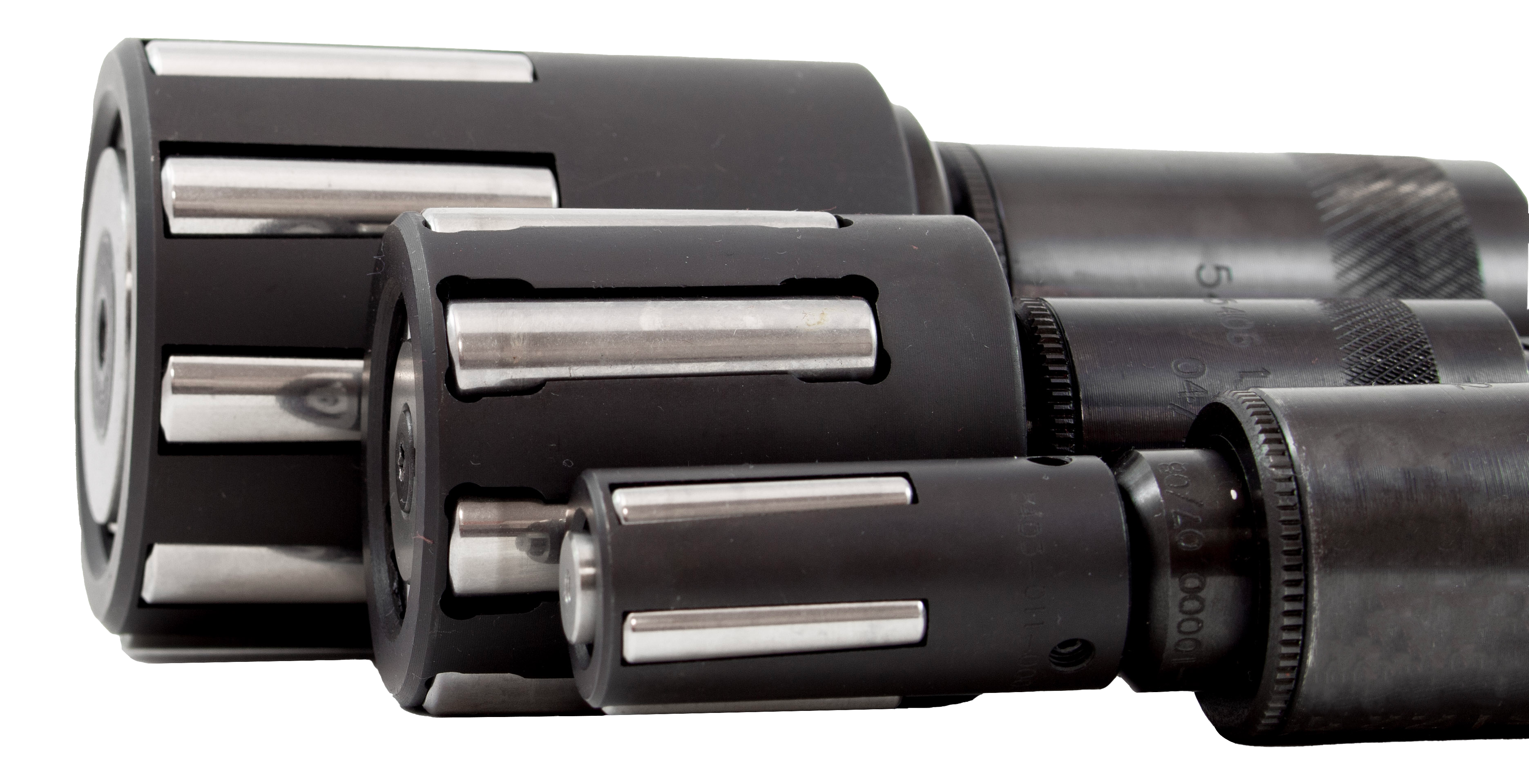
An effective alternative to honing is the use of a burnishing tool for precision finishing. ID burnishing operates very differently. Instead of removing material, it uses pressure to displace and compress the material’s surface layer. This results in a much nicer finish but, more importantly, delivers mechanical advantages.
One of the most significant benefits is the increase in surface hardness of the material. This surface densification dramatically improves the component’s wear resistance, providing a tougher hole ID. Furthermore, ID burnishing is highly precise, offering an added advantage of holding a tight tolerance. This precise process means there is virtually no risk of exceeding the specified tube sheet hole size, which is an important factor in maintaining a high-integrity mechanical joint.
Preventing Corrosion and Enhancing Joint Integrity in Data Centers
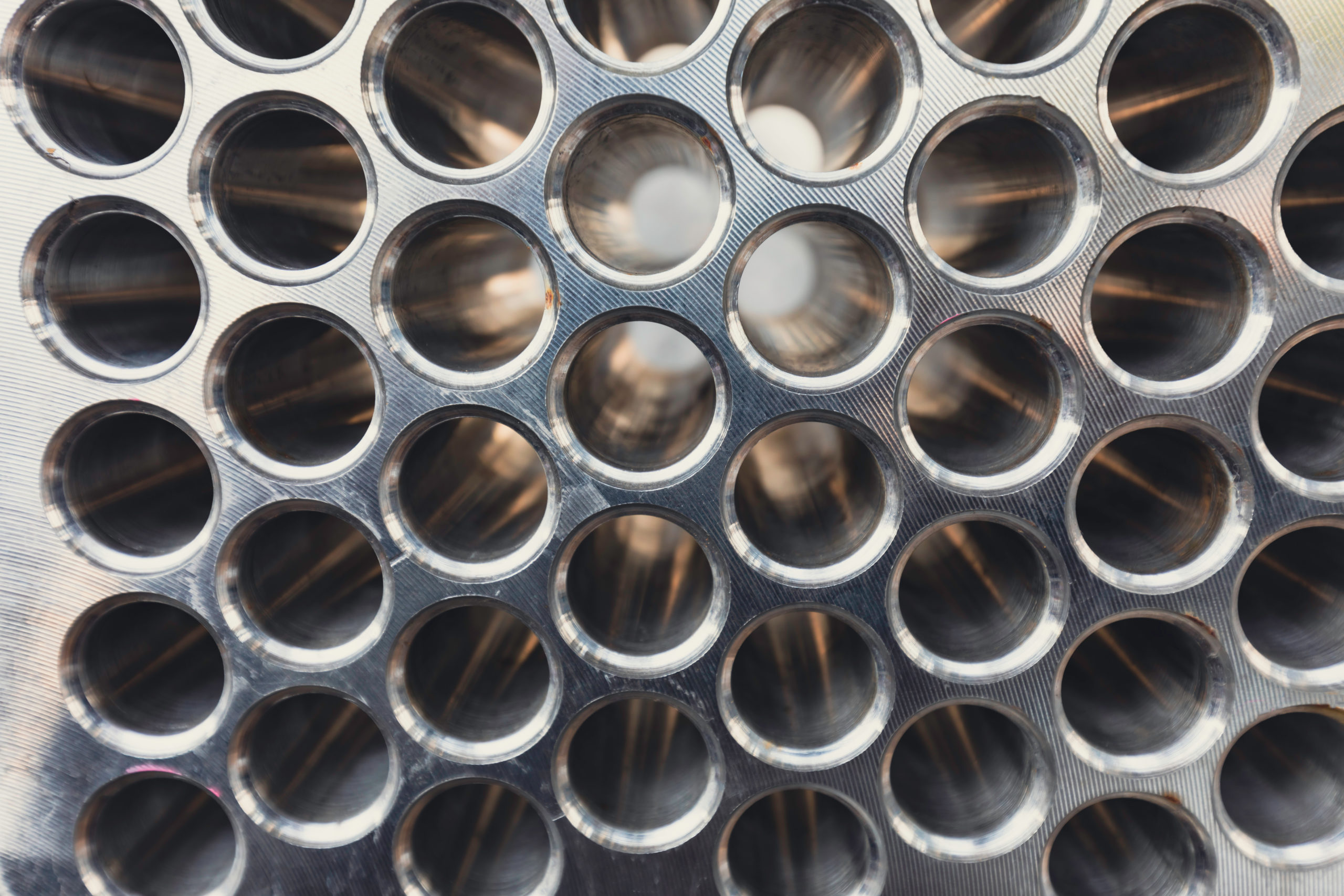
The finishing of tube sheet hole IDs is ideal for components operating in corrosive environments, where the primary goal is not just aesthetic finish, but the prevention of premature wear and corrosion. The densification achieved through burnishing is believed to play a crucial role in maintaining consistent wall reduction during the tube expansion process, which, in turn, helps to reduce the likelihood of over-expansion—a common cause of joint failure.
Data centers have increasingly mandated specific finishing requirements for their cooling equipment. This is partly due to the need to combat corrosion in cooling systems, which are often wet and chemically treated. Additionally, the industry’s shift toward high-performance materials has led to the adoption of burnishing. It has proven significantly easier to achieve the required finish on exotic materials with a burnishing tool than with a traditional reamer, which can struggle due to the specific metal properties.
Conclusion
Many new, high-efficiency exchangers are requiring finer tube sheet hole finishes and a higher surface hardness to ensure longevity and corrosion resistance. ID burnishing provides a more durable, precise, and hardened surface, extending the life of the critical mechanical joint between the tube and the tube sheet. This process can significantly lower the risk of premature failure in critical applications like data centers. The use of ID burnishing for precision finishing is a necessary step in the evolution of manufacturing to satisfy the extreme requirements of today’s computing infrastructure.