Stecker Machine Co. Machines 12 Lands Simultaneously With Elliott’s Internal Recessing Unit
Quick Summary
The Challenge
- New program for Stecker that included a unique internal groove feature with demanding concentricity requirements.
- Print specifications called for a concentric internal groove inside the bore, requiring a solution capable of consistently meeting tight quality standards.
- While Stecker had extensive experience machining precision transmission and powertrain components, this specific feature required evaluation of the most robust and repeatable manufacturing approach.
The Solution
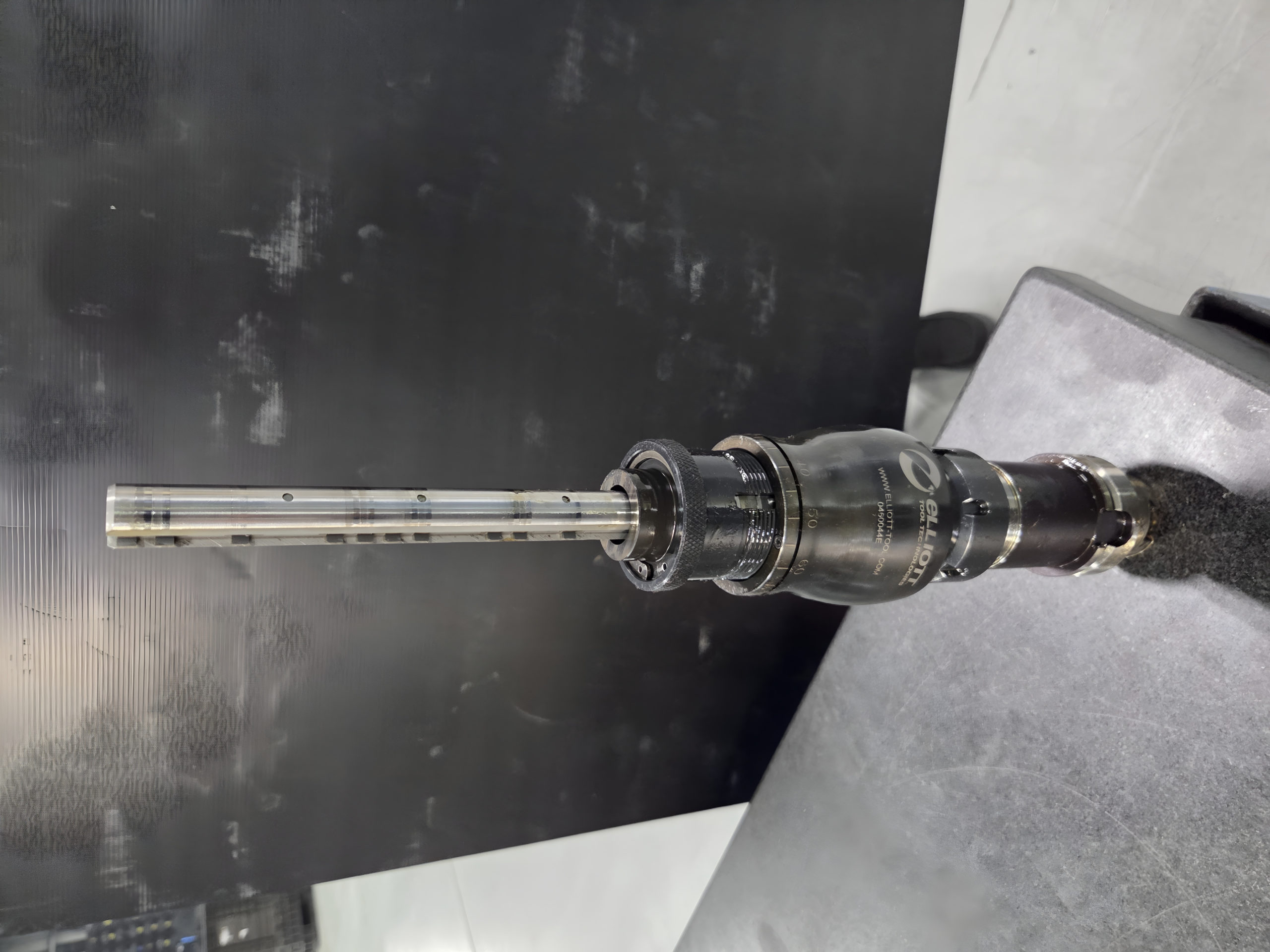
- Elliott’s Internal Recessing Unit (IRU) uses a piloted design to guide the cutter from inside the bore, improving stability and control over groove location, diameter, and finish.
- Stecker turned to Elliott for its recognized expertise with demanding print specifications, giving the team confidence the IRU was the right tool for the application.
- By combining Stecker’s machining expertise and process development capabilities with Elliott’s specialized tooling technology, the team established a reliable, production-ready solution that met all print requirements.
The Results
- Machines all 12 lands simultaneously, providing an efficient and productive process.
- Thousands of parts produced using the original recommended parameters, with no adjustments since startup.
- Tool life averaging approximately 5,000 pieces per insert.
The Challenge
Stecker Machine Co is a one-stop shop for complex CNC machined castings. Located in Manitowoc, WI, they partner with foundries and suppliers for specialized machining jobs. After taking on a brand-new program, Stecker’s team realized they would need some assistance procuring a specialized tool.
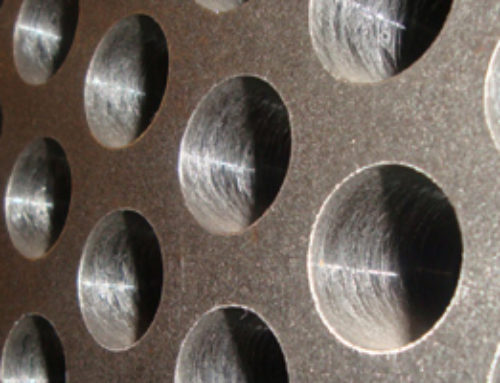
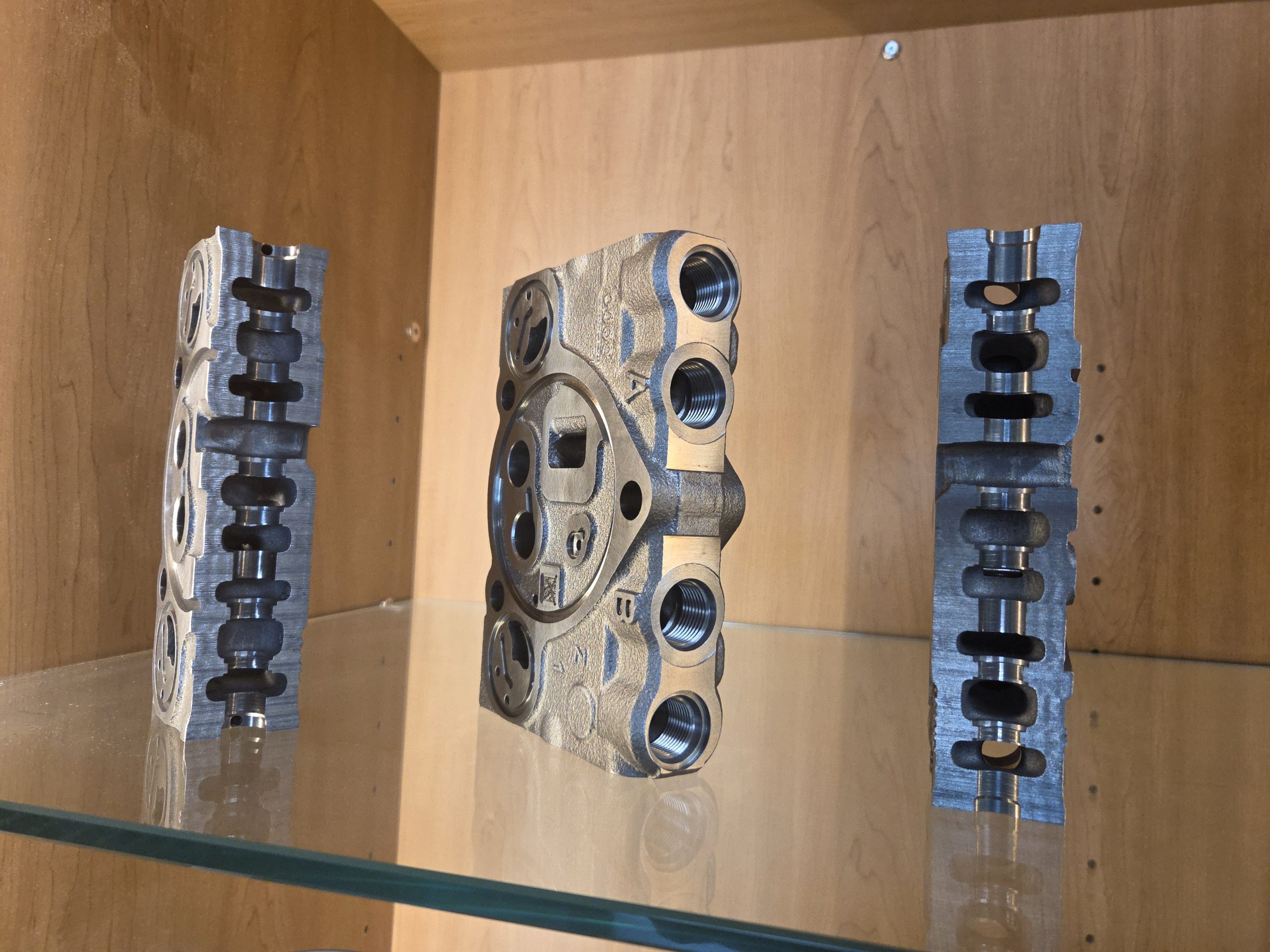
The application involved machining spool bore valves for hydraulic use, where holding the land location, groove diameter, and surface finish inside the bore in a repeatable way was the central challenge — not simply cutting the internal groove itself. A conventional single-point tool can struggle in this type of application. Because the tool must reach inside the bore, it often runs at a higher length-to-diameter ratio, making it more prone to deflection, chatter, and inconsistent cutting pressure. Because of the customer’s print specifications, there was no practical alternative manufacturing method available, and the process required a highly specialized solution capable of producing the required features accurately and consistently.
The Solution
Elliott’s Internal Recessing Unit (IRU) addresses these risks with a piloted design that supports and guides the cutter from within the bore itself. This gives the tool greater stability at the cut — reducing the deflection and chatter that drive out-of-position grooves and inconsistent finish — while keeping the recess concentric to the bore and holding location, diameter, and finish to the required tolerances. The value of the IRU was not simply that it could cut the internal recess, but that it could do so in the correct location, at the required diameter, and with the required finish, while reducing the instability that comes with a long-reach single-point approach.
Stecker turned to Elliott because of the company’s strong reputation for manufacturing IRUs and its recognized expertise in producing complex features to demanding print specifications. Because this was a new program and the IRU was the only viable manufacturing solution, no alternative tooling was evaluated. Elliott’s technical expertise and support gave Stecker confidence that the IRU was the best tool for the application.
“We have nothing but respect for Kyle and the Elliott team. He answered every question we had with precision and in a timely manner. The tool performed exactly as intended, and we have successfully produced thousands of parts using the original recommended parameters.”
The Results
The Elliott IRU delivered exactly what was needed for the application. By guiding the cutter from inside the bore, the IRU’s piloted design kept the groove concentric to the bore, holding the location, diameter, and finish to the tolerances the application required. The tool also machines all 12 lands simultaneously, providing an efficient and productive manufacturing process.
The results have held up in production. The tool has run reliably from the start, supporting the production of thousands of parts using the original recommended cutting parameters, with no adjustments required since startup. Tool life has also been excellent, averaging approximately 5,000 pieces per insert before replacement is required.