Refinery Shutdowns
A Guide to Preventative and Winter Maintenance During Refinery Shutdowns
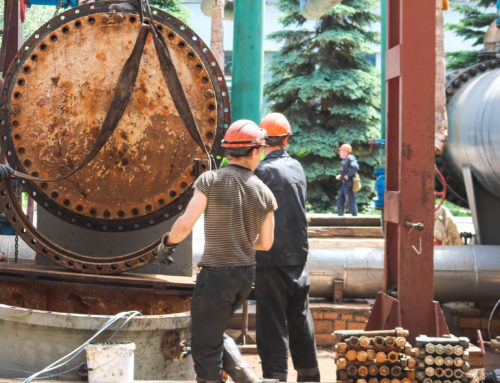
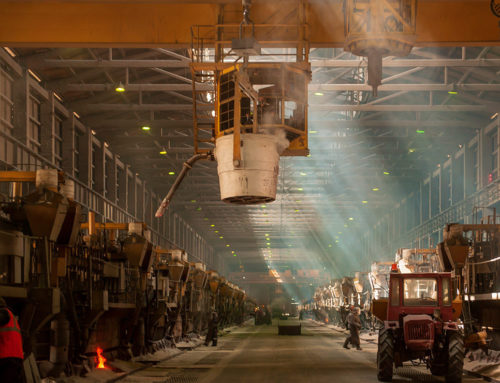
Refinery shutdowns occur when a temporary halt of a refinery unit or facility stops production for major maintenance, inspections, repairs, and more. As the seasons change, many industrial facilities gear up for essential winter shutdowns. Refinery shutdowns can span from a week to several months, depending on the plant’s size and complexity, and are crucial for ensuring the reliability, efficiency, and safety of operations for the coming year. A well-executed shutdown plan is key to minimizing downtime and preventing catastrophic failures.
A primary focus during these periods is the preventative maintenance (PM) of heat transfer equipment, most notably heat exchangers and air coolers. Systematic cleaning, inspection, and testing are vital steps that dramatically reduce the risk of unexpected outages.
Strategic Planning and Reliability Throughout Refinery Shutdowns
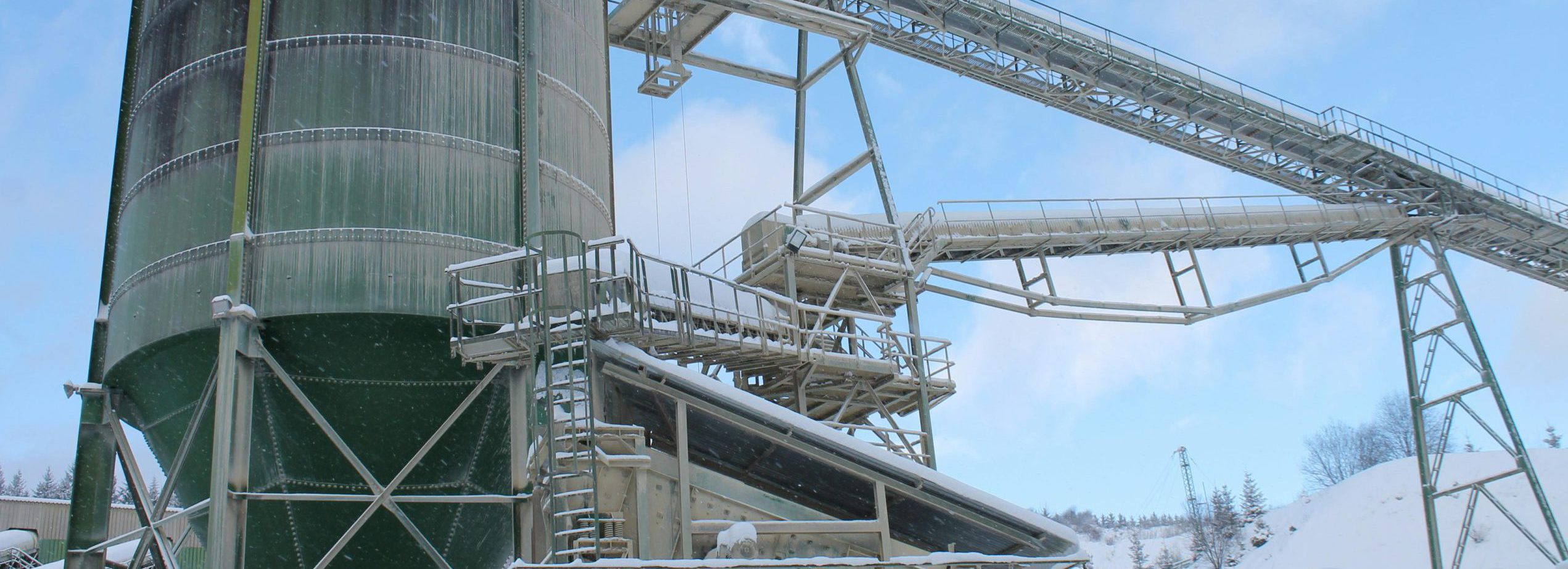
The success of all refinery shutdowns hinges on planning and a commitment to reliability engineering.
- Reliability Planning and Critical Path: Before the shutdown begins, plant management must conduct comprehensive reliability planning. This involves identifying the critical path—the sequence of tasks that directly impact the overall shutdown duration—and, more importantly, pinpointing the critical vessels and equipment. A failure in these critical assets has the most significant impact on plant production.
- Parts and Logistics: Ensure that essential spare parts for all vessels in the critical path are on hand and readily available. Procurement should collaborate closely with maintenance to anticipate needs, place orders well in advance, and manage logistics to avoid costly delays once the equipment is opened for inspection.
- Resource Management: Coordinate staffing, contractor schedules, and specialized equipment rentals (like cleaning lances, testing gear, etc.) to optimize the timeline.
Heat Exchanger and Air Cooler PM Checklist
Preventative maintenance for heat exchangers and air coolers typically involves cleaning, visual inspection, non-destructive testing, and final checks.
Air Coolers: Inspection and Cleaning
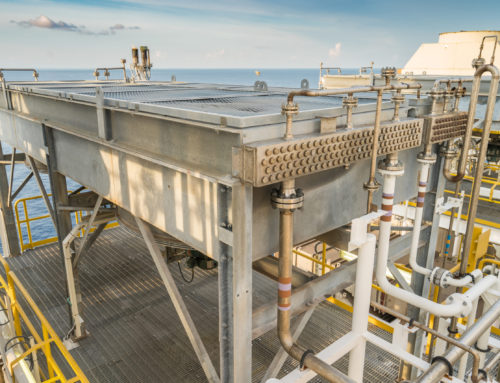
1. Cleaning: The exterior fins of air coolers are often exposed to environmental elements. A thorough cleaning to remove accumulated dirt, dust, and oily residue is essential for maintaining optimal heat transfer efficiency.
2. Mechanical Inspection: The internal workings must be inspected. This includes checking motors and fans to ensure they are structurally sound, balanced, and operating correctly. Vibration testing should be performed on the fans, motors, and the entire vessel to check for signs of damage or misalignment, which can lead to premature failure.
3. Structural Integrity: Inspect and tighten all fasteners. Ensure the integrity of the headers, channels, and header plugs. Any components that are loose, corroded, or damaged must be replaced to maintain pressure boundary integrity.
Freeze Protection: A Critical Step
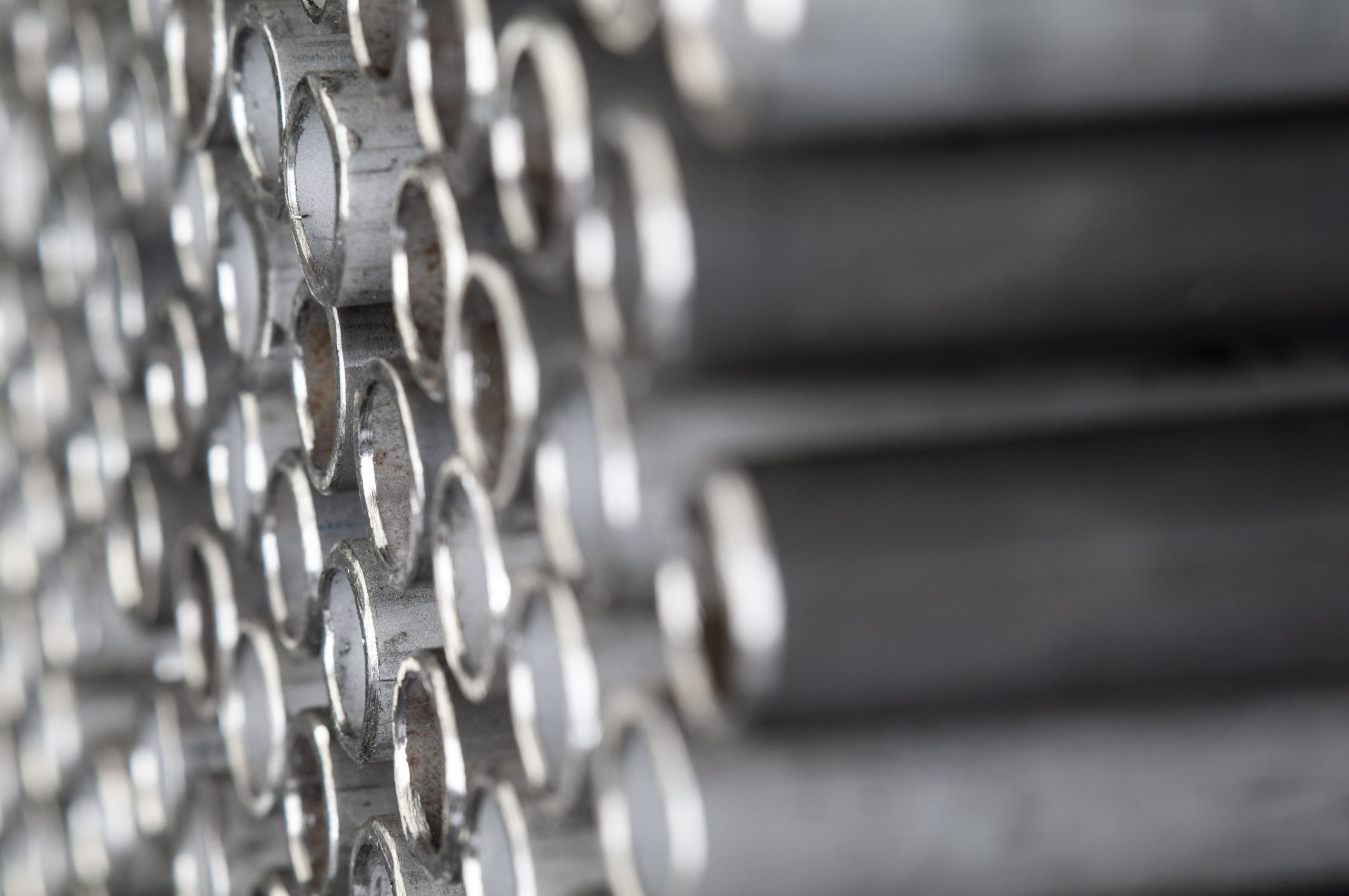
During refinery shutdowns, winter temperatures pose a major threat; freeze protection is mandatory for all water-bearing air coolers and related lines:
- Draining and Punching: All water must be thoroughly drained and “punched” (verified as empty, often by blowing with air or nitrogen) to prevent freezing and subsequent rupture of tubes and lines.
- Line Cleanliness: Ensure all supply lines are fully cleaned and flushed.
Shell and Tube Bundles: Inspection, Plugging, and Testing
Shell and Tube heat exchangers are the workhorses of many facilities and require rigorous inspection:
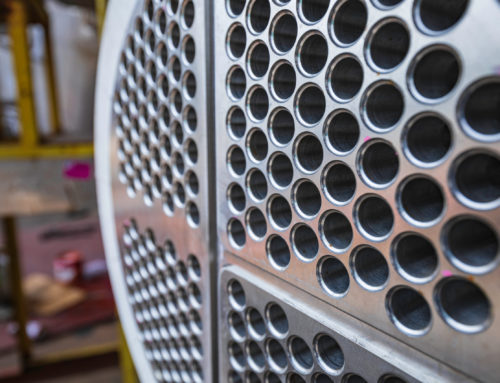
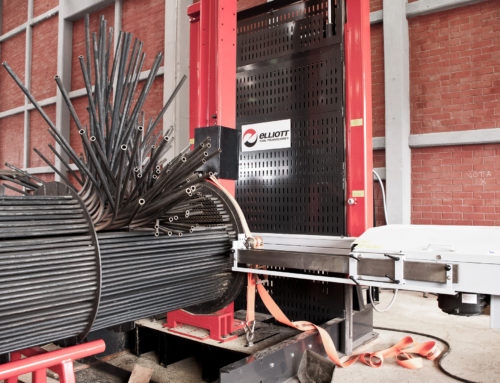
- Internal Inspection: Once the bundle is pulled, inspect the tubes for signs of corrosion, erosion, or leaks. Check the channel or header for pitting, cracks, or damage. Inspect the tube alignment; twisted or bent tubes indicate mechanical stress or potential flow issues.
- Cleaning: Tubes may suffer from internal debris buildup. Performance testing the unit before the shutdown provides an efficiency evaluation. If the unit fails to meet the correct output levels, it often points to fouling (debris) in the tubes. Thorough mechanical or chemical cleaning must be performed to restore the thermal efficiency.
- Non-Destructive Testing (NDT): The unit should undergo eddy current testing (ECT) or other appropriate NDT methods. ECT is used to detect and size defects like cracks and thinning in the tubes.
- Plugging: If testing reveals a leaky or severely damaged tube, the tube must be plugged at both ends to isolate it from the process stream, preventing leaks and further damage. While plugging reduces the overall heat transfer area, it’s a vital, cost-effective repair that allows the unit to return to service safely.
Performance Verification
The final phase of PM involves performance verification. After all cleaning and repairs are complete, the unit should be performance tested again if possible, or at least confirmed upon restart, to ensure it is meeting the required thermal output levels. This closure step provides quantitative data on the success of the shutdown maintenance and sets a benchmark for future operational monitoring.
By treating the winter refinery shutdown not just as a necessary chore but as a strategic investment in asset integrity and operational efficiency, managers can dramatically improve plant reliability, minimize unforeseen costs, and ensure a smooth start-up when production resumes.
Anticipating Refinery Shutdowns?
Contact the team at Elliott Tool Technology while you are planning your next shutdown to get a custom quote for all of your tooling needs. Our team would be happy to assist you throughout the planning process!