Burnishing Process
Inducing Compressive Stress for Enhanced Durability
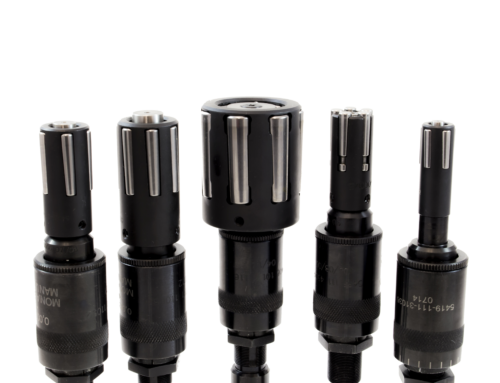
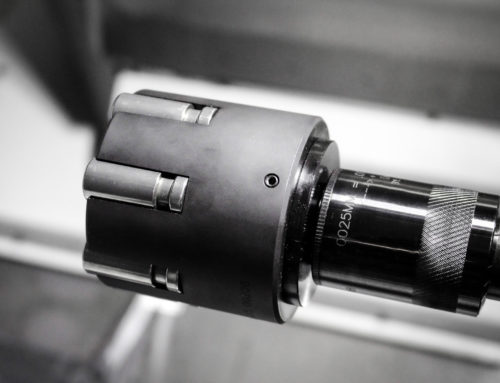
The burnishing process is a precision cold working method that significantly improves the surface integrity of a material by imparting compressive residual stress. Unlike grinding or reaming, burnishing uses pressure from a hardened roller or ball to plastically deform the surface layer without removing material. Burnishing is a critical dual-function process. It creates a superior surface finish while simultaneously strengthening the material to resist wear and fatigue.
How the Burnishing Process Creates Compressive Residual Stress
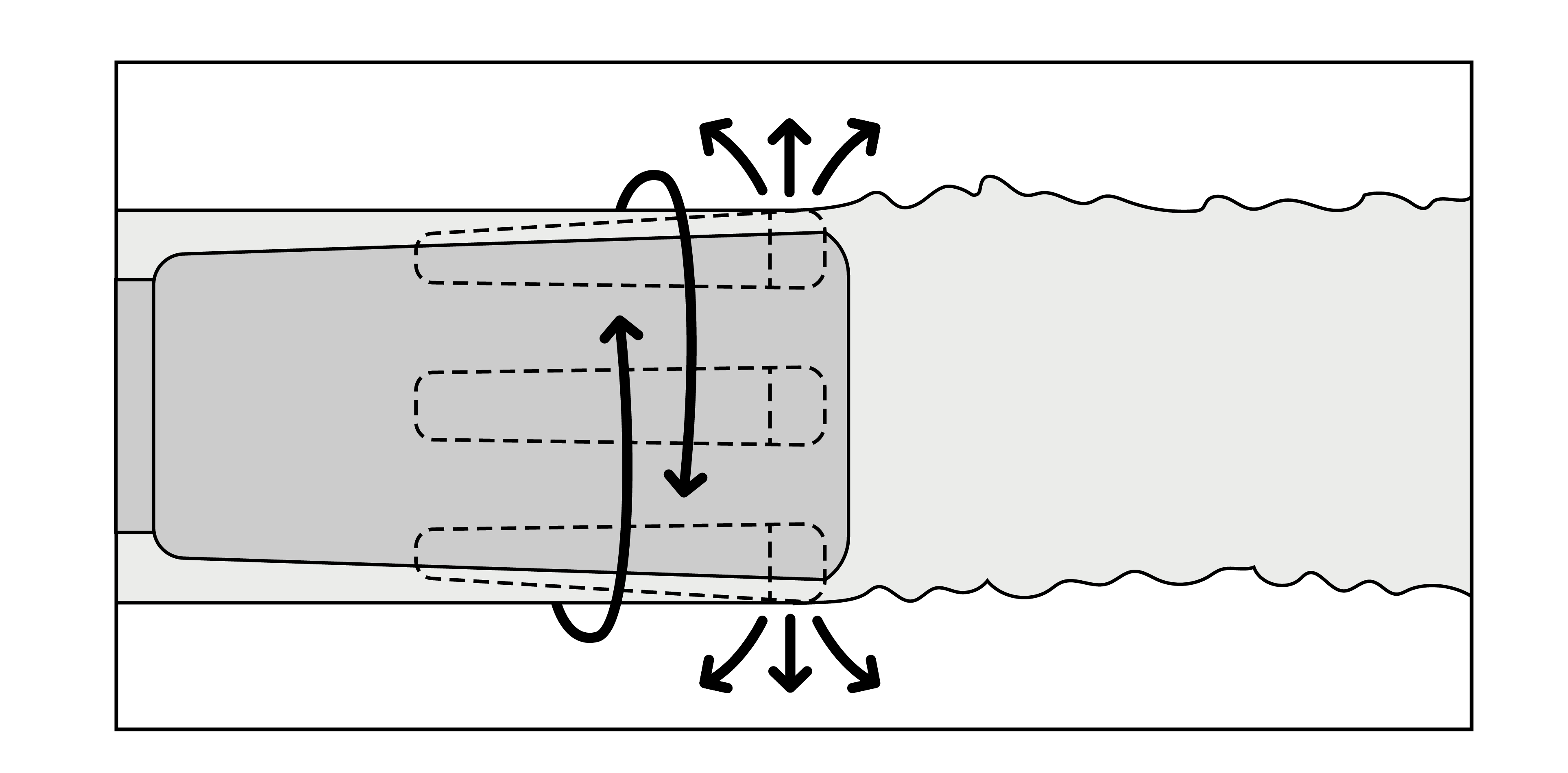
During the burnishing process, localized pressure that exceeds the material’s yield strength forces the microscopic peaks on the surface to flow and fill the valleys. When the burnishing tool passes, the elastically-deformed material underneath the surface attempts to recover its original shape, but the plastically-deformed surface layer is now permanently compressed.
The result is a surface layer that is denser, harder (due to work hardening), and in a state of compression. This densification and increased surface hardness mean the component won’t wear as quickly when subjected to friction or abrasive forces. The requirement for a specific surface finish and compressive stress is typically called out on components precisely. This is due to the combination drastically improving the part’s operational life.
When to Use the Burnishing Process
As a general rule, a manufacturer should choose to burnish an area that is taking a load during operation, as that part or area is going to be subject to more wear and at greater risk of failure due to friction and fatigue.
The most significant benefit of the burnishing-induced compressive stress is its ability to counteract tensile stresses that are applied during operation. Tensile stresses are the primary drivers of crack initiation and propagation. By having a pre-existing layer of compressive stress, the material requires a much greater external tensile load to even reach a state of neutral stress, dramatically increasing the component’s fatigue life and wear resistance.
Common applications include:
- Sealing Surfaces: Burnishing a cylinder flange or bore ID creates a smooth, hardened surface that provides a better seal and reduces wear from moving parts.
- High-Fatigue Components: Shafts, fillets, and grooves on parts subjected to high cyclic loading, such as crankshafts or landing gear components.
Burnishing vs. Pre-Stressing Material
While the terms are related, it’s important to distinguish between burnishing as a process that induces compressive stress and the broader concept of pre-stressing material.
Burnishing for Compressive Stress
Burnishing for compressive stress means to achieve a specific residual stress in the surface layer.
-
- Typically used when surface-level durability (wear, fatigue, corrosion) is the main concern, especially on surfaces subjected to friction or high cyclic load concentrations.
Pre-Stressing
Pre-Stressing is the application of an intentional internal or external load to a material or assembly to counteract expected service loads.
-
- Typically done when bulk strength, dimensional stability, or preventing catastrophic failure of the structure is the goal (ie. pre-tensioned bolts, pre-stressed concrete.
Burnishing is often described as a method to pre-stress the material at the surface. The key distinction is that burnishing is a manufacturing process. This process creates a permanent, beneficial residual stress layer (a form of work-hardening).
Practical Example: Burnishing in High-Performance Engines
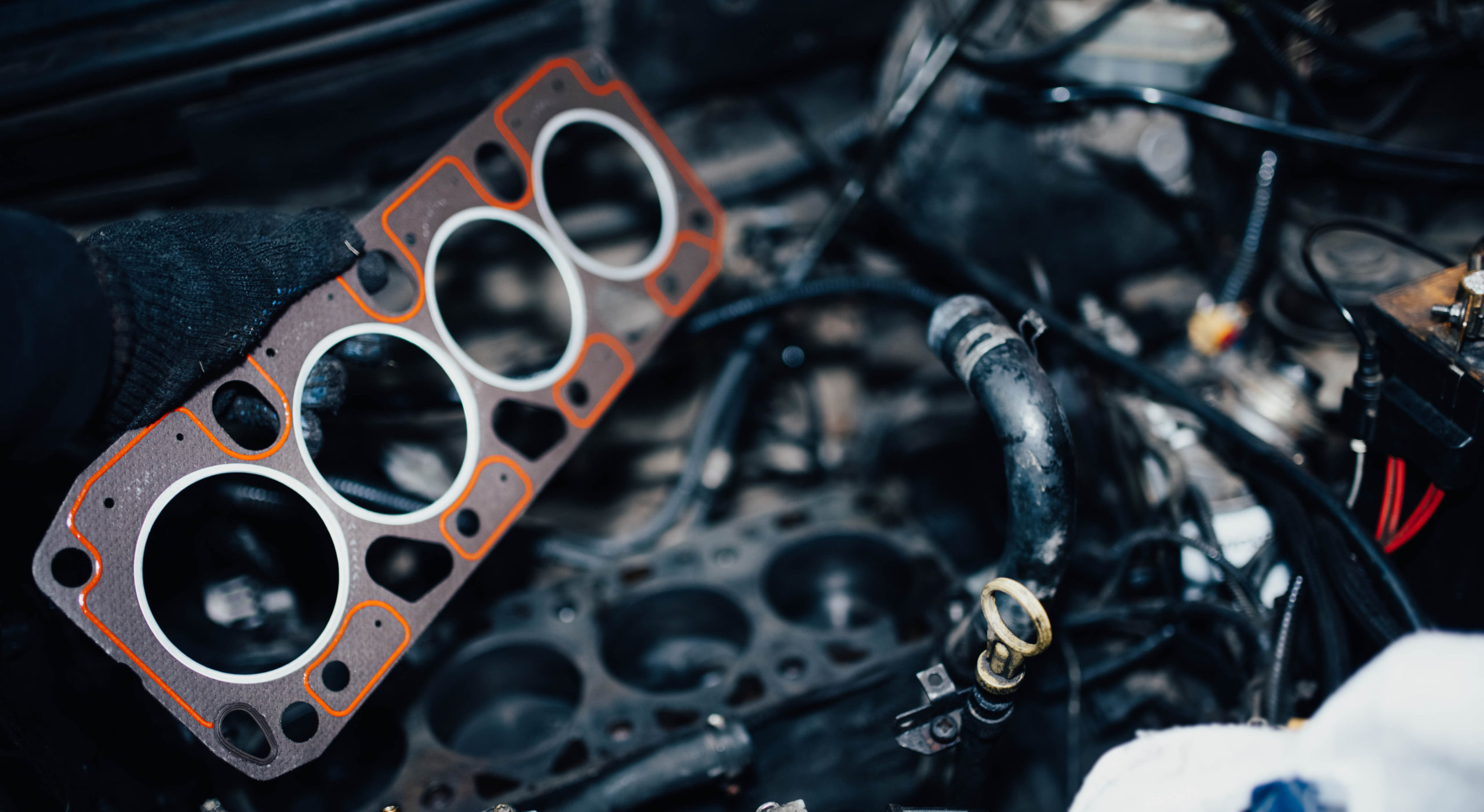
A practical example of using burnishing to achieve a prestressing effect is the burnishing of a cylinder flange in high-performance engines. Commonly done in diesel motors. Burnishing the critical radius or contact area of the flange introduces deep compressive stress. The material is microscopically flexed. This creates a compressive barrier that resists the tensile forces induced when the engine is running. This counter-tension mechanism keeps the flange from breaking or developing fatigue cracks. Burnishing allows it to withstand the repeated, high-pressure cycles of operation.
Conclusion
The burnishing process is more than a surface finishing technique. By combining cold working with surface refinement, it creates a hardened, compressively stressed outer layer that resists wear and fatigue.
In demanding environments, incorporating burnishing into the manufacturing strategy is a proactive approach. It allows teams to extend durability and prevent premature failure.