Sustainable manufacturing:
Reducing scrap and energy use with burnishing
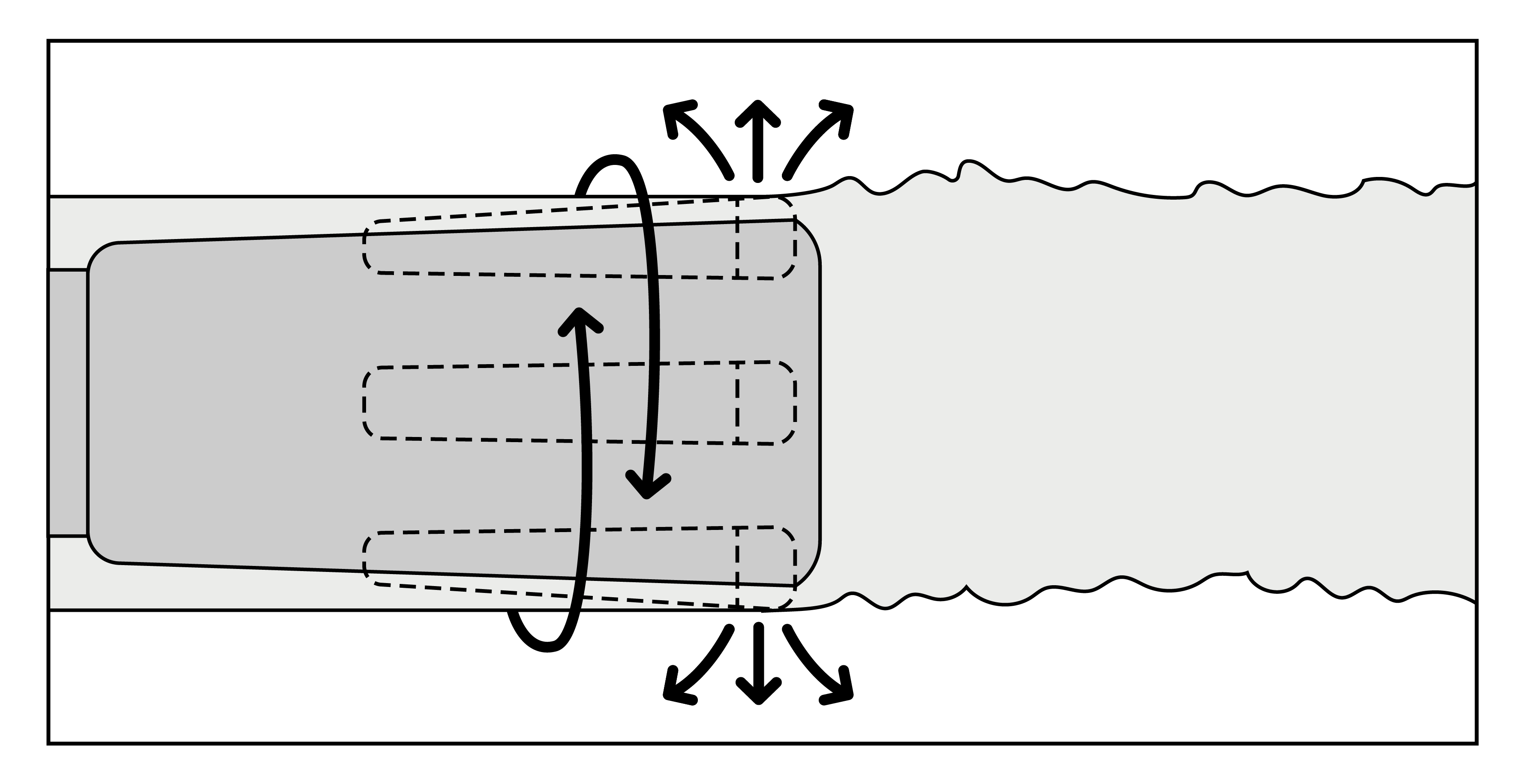
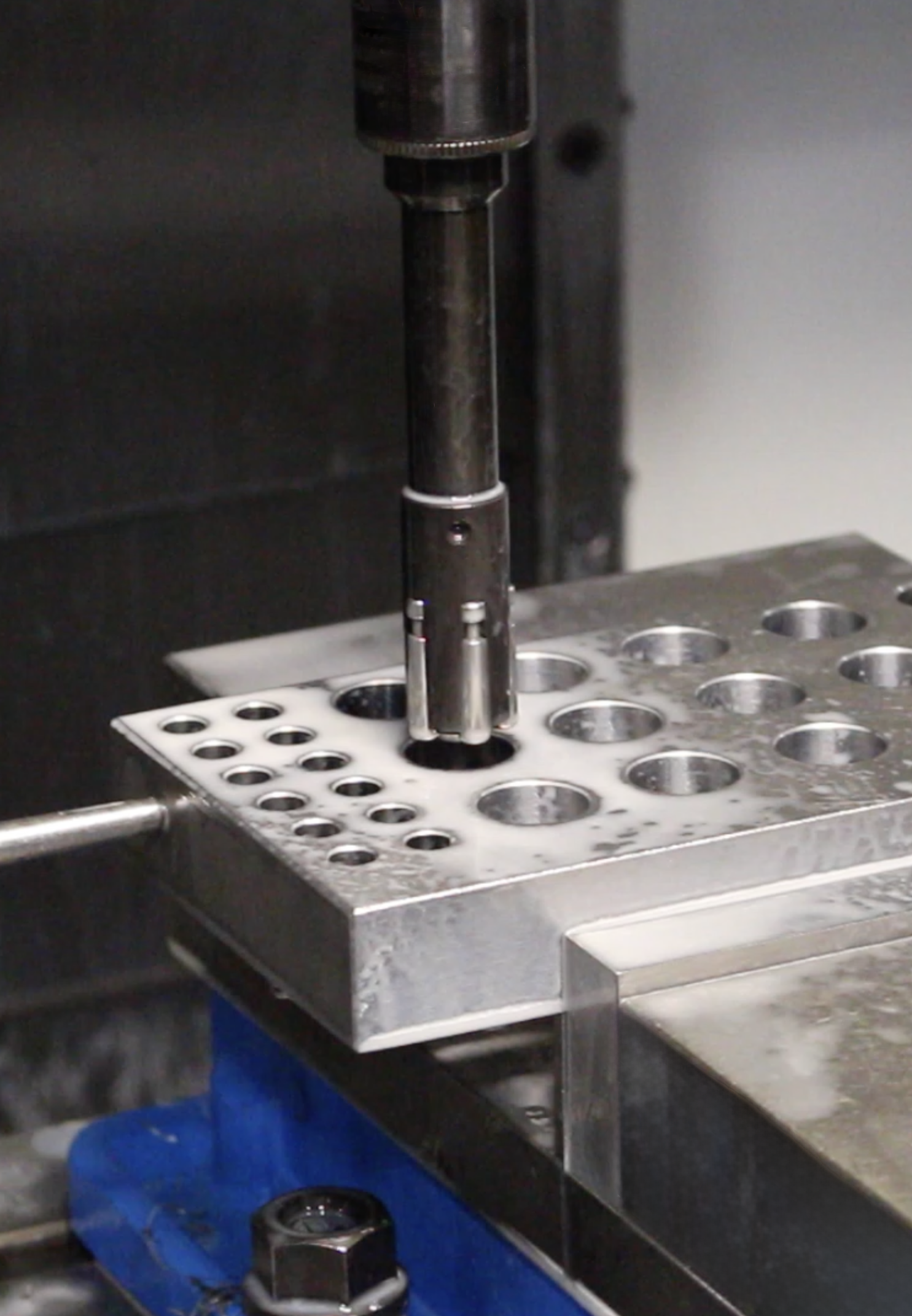
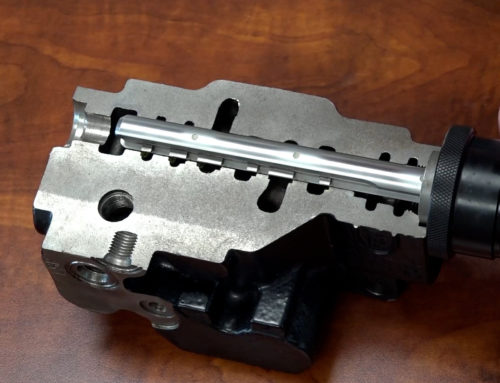
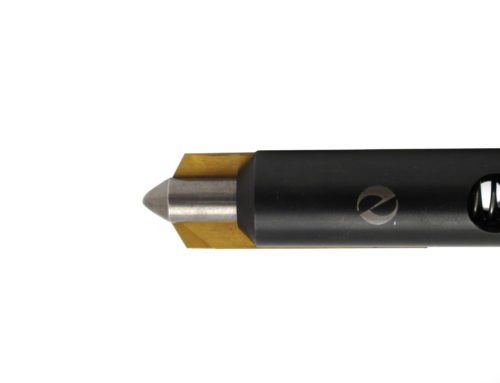
Burnishing stands out as a highly effective finishing method offering significant advantages over traditional abrasive techniques like grinding, honing, and polishing, particularly when focusing on reducing scrap and energy use. This cold-working process utilizes mechanical pressure to displace and smooth a surface, leading to a more efficient, consistent, and sustainable manufacturing operation.
Eliminating Waste and Rework
One of the most compelling benefits of burnishing is its ability to eliminate secondary finishing processes. By replacing grinding, honing, or polishing, burnishing substantially reduces the number of steps a part must undergo. This is a critical factor in scrap reduction, as fewer process steps mean fewer chances to scrap parts from over-processing or handling damage between stages. The ability to integrate burnishing into existing processes results in a lower scrap rate, necessary rework, and energy consumption by reducing the number of processes required to produce a finished product.
The process inherently improves dimensional consistency by running in conjunction with cutting tools in a single setup. Unlike alternate methods, burnishing relies on controlled plastic deformation, meaning surface finishes and size control are highly repeatable and require no material removal. This high degree of control drastically cuts down on rejected parts. Furthermore, burnishing can correct minor imperfections in slightly undersized or rough surfaces that would otherwise be immediately rejected or scrapped. By salvaging parts with minor surface defects, manufacturers save material and the energy already invested in their production.
The predictability of the process also plays a role in minimizing scrap. Since it’s a mechanically driven, programmable operation, there is less operator variability compared to manual or semi-manual finishing steps. This consistency ensures fewer parts are scrapped due to inconsistency, making burnishing a highly predictable process that stabilizes output quality. Consequently, the need for rework is minimized due to fewer rejected or out-of-tolerance parts, which means less material and energy wasted on post-processing & reprocessing.
Energy Efficiency and Tool Longevity
Burnishing is a champion of energy efficiency because it is a cold working process. It utilizes mechanical pressure, not heat, eliminating the need for energy-intensive thermal treatments or the high power required for abrasive grinding operations. This fundamental difference in method translates into immediate energy savings on the shop floor.
The method also contributes to reduced energy consumption through its operational speed and lower force requirements. Burnishing enables shorter cycle times because parts can often be completed in a single pass, significantly reducing spindle time and overall machine load. This rapid processing, combined with the smooth rolling action of the tool, means that less cutting force and less energy is required per part compared to the frictional resistance encountered in grinding or honing. The low force requirements also have the added benefit of lowering tool wear, further reducing replacement costs and material consumption.
Finally, the consistency and gentle nature of the process extends tool life and machine uptime. The reduced forces and predictable finished quality mean less stress on both the finishing tools and the machine components. This greater machine uptime and longevity contribute to a more sustainable and cost-effective manufacturing cycle.
Contamination and Part Integrity
A significant quality advantage of burnishing is that it doesn’t utilize an abrasive media or compounds. Traditional methods often rely on grit, stones, or slurries. These abrasive components introduce a risk of contamination or inclusion into the part’s surface structure, which can lead to premature part failure in critical applications. By eliminating these media, burnishing provides a cleaner finish, enhancing the part’s structural integrity and long-term performance.
In conclusion, adopting burnishing for surface finishing is a strategic move towards lean and green manufacturing. By unifying multiple steps, improving dimensional control without material removal, and operating as a low-energy process, burnishing offers a clear path to significantly reduce scrap, energy use, and overall manufacturing costs while simultaneously enhancing product quality and sustainability.